lamprocapnos - dicentra
Bleeding Heart
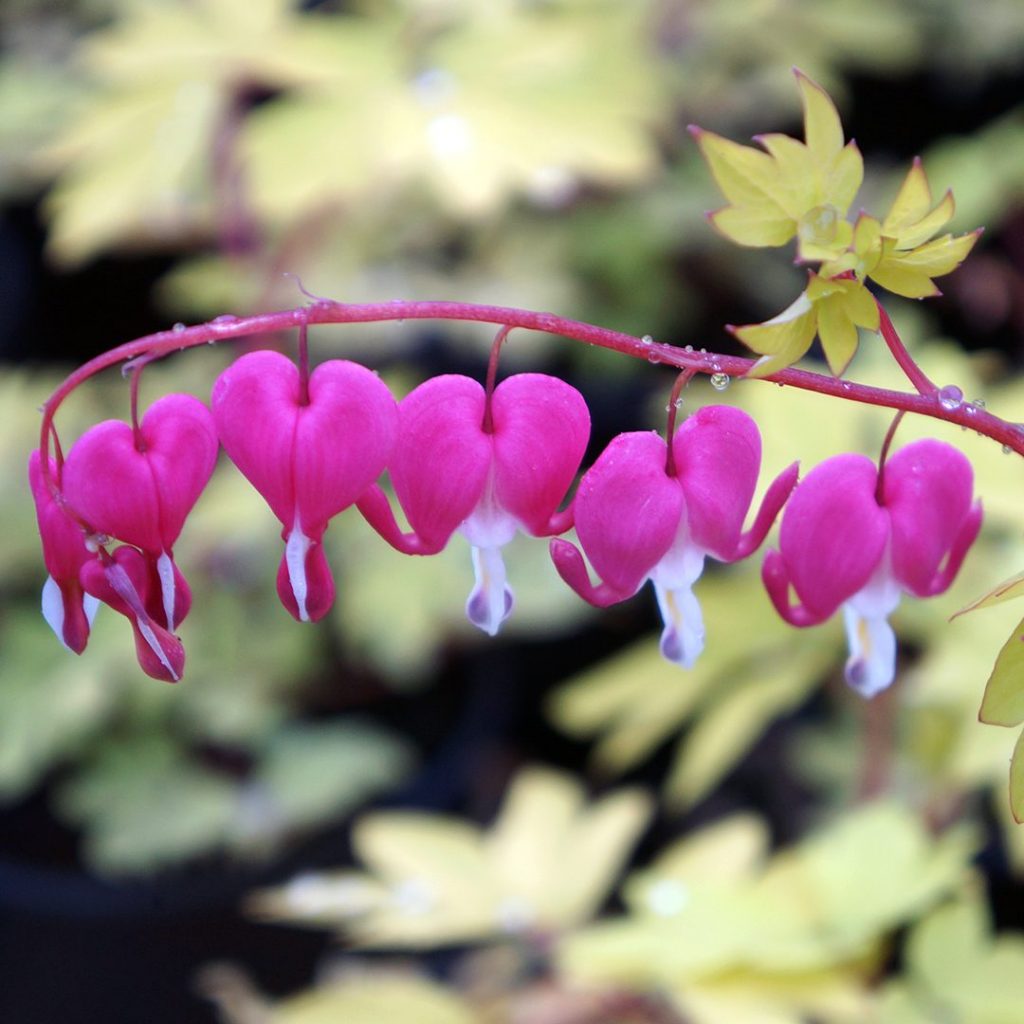
Bleeding Heart (Lamprocapnos spectabilis): A Timeless Woodland Classic
Lamprocapnos spectabilis, universally known as the bleeding heart, is the most nostalgic and romantic spring perennial we offer at our Mundelein nursery. For homeowners in Waukegan or Wheeling looking to add a touch of Victorian elegance and soft, arching texture to their shaded borders, this plant is an essential choice. Its iconic, heart-shaped flowers and delicate, fern-like foliage make it a premier performer in any North Suburb garden where early-season drama is desired.
Performance in Northern Illinois Soil
This perennial is remarkably hardy in our Zone 5b climate. While many ornamental flowers struggle with the heavy, cool clay found throughout the region, a well-sited bleeding heart thrives in it. It is particularly successful in the established, wooded landscapes of Wheeling, where the soil remains moist and cool during the spring thaw. These plants have a fleshy, brittle root system that allows them to store energy for their rapid spring growth, provided they are not planted in areas of standing water that could lead to rot in Waukegan.
Size, Spacing, and Growth Habit
Planning for the expansive, arching habit of this plant is essential for a balanced shade garden:
-
Average Height: At maturity, the plant typically reaches 2 to 3 feet tall.
-
Average Width: The arching stems create a wide, mounded footprint of 2 to 3 feet wide.
-
Spacing Requirements: Because the plant grows rapidly in the spring and then goes dormant, space them roughly 3 feet apart. This allows neighboring plants to fill the gap later in the season.
Why this Heirloom is a Practical Local Choice
In the North Suburbs, this group of perennials serves as a reliable "filler" and "thriller" for the spring garden, solving several specific challenges:
-
Unmatched Floral Form: The unique, dangling blossoms provide a vertical and arching element that few other shade plants can replicate.
-
Excellent Pollinator Support: The flowers are a favorite for early-season bumblebees and hummingbirds that are searching for nectar as the garden wakes up.
-
Deer and Rabbit Resistance: Despite its delicate appearance, the foliage and stems are generally ignored by the wildlife that frequent local properties and forest preserves.
-
Rapid Spring Impact: Because it emerges early and grows quickly, it provides a lush, full appearance in the garden long before many other perennials have fully unfurled.
Planting and Maintenance Advice
To ensure your plant remains a vibrant focal point and returns with vigor each spring, follow these straightforward care steps:
-
Understand Summer Dormancy: This is the most critical factor. Like many spring ephemerals, the plant may turn yellow and disappear completely by mid-July. Do not dig in that spot, as the roots are simply resting.
-
Mark the Planting Spot: Because the plant vanishes in the summer, use a small stone or permanent marker so you don't accidentally plant something else on top of it.
-
Prioritize Soil Moisture: While it is tough, it does best with consistent watering during its growth and bloom phase. If the soil dries out completely in May, the bloom season will be cut short.
-
Minimal Fertilizer: These are light feeders. A simple top-dressing of organic compost or leaf mold in the spring is all the energy it needs to thrive.
-
Avoid Transplanting Mature Plants: Because their roots are very brittle, they do not like to be moved once they are established. Choose your location carefully for long-term success.
Reliable Companion Plants for our Area
To create a lush and layered shade garden that looks great even after the spring blooms fade, we suggest pairing these perennials with other durable varieties from The Country Bumpkin:
-
Hosta: As the spring blooms go dormant in July, the expanding leaves of Hostas will fill the empty space perfectly.
-
Ferns: The upright, airy fronds of Ostrich Ferns provide a stunning textural contrast to the soft, mounded foliage.
Frequently Asked Questions (Lake County Edition)
Is it poisonous?
While beautiful, parts of the plant can cause skin irritation or stomach upset if ingested. It is best planted in areas of the garden where pets or small children are supervised.
Why is mine turning yellow in July?
Don't worry! This is a natural part of the life cycle. In our hot Illinois summers, the plant "shuts down" to conserve energy for next year’s spring display.
Visit The Country Bumpkin Garden Center
We are located at the corner of Gilmer Rd & Hawley St in Mundelein. Stop by to see the classic pink and pure white 'Alba' varieties of bleeding heart we carry and find the right fit for your shaded landscape. We are proud to be a local resource for gardeners across Mundelein, Wheeling, and the surrounding communities.
Call (847) 566-2176 or Send a Message to check current availability.
Varieties: Gold Heart, Valentine.
See: Perennials
Category: Shade Perennials - Shade Plants - Shady Plants - Bleeding Heart near me - Lamprocapnos