dahlia
Garden Dahlia
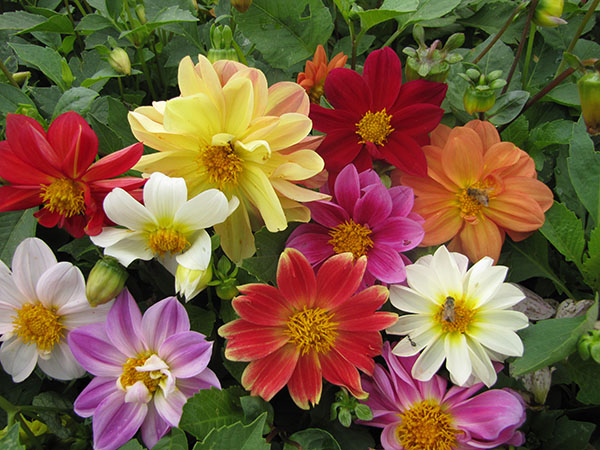
Dahlia: The Radiant Crown Jewel of the Summer Garden
Dahlia (Dahlia spp.), a member of the Asteraceae family, is a truly spectacular selection for high-impact color available at our Mundelein nursery. Originally native to the high plains of Mexico, these plants have been bred into thousands of breathtaking varieties, ranging from tiny, perfect pompoms to massive "dinner plate" blooms that command attention. For gardeners in Libertyville looking to add a dramatic vertical accent and a magnificent floral presence to their landscape, the dahlia is a brilliant choice. Its lush, upright habit and natural ability to thrive in the warm, sunny days of Lake County make it a standout performer for any garden where bold texture and geometric beauty are the goals.
Performance in Northern Illinois Soil
This species is remarkably adaptable and fits beautifully into the premier residential gardens of our region. While they are enthusiastic "heavy feeders," dahlia plants grow with incredible vigor in the rich soils of Vernon Hills, especially when the ground is amended with organic matter to ensure excellent drainage. In Mundelein, these plants act as a dependable landscaping staple, providing a flower-filled structure that stays vibrant and eye-catching from the peak of summer all the way until the first hard frost of autumn.
Size, Spacing, and Growth Habit
Planning for the upright and bushy way this plant grows ensures it looks its best as a mid-border filler or a majestic focal point.
-
Mature Height: Depending on the variety, a dahlia can range from 12-inch dwarf types to stately garden varieties that reach a towering 4 to 5 feet tall.
-
Mature Width: Individual plants span 18 to 24 inches wide, maintaining a dense and well-branched silhouette.
-
Growth Rate: This plant is commonly known for a fast growth rate, quickly producing lush foliage in June and erupting into bloom by mid-summer.
-
Foliage Habit: The leaves are divided, tooth-edged, and a healthy deep green (or sometimes a sophisticated dark bronze), providing a sturdy backdrop for the vivid flowers.
-
Spacing Requirements: To ensure plenty of airflow and room for the roots, space individual starts 18 to 24 inches apart. This distance is commonly used to achieve a balanced and happy-looking display.
Environmental Requirements
Knowing what a dahlia likes is a simple way to ensure it keeps blooming throughout the sunny months.
-
Sun Exposure: Full sun is the primary requirement for the most flowers and the strongest stems. While it can handle very light afternoon shade in Libertyville, placing it in a bright spot is a practical step to ensure maximum bloom production.
-
Moisture Needs: Consistent moisture is a good idea. These plants prefer soil that stays evenly moist but never soggy. Providing regular water during dry weeks is a standard way to keep the large, heavy blooms from drooping.
-
Temperature Tolerance: These plants enjoy the warmth of an Illinois summer. It is a practical strategy to wait until the soil is truly warm in late May or early June before planting.
-
Soil Chemistry: This species is commonly adaptable to many soil types, provided the ground is rich in nutrients and allows for excellent drainage.
Landscape Characteristics
In our local gardens, this flowering plant provides a source of consistent interest and helpful garden support:
-
Incredible Variety: Because of their diverse shapes—including cactus, decorative, and single blooms—the dahlia offers a unique visual element for every design style.
-
Exceptional Cut Flowers: They are a pleasant choice for fresh bouquets; the more you cut the flowers, the more the plant will produce, making them a staple for the home floral arranger.
-
Pollinator Magnet: Open-centered varieties are a favorite for bees and butterflies, making them a cheerful addition to a nature-friendly garden in Vernon Hills.
-
Late-Season Stars: While other annuals might begin to fade in September, these plants often reach their peak during the cooler, dew-filled mornings of early autumn.
-
Sturdy Structure: Despite their delicate look, the stems of modern garden varieties are quite strong, though the tallest types benefit from a simple bamboo stake.
Planting and Maintenance Advice
To keep your plants healthy and blooming beautifully, follow these simple care steps:
-
Site Preparation: It’s helpful to mix a generous amount of compost into your soil. In the heavy clay soils of our area, this is a practical way to help the drainage and provide the nutrients these plants require.
-
Watering Routine: Watering at the base of the plant is a good habit, ensuring the roots get the hydration they need while keeping the heavy flower heads dry.
-
Fertilization: A balanced, water-soluble fertilizer used every few weeks is commonly helpful to sustain the heavy blooming cycle.
-
Deadheading: Removing spent flowers is a practical strategy to keep the plant's energy focused on creating new buds.
-
Pest Management: These plants are commonly sturdy, though keeping an eye out for Japanese beetles during a warm July in Mundelein is a good idea.
Reliable Companion Plants for our Area
To create a pleasant, multi-layered look, consider pairing your plants with other varieties from The Country Bumpkin:
-
Planting blue Salvia or purple Verbena alongside a yellow or orange dahlia provides a stunning color palette.
-
Silver-leafed Dusty Miller or chartreuse Sweet Potato Vine thrive in the same sunny conditions and provide a soft texture contrast.
-
Lantana or Marigolds provide a nice rounded texture that fills in the space around the upright stalks.
-
Taller grasses provide a soft, wispy background that looks great next to the structured habit of the flowers.
Frequently Asked Questions
Is a dahlia deer resistant?
While not the first choice for wildlife, they are commonly considered occasionally vulnerable. In areas like Libertyville with high deer activity, using a repellent or planting them closer to the house is a practical strategy.
What colors can I find at the nursery?
We commonly have a dazzling range of shades, including soft pastels, crisp whites, vibrant bicolors, and deep, moody purples.
Do I need to dig them up for winter?
Yes, because they grow from tender tubers, they will not survive a Lake County winter. A practical strategy is to dig up the tubers after the first frost, dry them, and store them in a cool, dark place until next spring.
Visit The Country Bumpkin Garden Center
We are located at the corner of Gilmer Rd & Hawley St in Mundelein. Stop by to see the incredible variety of forms and experience the spectacular beauty of the dahlia for your own garden. We are a local resource for gardeners across Libertyville, Vernon Hills, Mundelein, and the surrounding communities.
Call (847) 566-2176 or Send a Message to check current availability.
See: Annuals
Category: Sun Annuals - Sun Plants - Sunny Plants - Dahlia near me