grasses
Hardy Grasses
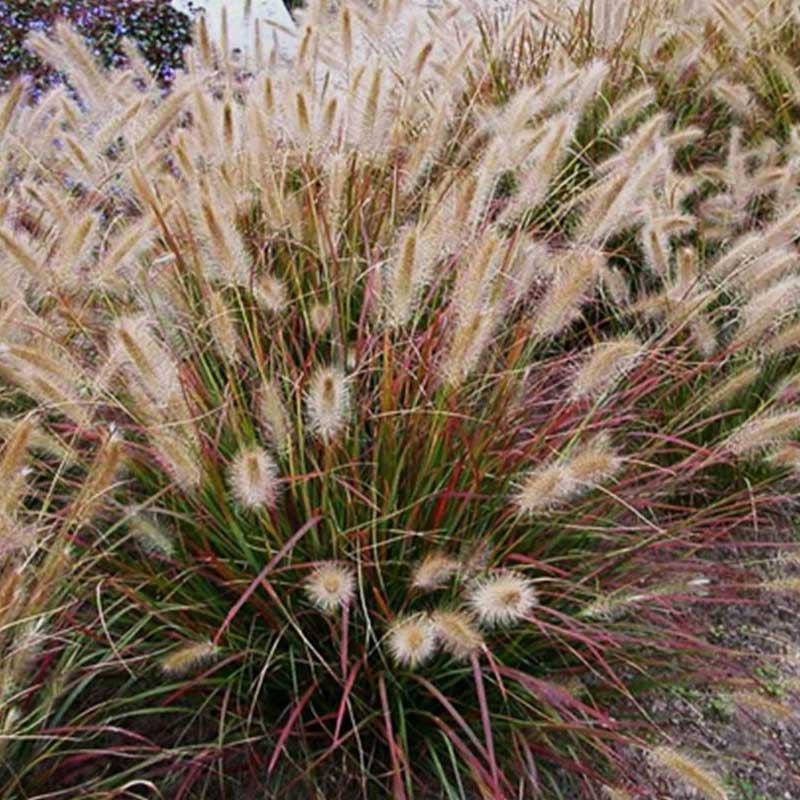
Enhancing Your Garden with Grasses
Incorporating grasses into your landscape provides a unique combination of movement, texture, and year-round architectural interest that few other plants can match. Whether you are looking to create a soft, swaying screen for privacy or want to add a modern, wispy element to your perennial beds, these versatile plants offer a sophisticated aesthetic for any Midwestern yard. From the low-growing mounded types to towering stalks that catch the late afternoon light, the right selection can transform a static garden into a dynamic environment that shifts beautifully with the seasonal winds.
Performance in Northern Illinois Soil
Gardeners in Lake County are well-acquainted with the heavy clay that dominates our local terrain. Fortunately, many varieties of grasses are exceptionally well-suited to these conditions. In communities like Indian Creek and Island Lake, where residential landscapes often feature dense, moisture-retentive soil, these plants thrive because of their deep and resilient root systems. While they appreciate the nutrient-rich nature of our local "black dirt," ensuring they are not planted in a low spot where water sits for extended periods will help maintain a healthy crown and prevent winter rot.
Size, Spacing, and Growth Habit
The growth habit of grasses varies significantly, allowing them to fill multiple roles in a landscape design.
-
Spacing: To ensure proper airflow and allow each specimen to reach its full potential, space smaller tufted varieties 15–18 inches apart, while larger ornamental types like Miscanthus or Switchgrass should be given 3 to 4 feet of room.
-
Habit: Most ornamental varieties grow in tidy clumps that expand slowly over time. Their upright or arching foliage provides a vertical element that contrasts beautifully with the rounded shapes of traditional shrubs and flowers.
Environmental Requirements
To achieve the best results in our Northern Illinois climate, site your plants in a location that receives full sun. While some varieties of forest-type grasses can handle partial shade, the majority require at least six to eight hours of direct light to maintain their structural integrity and produce their iconic plumes. They are remarkably drought-tolerant once established, making them an excellent choice for the "dog days" of August when other plants might wilt. Consistent moisture during the first growing season is critical for establishing the deep roots needed for long-term success.
Landscape Characteristics
The visual impact of grasses is defined by their seasonal transformation. In the spring and summer, they provide a lush, green backdrop. As we move into autumn, many varieties shift into shades of copper, gold, or deep burgundy. Their seed heads, or plumes, emerge in late summer, adding a delicate, feathery texture that remains attractive even under a dusting of snow. Beyond their beauty, they provide essential winter cover and nesting materials for local songbirds and beneficial insects that frequent suburban Lake County gardens.
Planting and Maintenance Advice
Wait until the soil has warmed—typically early-to-mid May in Mundelein—before planting new containers.
-
Fertilization: These plants are generally light feeders. A single application of a balanced, slow-release fertilizer in early spring is usually all that is required to sustain vigorous growth.
-
Cleanup: One of the best features of these plants is their winter interest. Leave the dried stalks standing through the coldest months to provide structure in the snow. In late March or early April, before the new green shoots emerge, cut the previous year’s growth down to about 4–6 inches from the ground.
Reliable Companion Plants for our Area
Pairing grasses with other hardy perennials creates a robust and professional-looking garden display. They coordinate beautifully with:
-
Coneflowers (Echinacea): The sturdy, bold flower heads of coneflowers provide a structural contrast to the fine-textured blades of the grass.
-
Sedum: Low-growing "Autumn Joy" sedum offers a fleshy, mounded texture that highlights the upright stature of taller grass stalks.
-
Black-Eyed Susans (Rudbeckia): The bright yellow blooms provide a vivid pop of color against the shifting greens and tans of the foliage.
Frequently Asked Questions
Are ornamental grasses invasive?
While some older species could spread aggressively, we focus on providing well-behaved, clumping varieties that stay exactly where you plant them.
Is it deer-resistant?
Yes, most grasses are highly deer-resistant. The high silica content in the blades makes them unpalatable to deer and rabbits, making them a safe choice for open borders.
Visit The Country Bumpkin Garden Center
Are you ready to add movement and year-round beauty to your backyard? We proudly serve the gardening communities of Indian Creek and Island Lake, providing a wide selection of hardy nursery stock and expert advice for our local Lake County climate. Our team is here to help you select the perfect varieties to bring life to your home landscape.
Call (847) 566-2176 or Send a Message to check current availability.
Image: ‘Desert Plains’
See: Perennials
Sun Perennials - Sun Plants - Sunny Plants - Grasses near me - Hardy Grass
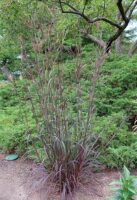
Big Blustem Grass - Andropogon gerardii
Height: 4' - 8' Width: 2' - 3'
Warm season perennial bunch grass. Seed heads are brown and feathery resembling turkey feet.
Drought tolerant and can thrive in poor soils. Clump forming and slowly spread by rhizomes.
Image: CC by 4.0
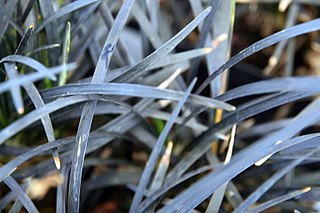
Black Mondo Grass - Ophiopogon planiscapus 'Nigresens'
Height: 6' - 10' Width: 8' - 12'
A striking ornamental plant renowned for its dark, almost black foliage that adds a dramatic contrast to garden landscapes. Despite its name, black mondo grass is not actually a grass but rather a member of the lily family. Good for shady and partial shaded areas.
Image: CC by 4.0
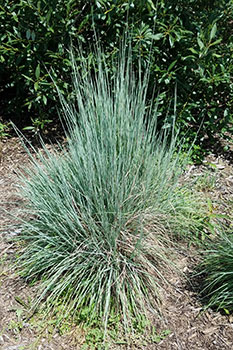
Bluestem Ovation Grass - Schizachyrium scoparium 'Ovation'
Height: 2' - 3' Width: 1' - 2'
An ornamental grass prized for its striking blue-green foliage and graceful, upright habit. Native to North America, this perennial grass thrives in a variety of climates and soil types.
Drought-tolerant and low-maintenance, making it an excellent choice for xeriscaping or naturalistic landscapes.
Image: CC by 4.0
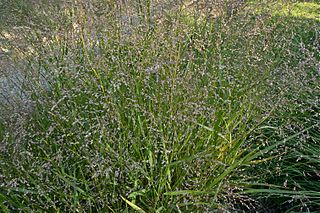
Cheyenne Sky Grass - Panicum virgatum
Height: 2' - 3' Width: 1' - 2'
Renowned for its striking burgundy foliage and graceful arching habit. Native to North America, this perennial grass thrives in a variety of conditions, from moist to dry soils.
Image: CC by 4.0
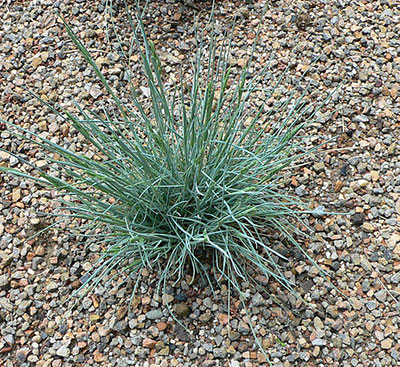
Cool as Ice Grass - Festuca glauca
Height: 8" - 12" Width: 12" - 18"
Prized for its icy blue foliage and compact habit. Native to Europe, this perennial grass adds a touch of cool elegance to garden landscapes.
Creates a neat and tidy appearance, making it an ideal choice for borders, rock gardens, or container plantings. Cool as Ice Grass is drought-tolerant and low-maintenance, thriving in full sun to partial shade and well-drained soil.
Image: CC by 4.0
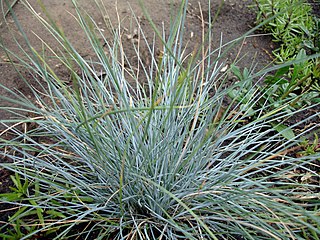
Elijah Blue Grass - Festuca glauca 'Elijah Blue'
Height: 6" - 12" Width: 12" - 18"
Stunning silver-blue foliage and compact growth habit. Creates a neat and tidy appearance, making it an ideal choice for borders, rock gardens, or container plantings. Elijah Blue Grass is drought-tolerant and low-maintenance, thriving in full sun to partial shade and well-drained soil.
Image: CC by 4.0
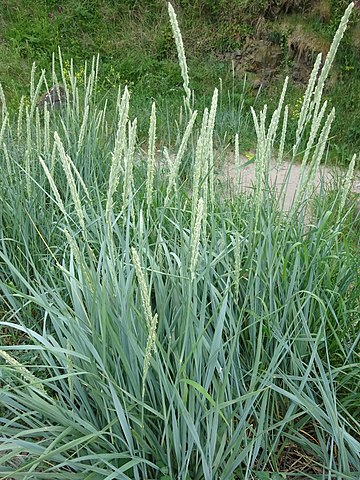
Blue Dune Grass - Leymus arenarius
Height: 2' - 3' Width: 2' - 3'
Blue-gray foliage and impressive size. Native to coastal regions of Europe, this perennial grass thrives in sandy soils and coastal environments.
Drought-tolerant and low-maintenance, thriving in full sun to partial shade.
Image: CC by 4.0
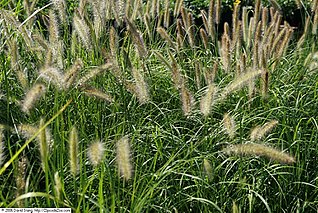
Fountain Grass Desert Plains - Pennisetum alopecuroides
Height: 2' - 3' Width: 2' - 4'
Prized for its graceful fountain-like appearance and adaptability to various soil conditions. Native to Asia and Africa, this perennial grass thrives in sunny locations and is drought-tolerant once established.
Image: CC by 4.0
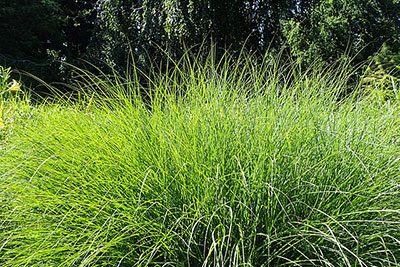
Graziella Grass - Miscanthus sinensis
Height: 4' - 6' Width: 3' - 4'
With slender, arching foliage that emerges in shades of green and turns golden in the fall, this perennial grass adds a touch of sophistication to garden landscapes. Its airy plumes emerge in late summer, adding a soft and ethereal quality to the garden and persisting through the winter months, providing interest year-round.
Image: CC by 4.0
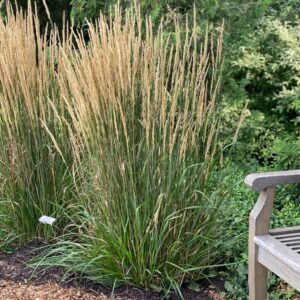
Karl Foerster Grass - Calamagrostis × acutiflora 'Karl Foerster'
Height: 4' - 5' Width: 2' - 3'
Popular ornamental grass celebrated for its vertical form and striking seed heads. Named after the German nurseryman Karl Foerster, this perennial grass is prized for its architectural presence and versatility in garden landscapes. A compact and tidy appearance, makes it suitable for use as a specimen plant or as part of a mixed border.
Image: Midwest Groundcovers
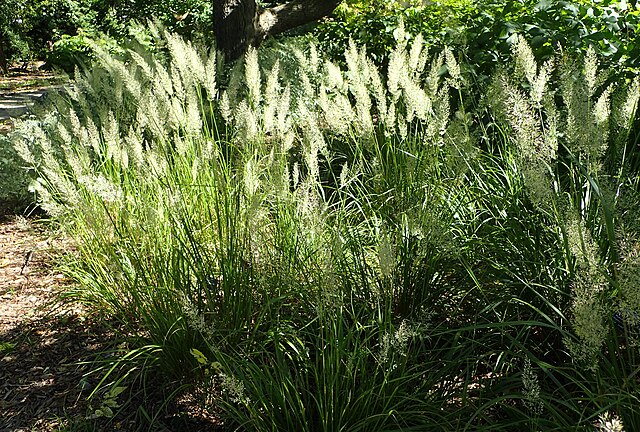
Overdam Reed Grass - Calamagrostis arundinacea
Height: 5' - 7' Width: 2' - 3'
This ornamental grass forms dense clumps, making it an ideal choice for borders or mass plantings. Its variegated green and creamy white leaves lend visual interest year-round, while its feathery flower heads provide additional texture and movement to garden spaces.
Image: CC by 4.0
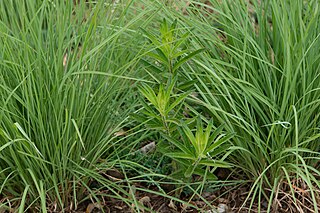
Little Bluestem Grass - Schizachyrium scoparium
Height: 2' - 4' Width: 1' - 2'
A native prairie grass cherished for its striking blue-green foliage that turns a vibrant red-orange hue in the autumn months, adding a blaze of color to the landscape.
Image: CC by 4.0
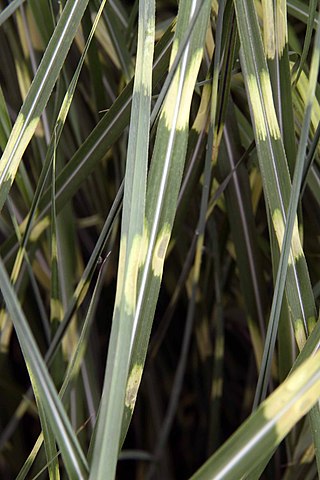
Little Zebra Grass - Miscanthus sinensis 'Little Zebra'
Height: 3' - 4' Width: 2' - 3'
A compact ornamental grass celebrated for its unique variegated foliage and graceful arching habit.
In late summer to early fall, it produces feathery plumes that rise above the foliage, adding a delicate touch and attracting pollinators to the garden. This versatile grass thrives in full sun to partial shade and well-drained soil, requiring minimal maintenance once established.
Image: CC by 4.0
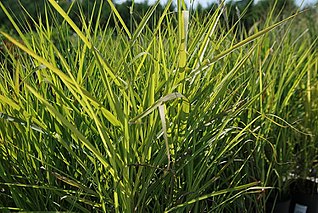
Maiden Flame Grass - Miscanthus sinensis 'Maiden Flame'
Height: 5' - 6' Width: 3' - 4'
Fiery-red foliage that ignites the garden with color throughout the growing season.
Forms dense, clumping mounds, making it an eye-catching focal point in borders or mixed plantings. In late summer to early fall, it produces showy, feathery plumes that rise above the foliage.
Image: CC by 4.0
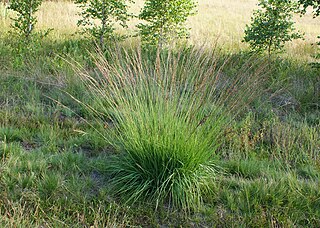
Dutch Dreamer Moor Grass - Molinia caerulea 'Dutch Dreamer'
Height: 2' - 3' Width: 1' - 2'
Slender stems are crowned with feathery flower heads that emerge in late summer, creating a soft, ethereal effect. With a width spanning about 1 to 2 feet, Dutch Dreamer Moor Grass forms neat, compact clumps, making it an ideal choice for borders, rock gardens, or container plantings. The foliage transitions from green to golden-yellow in the fall
Image: CC by 4.0
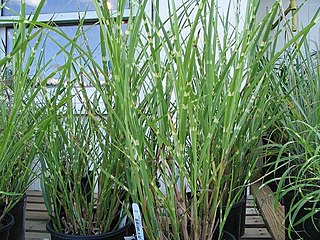
Porcupine Grass - Miscanthus sinensis 'Strictus'
Height: 6' -8' Width: 3' - 5'
Adorned with horizontally banded leaves that resemble the quills of a porcupine, hence its name. In late summer to early fall, it produces graceful, silvery plumes that rise above the foliage.
Image: CC by 4.0
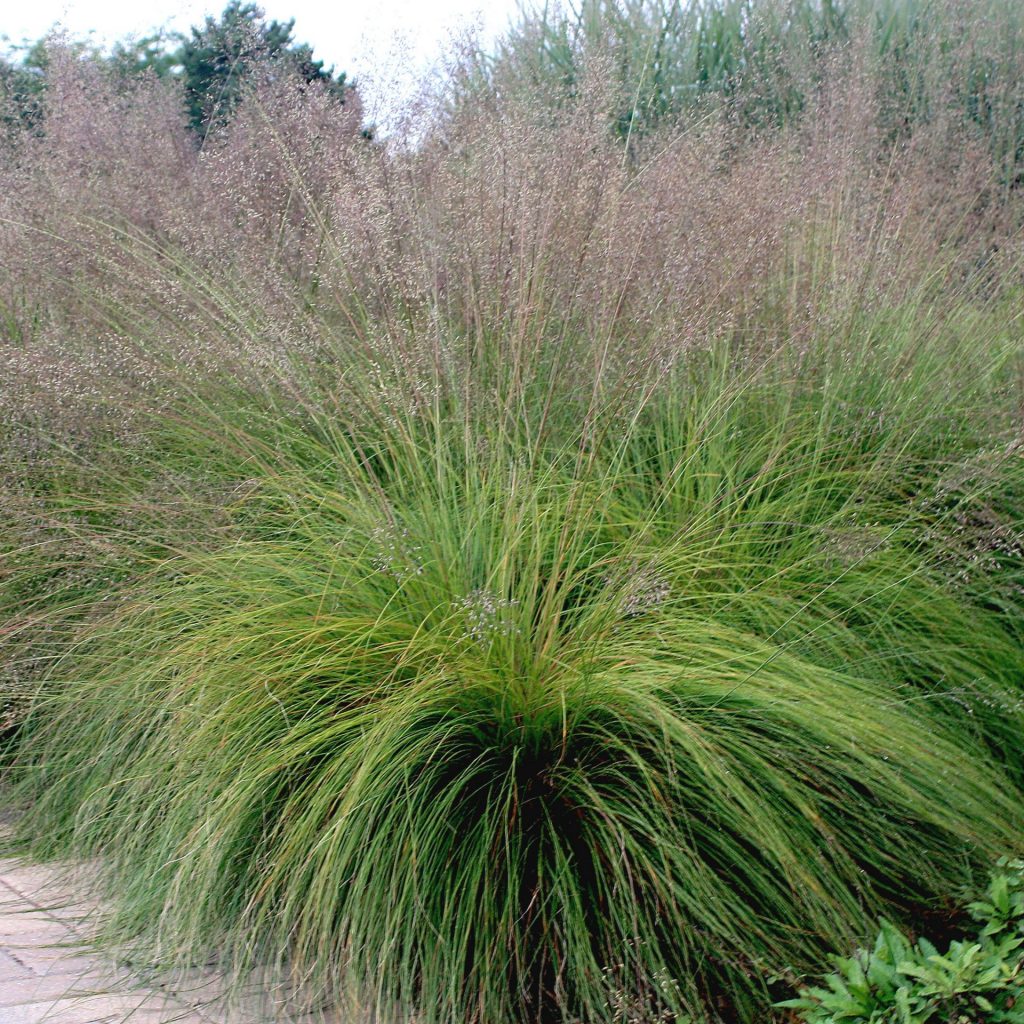
Prairie Dropseed Grass - Sporobolus heterolepis
Height: 2' -3' Width: 2'
A native, warm-season perennial grass found primarily in the central and eastern United States. Known for its graceful, arching foliage and delicate seed heads.
Its slender, green leaves turn golden-yellow in the fall, creating a stunning display of color. Additionally, its airy panicles of tiny flowers bloom in late summer, emitting a subtle fragrance reminiscent of popcorn