canna
Cana Lily
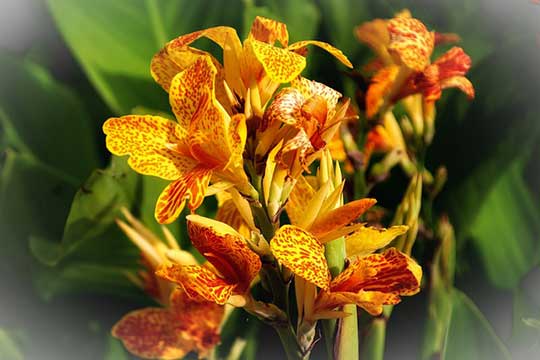
Canna: A Touch of Tropical Elegance for the Summer Garden
Canna (Canna spp.), often called Canna Lilies, are bold and stately tropical perennials grown as summer annuals in our region, available at our Mundelein nursery. Despite their common name, they are not true lilies but are more closely related to gingers and bananas. They are specifically prized for their large, paddle-shaped leaves and their bright, iris-like flowers. For gardeners in Libertyville looking to add a gentle vertical accent and a reliable splash of color to their landscapes, canna is a friendly choice. Their sturdy habit and natural ability to thrive in the warm, humid air of a Lake County summer make them a steady performer for any garden where soft texture and a tropical feel are the goals.
Performance in Northern Illinois Soil
This species is very adaptable and fits beautifully into residential gardens throughout our area. While some delicate flowers might struggle in the heavy clay often found in the North Suburbs, canna grows well in it, especially if the soil is enriched with organic matter. It is successful in the managed garden beds of Mundelein, where its thick rhizomes can thrive in soil that stays consistently moist. In Vernon Hills, these plants act as a dependable landscaping staple, providing a lush, leafy structure that stays vibrant from the heat of June all the way until the first frost of autumn.
Size, Spacing, and Growth Habit
Planning for the upright and leafy way this plant grows ensures it looks its best as a back-border focal point or as the center of a large container.
-
Mature Height: Depending on the variety, canna can range from 2 to 3 feet tall for dwarf types to over 6 feet tall for standard selections.
-
Mature Width: Individual plants span 15 to 24 inches wide, maintaining a dense, upright silhouette of broad leaves.
-
Growth Rate: This plant is commonly known for a fast growth rate, quickly reaching its full height as soon as the soil temperatures stay consistently warm.
-
Foliage Habit: The leaves are large and architectural, ranging from a vibrant apple-green to deep bronze or even multi-colored stripes, providing interest even before the flowers arrive.
-
Spacing Requirements: To create a solid group of color or a nice privacy screen, space individual starts 18 to 24 inches apart. This distance is commonly used to achieve a balanced and happy-looking display.
Environmental Requirements
Knowing what canna likes is a simple way to ensure it stays lush and vibrant throughout the summer months.
-
Sun Exposure: Full sun is the primary requirement for the most flowers and the best leaf color. While it can handle very light afternoon shade in Libertyville, placing it in a bright spot ensures the stems stay sturdy.
-
Moisture Needs: Consistent moisture is a primary requirement. These plants enjoy a damp environment and are a practical choice for areas of the garden that might stay a little wetter than others. Providing regular water during dry weeks is a standard way to keep them happy.
-
Temperature Tolerance: These are true heat-lovers. It is a practical strategy to wait until the summer weather has truly arrived in early June before planting, as they prefer warm soil and don't like chilly spring nights.
-
Soil Chemistry: This species is commonly adaptable to many soil types, as long as the ground is rich in compost and nutrients.
Landscape Characteristics
In our local gardens, this flowering plant provides a source of consistent interest and helpful garden support:
-
Vertical Interest: Because of their upright habit, canna is a popular choice for adding height to the back of a flower bed without the need for staking.
-
Container "Thriller": It is a pleasant choice for the center of large mixed containers, providing a colorful focal point that lasts all season long.
-
Pollinator Friendly: The bright, nectar-rich flowers are often visited by hummingbirds and large butterflies, making it a cheerful addition to a nature-friendly garden in Mundelein.
-
Foliage Variety: Varieties with bronze or variegated leaves offer a sophisticated visual element that contrasts well with green-leaved perennials.
-
Screening Utility: When planted in a row, the large leaves provide a soft, natural screen for patios or walkways during the summer months.
Planting and Maintenance Advice
To keep your plants healthy and blooming beautifully, follow these simple care steps:
-
Site Preparation: It’s helpful to mix some compost or aged manure into your soil. In the heavy soils of our area, this is a practical way to provide the nutrients these "heavy feeders" require.
-
Watering Routine: Watering at the base of the plant is a good habit, ensuring the soil remains consistently damp during the peak of summer.
-
Fertilization: A balanced, water-soluble fertilizer used every few weeks is commonly helpful to keep the growth steady and the flower production high.
-
Deadheading: Removing spent flower stalks is a practical strategy to encourage the plant to produce new blooms rather than setting seed.
-
Pest Management: These plants are commonly sturdy, though keeping an eye out for Japanese beetles during July in Vernon Hills is a good idea.
Reliable Companion Plants for our Area
To create a pleasant, multi-layered look, consider pairing your plants with other varieties from The Country Bumpkin:
-
Planting trailing Lantana or Petunias at the base of canna provides a lovely contrast in shape and color.
-
Sweet Potato Vine or Coleus thrive in the same warm conditions and provide a soft texture contrast to the broad leaves.
-
Zinnias or Marigolds provide a nice rounded texture that fills in the space around the tall stalks.
-
Taller grasses provide a soft, wispy background that looks great next to the structured habit of the canna.
Frequently Asked Questions
Is canna deer resistant?
Yes, canna is commonly noted for having good deer and rabbit resistance. The thick, fibrous leaves are generally not the first choice for local wildlife in Libertyville.
What colors can I find at the nursery?
We commonly have a wide range of flower colors, including bright red, warm orange, and sunny yellow, often paired with green or bronze foliage.
Do I need to dig them up in the winter?
Yes, because they are tropical, the rhizomes will not survive a North Suburb winter. A practical strategy is to dig them up after the first frost, allow them to dry, and store them in a cool, dark place until next spring.
Visit The Country Bumpkin Garden Center
We are located at the corner of Gilmer Rd & Hawley St in Mundelein. Stop by to see the bold foliage and experience the tropical beauty of canna for your own garden. We are a local resource for gardeners across Libertyville, Mundelein, Vernon Hills, and the surrounding communities.
Call (847) 566-2176 or Send a Message to check current availability.
See: Annuals
Category: Sun Annuals - Sun Plants - Sunny Plants - Canna near me - Canna Lily