american sycamore
Platanus Occidentalis - American Sycamore Tree - American Planetree
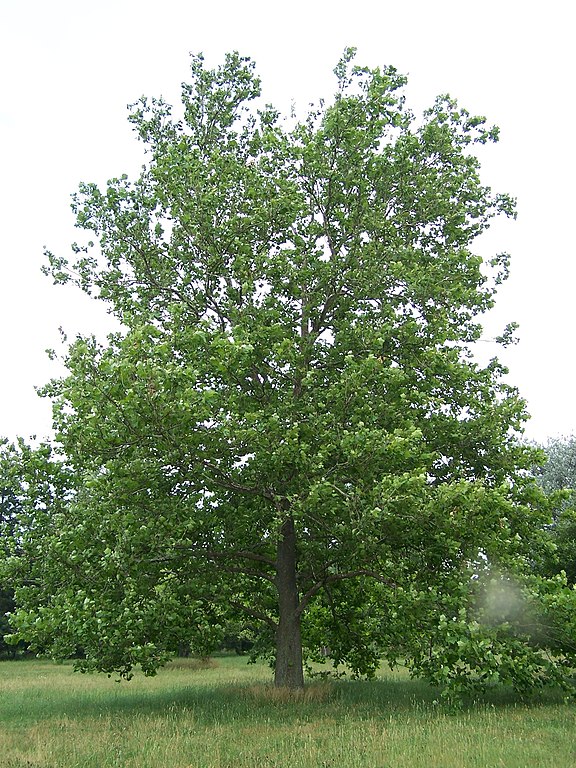
The American Sycamore: A Titan for the Illinois Landscape
The American sycamore (Platanus occidentalis) is an iconic fixture of the Midwest, known for its massive stature and unmistakable "camouflage" bark. For homeowners and landscapers in the Mundelein area, this tree offers a combination of rapid growth and architectural beauty that few other species can match. Often referred to as the buttonwood or western plane tree, the American sycamore thrives in the rich, often moist soils found throughout Lake County, making it a reliable choice for large-scale properties.
Identifying Characteristics and Growth Habit
The most striking feature of the American sycamore is its exfoliating bark. As the tree grows, the older, darker bark cannot expand, causing it to peel away in brittle flakes. This reveals a smooth, inner layer of cream, white, and pale green, which gives the tree a "ghostly" appearance in the winter months. This visual interest is particularly valuable in towns like Libertyville and Vernon Hills, where winter landscapes can often look drab without the structural contrast provided by these white upper branches.
In terms of scale, this is a "legacy" tree. Its leaves are equally impressive—broad, maple-like, and reaching up to 10 inches across. Because of this massive leaf surface area, the American sycamore provides some of the densest summer shade available, significantly cooling any outdoor living space or backyard.
Species Details
If you are planning to add one to your property, keep in mind that these trees require room to grow. They are best suited for areas where the canopy has plenty of space to branch out.
-
Size: They often reach 75 to 100 feet tall, with a canopy that spreads 50 to 70 feet wide.
-
Light Exposure: These trees perform best in full sun.
-
Fruit & Flower: The American sycamore is a monoecious species, meaning it produces separate male and female flowers on the same tree. In the spring, these flowers develop into "buttonballs." These seed clusters hang on through the winter and are a food source for local birds.
-
Fall Color: The leaves generally turn a warm yellow or brown before dropping for the season.
-
Watering: While the American sycamore is resilient, it appreciates consistent moisture. During dry stretches in July, a little extra water helps keep the foliage looking healthy.
-
Fertilizer: Our local soil is usually rich enough, but a basic slow-release fertilizer in the spring can give a young tree a helpful start.
-
Pruning: It is best to prune in the winter while the tree is dormant to maintain its structure.
Site Selection and Planting in Northern Illinois
Success begins with proper placement. Given its aggressive root system and eventual size, it should not be planted near sidewalks, driveways, or underground utility lines. It is an ideal specimen for large backyards in Grayslake or as a naturalized border for properties near wetlands or creeks in Round Lake.
While the tree is famous for its ability to handle "wet feet" and occasional flooding, it is surprisingly adaptable to urban conditions. It can tolerate a range of soil pH levels, though it prefers the deep, silty loams often found in the floodplains of the Des Plaines River. When planting at your home in Hawthorn Woods, ensure the site receives full sun to encourage a strong, symmetrical crown.
Companion Plants for a Cohesive Design
To create a high-end, professional look, pair the tree with plants that share its moisture requirements and aesthetic "weight."
-
Tamarack (Larix laricina): These deciduous conifers offer a fine-textured needle that contrasts with the sycamore's massive leaves. Their golden autumn color looks spectacular against the peeling bark.
-
Winterberry Holly (Ilex verticillata): Plant these in drifts beneath the canopy. The bright red berries provide a pop of color that stands out against the white trunk during the snowy months in Wauconda.
-
Black Spruce (Picea marina): For a year-round screen, the dark needles of the spruce provide a solid backdrop that makes the white branches of the sycamore stand out.
Choosing this species means investing in a tree that will outlive several generations. Its ability to thrive in the fluctuating Midwest climate, combined with its unique visual appeal, makes it a powerhouse for any large-scale landscape project. Whether you are looking to add shade to a sprawling estate or stabilize a creek bank, this native giant is up to the task.
Image: Bruce Marlin, CC BY-SA 2.5
Category: Trees - American sycamore near me - American planetree
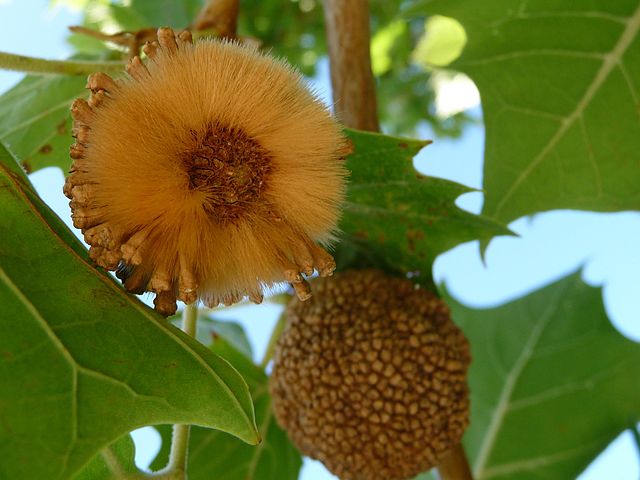
Image: Jeff Turner from Santa Clarita, CA, United States, CC BY 2.0