
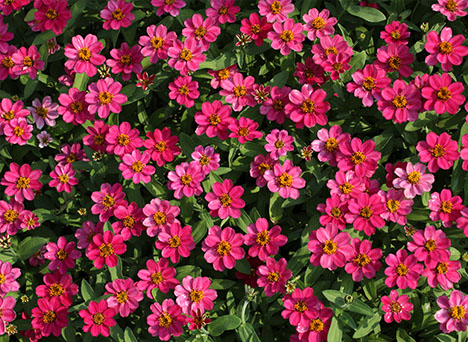
zinnia

zinnia

Zinnia: A Sun-Loving Classic for Abundant Summer Color

For homeowners and gardening enthusiasts in Lake County looking to add an explosion of color to their landscapes, few annuals are as rewarding as the zinnia. Known for being easy to grow and remarkably prolific, these warm-season favorites thrive precisely when the Midwest heat peaks. Whether you are beautifying a garden in Waukegan, Zion, Park City, or North Chicago, the zinnia provides a steady supply of vibrant blooms that can last until the first frost of autumn.

Understanding Growth and Appearance

Zinnia varieties offer a sturdy, upright growth habit that makes them excellent for adding structure to flower beds. Depending on the specific cultivar, these plants typically grow to a height of 12 to 24 inches and spread between 12 to 18 inches. Their bold, daisy-like flowers are a staple for anyone wanting a "cut-and-come-again" garden, as picking the flowers only encourages the plant to produce more.

The color palette for zinnia is diverse and high-energy. Local favorites include the striking Profusion Cherry, as well as bright Orange and sunny Yellow varieties. To ensure your garden looks full and professional, we recommend a spacing of 12 inches between plants to allow for proper airflow and root development.

Planting and Maintenance Advice

While the zinnia is one of the easiest annuals to manage, timing and site selection are key to preventing common issues like powdery mildew in our humid climate.

  • Site Preparation: These plants are sun-worshippers and require full sun to reach their blooming potential. They thrive in well-drained soil; if your planting site tends to hold water after a rainstorm, amending the ground with organic matter or planting in raised beds is highly recommended.

  • Watering Routine: Zinnia does not like excess moisture. While they need regular watering to get established, they are quite drought-tolerant once mature. To prevent leaf diseases, always water at the base of the plant in the morning, keeping the foliage as dry as possible.

  • Fertilization: These are fast-growing plants that benefit from regular energy boosts. Apply a balanced, slow-release fertilizer at planting time. Following up with a water-soluble fertilizer every two to three weeks will ensure the blooms remain large and the colors stay vibrant through the dog days of August.

  • Trimming and Dead-heading: To keep your zinnia looking its best and to maximize flower production, regular dead-heading is essential. Simply snip off faded blooms just above a set of leaves. This signals the plant to branch out and create even more flower-bearing stems.

  • Pest Management: While generally hardy, zinnia can occasionally attract Japanese beetles or aphids. The most common challenge is powdery mildew, which appears as a white film on the leaves. You can manage this by ensuring proper 12-inch spacing for airflow and avoiding overhead watering.

Versatile Landscape Uses

The versatility of the zinnia makes it a multi-tasker for any sunny yard. It is an ideal choice for bedding and borders, where it can provide a mid-height layer of color. Additionally, they are fantastic for containers and serve as a magnet for pollinators. If you want to see more butterflies and bees in your garden, a patch of these bright flowers is a guaranteed way to attract them.

Visit The Country Bumpkin Garden Center in Mundelein to explore our current selection of zinnia and other sun-loving annuals. As a family-owned nursery, we are proud to serve our neighbors in Beach Park, Winthrop Harbor, Old Mill Creek, Gurnee, Grandwood Park, Lake Catherine, Channel Lake, and Antioch, providing the expertise and quality plants you need for a stunning summer display.

Call (847) 566-2176 or Send a Message to check current availability.

See: Annuals

Category: Sun Annuals - Sun Plants - Sunny Plants - Zinnia near me