viola
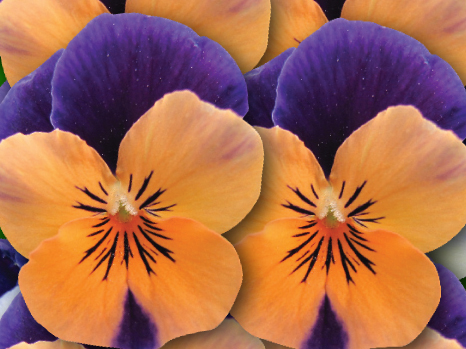
Viola: The Hardy Herald of Spring and Fall in Northern Illinois
For homeowners and gardening enthusiasts in Lake County looking to jumpstart their garden or extend the season, viola is a must-have selection. Known for their resilience and cheerful blooms, these cool-season favorites are specifically prized for their ability to thrive when temperatures are brisk. Whether you are adding early charm to a patio in Lake Villa, Lindenhurst, Gages Lake, or Third Lake, viola provides a dependable, prolific splash of color that outshines the lingering gray of winter.
Understanding Growth and Appearance
Viola varieties are compact powerhouses that bring a sense of abundance to any garden setting. Typically reaching a height of 4 to 10 inches with a similar spread of 4 to 10 inches, they are perfect for tight spaces or as a dense groundcover. Despite their delicate appearance, they grow fast and bloom profusely, creating a "carpet" effect when planted together.
The color palette for viola focuses on classic, high-contrast shades including Blue, Yellow, and various multi-colored Mixes. Their petite faces often feature intricate markings that add detail to the garden. To achieve a professional, lush look for your spring or autumn borders, we recommend a spacing of 8 inches between each plant.
Planting and Maintenance Advice
While viola is incredibly hardy, it performs best when its preference for cooler conditions is respected. Follow these steps to maximize their blooming period in our local climate:
-
Site Preparation: Viola thrives in full sun to semi-shade. While they appreciate the sun in the early spring, it is vital to protect them from the hot afternoon sun as the season progresses. They require well-drained soil to thrive; if your garden bed holds too much moisture, incorporate organic matter or high-quality soil to ensure proper drainage.
-
Watering Routine: These plants like to stay hydrated but shouldn't sit in soggy ground. The general rule for viola is to water them as soon as the soil feels dry to the touch. Maintaining consistent moisture is key to keeping their stems sturdy and their flowers vibrant.
-
Fertilization: To sustain their fast growth and heavy blooming, apply a balanced fertilizer at the time of planting. A mild, water-soluble fertilizer applied every two to three weeks will support their energy needs as they produce a constant stream of new buds throughout the cool months.
-
Trimming: To keep your viola looking tidy and to encourage continuous flowering, regular dead-heading (removing spent blooms) is helpful. If the plants start to look a bit stretched out during a surprise warm spell, a light trimming can help them maintain a more compact, mounded shape.
-
Pest Management: Viola is generally a healthy plant, but keep an eye out for slugs or aphids during damp spring weather. Ensuring they are not overcrowded and have good air circulation is usually enough to prevent most issues. Their compact nature also makes them easy to monitor for any minor visitors.
Versatile Landscape Uses
The hardy nature of viola makes it a multi-tasker for the transition seasons. It is an ideal choice for bedding and borders where early-season color is needed most. Furthermore, they are excellent "fillers" for containers and window boxes, providing a lush, colorful base for taller spring bulbs like tulips or daffodils.
Visit The Country Bumpkin Garden Center in Mundelein to explore our current selection of viola and other cool-season annuals. As a family-owned nursery, we are proud to serve our neighbors in Round Lake Heights, Round Lake Park, Round Lake Beach, Hainesville, Indian Creek, Long Grove, Green Oaks, and Mettawa, providing the quality inventory you need to bring your garden to life.
Call (847) 566-2176 or Send a Message to check current availability.
See: Annuals
Category: Sun Annuals - Semi Shade annuals - Semi Shade Plants - Sunny Plants - Viola near me