tickseed
Coreopsis - Tickseed
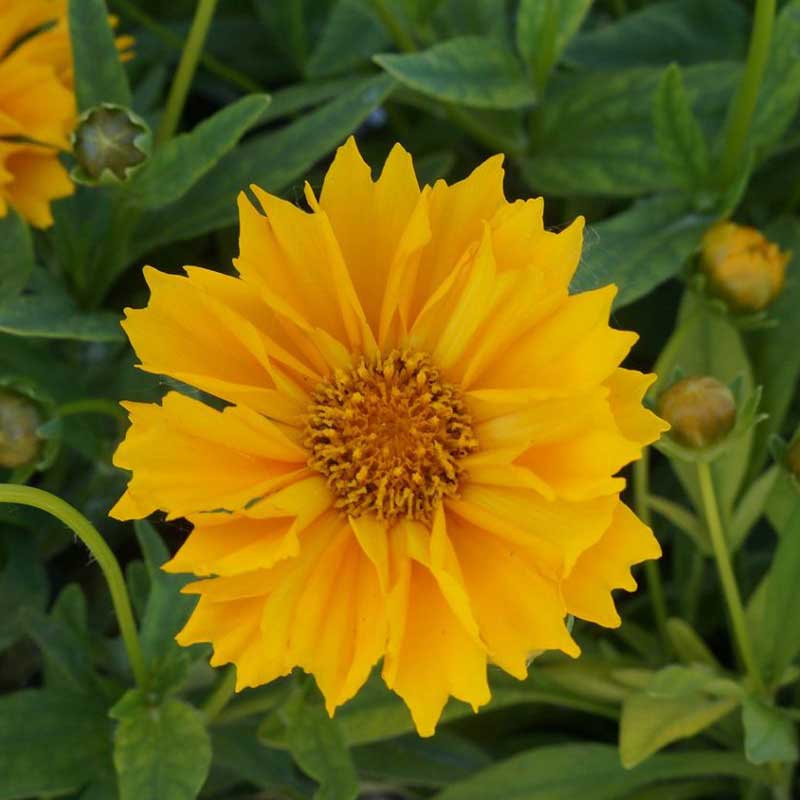
Coreopsis: Sunny, Reliable Color for Lake County Borders
Coreopsis, more commonly known by the name tickseed, is one of the most cheerful and hardworking perennials we stock at our Mundelein nursery. For homeowners in North Barrington or Park City looking for a plant that provides an almost continuous carpet of yellow, gold, or bicolor blooms throughout the summer, this genus is an essential choice. Its ability to bloom for months on end makes it a premier performer in any sun-drenched Northern Illinois landscape.
Performance in Northern Illinois Soil
This perennial is exceptionally hardy in our Zone 5b climate. While many summer flowers can be finicky about soil quality, most varieties of tickseed are remarkably adaptable to the heavy, lean clay found throughout the region. It is particularly successful in the open, breezy landscapes of North Barrington, where it can handle the transition from a cool spring to the intense, dry heat of an Illinois July. These plants actually prefer soil that isn't too rich; in overly fertile ground, they may become floppy and produce more leaves than flowers.
For the best results, plant it in full sun. To maintain its dense, mounded shape and maximize flower production, the plant needs at least 6 to 8 hours of direct light daily. In shaded yards, the growth will be sparse, and the plant may struggle with the humidity common in a typical Lake County summer.
Why Tickseed is a Practical Local Choice
In the North Suburbs, this group of perennials serves as a reliable "filler" and "spiller" in the garden, solving several specific challenges:
-
Incredible Bloom Longevity: Unlike many perennials that flower for only two weeks, a healthy tickseed can bloom from June all the way through September if properly maintained.
-
Pollinator Powerhouse: The bright, flat-topped flowers are a favorite for native bees, small butterflies, and hoverflies in Park City, supporting a healthy local ecosystem.
-
Drought Tolerance: Once established, these plants are remarkably resilient during dry spells. They are a "set-and-forget" option for sunny parkways or hillsides that are difficult to water.
-
Wildlife Resistance: The foliage is generally ignored by deer and rabbits, making it a safe choice for properties near the local forest preserves where wildlife pressure is high.
Planting and Maintenance Advice
To ensure your tickseed remains a vibrant focal point and returns with vigor each year, follow these straightforward care steps:
-
Deadheading for Rebloom: While some modern varieties are "self-cleaning," most will bloom much more heavily if you snip off the faded flowers. For large patches, you can use garden shears to "haircut" the top few inches of the plant after the first flush of blooms.
-
Ensure Sharp Drainage: This is the most critical factor for winter survival. While they handle clay, they do not like to sit in "wet feet" during the winter thaw. Planting in a slightly raised bed is a great strategy in North Barrington.
-
Division: Every 2 to 3 years, the clumps may become overcrowded or die out in the center. Dig the plant up in early spring, divide it, and replant the vigorous outer sections to refresh the patch.
-
Spring Cleanup: Wait until you see new green growth appearing at the base in early April before cutting away the dead stems from the previous year.
-
Minimal Fertilizer: Avoid using high-nitrogen fertilizers. A simple top-dressing of compost in the spring is all the energy a tickseed needs to thrive.
Reliable Companion Plants for our Area
To create a pleasant, multi-layered look in the garden, consider pairing Tickseed (Coreopsis) with these specific varieties:
-
Blazing Star (Liatris): The dramatic, upright purple spikes of Liatris offer a superb vertical contrast to the mounded, airy habit of Tickseed. Both are sun-loving natives that thrive in well-drained soil, creating a high-energy "pollinator powerhouse" during the mid-summer months.
-
Coneflowers (Echinacea): These sturdy favorites share the same blooming window and love for full sun. The bold, daisy-like petals and prominent cones of the Echinacea provide a strong structural counterpoint to the delicate, fine-textured foliage and prolific small blooms of the Tickseed.
-
Salvia (May Night): For a striking color combination, the deep indigo-blue spikes of perennial Salvia contrast beautifully with the bright gold or sunny yellow flowers of Tickseed. This pairing stays compact and neat, making it ideal for the front or middle of a sunny garden border.
-
Little Bluestem (Schizachyrium): This ornamental native grass provides a soft, blue-green backdrop that makes the vibrant colors of Tickseed truly stand out. As the season transitions into autumn, the grass shifts to a bronze-orange hue that complements the late-season flowers and seed heads.
Frequently Asked Questions (Lake County Edition)
Why is it called by that name?
The name tickseed refers to the small, dark seeds which look remarkably like tiny insects. Don't worry, the plant does not actually attract ticks to your garden!
Is it a native plant?
Yes, several species of Coreopsis are native to the Illinois prairies. We carry both the straight native species and highly decorative hybrids that offer a wider range of colors for North Barrington landscapes.
Visit The Country Bumpkin Garden Center
We are located at the corner of Gilmer Rd & Hawley St in Mundelein. Stop by to see the different colors and textures of tickseed we carry and find the right variety for your sunny borders. We are proud to be a local resource for gardeners across Mundelein, Park City, and the surrounding communities.
Call (847) 566-2176 or Send a Message to check current availability.
Varieties: Bengal Tiger, Ice Wine, Jethro Tull, Prairie, Red Satin, Sand, Starlight, Sunray
Image: ‘Jethro Tull’
See: Perennials
Category: Sun Perennials - Sun Plants - Sunny Plants - Tickseed near Mundelein, IL - Coreopsis