rhododendron azalea
Rhododendron Azalea
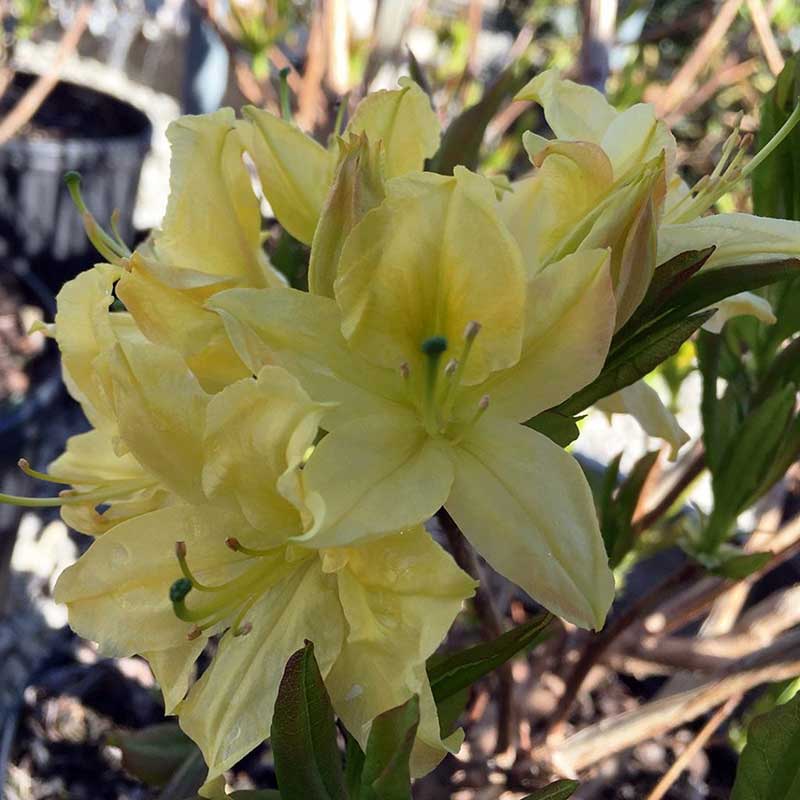
Rhododendron Azalea: A Structural Flowering Shrub for the Illinois Landscape
Rhododendron - azalea, a genus of deciduous and evergreen flowering shrubs in the Ericaceae family, is a foundational landscape element available at our Mundelein nursery. For homeowners in Kildeer or Kenilworth looking to add substantial spring color and a distinct, architectural presence to their properties, these plants are a functional choice. Their ability to produce dense clusters of trumpet-shaped flowers and their suitability for partially shaded sites make them a steady performer in any North Suburb garden where seasonal transitions and reliable garden definition are the primary goals.
Performance in Northern Illinois Soil
This genus is hardy in our Zone 5b climate and is a representative selection for Midwest woodland gardens, foundation plantings, and sheltered residential borders. While many ornamental shrubs struggle with the heavy, unyielding clay found throughout the region, the rhododendron azalea grows well in it, provided the site is heavily amended with organic matter and maintains a lower pH. It is successful in the established, partially shaded landscapes of Kenilworth, where its root system can anchor firmly in cool, mulched soil. In Kildeer, these plants act as a durable architectural staple, emerging with fuzzy or glossy leaves in the spring that provide a lush, clean backdrop for the iconic blossoms that follow in May and June.
Size, Spacing, and Growth Habit
Planning for the mature dimensions of these shrubs ensures they provide the intended visual mass without requiring excessive maintenance or being easily crowded out by larger canopy trees:
-
Deciduous Azaleas (e.g., Lights Series): Typically reach 4 to 6 feet tall and 3 to 5 feet wide with an upright, multi-stemmed habit.
-
PJM Rhododendrons: These broadleaf evergreens typically reach 3 to 5 feet tall and 3 to 5 feet wide, forming a tidy, rounded silhouette.
-
Large-Leaf Rhododendrons: Can reach 6 to 10 feet tall and 6 to 10 feet wide, developing a substantial, mounded presence in the landscape.
-
Spacing Requirements: To create a solid flowering screen or a continuous garden border, space plants 3 to 5 feet apart from center to center depending on the specific variety's mature width. This allows for proper airflow, which is a mechanical necessity to keep the interior foliage healthy.
Characteristics of Rhododendrons and Azaleas
In the North Suburbs, this group of shrubs serves as a source of seasonal interest and functional landscape support, addressing several specific gardening requirements:
-
Prolific Spring Floral Display: The plant produces clusters of flowers in a vast range of colors including purple, pink, white, orange, and red. This characteristic is commonly utilized to provide a high-impact focal point during the mid-to-late spring window.
-
Diverse Foliage Habits: The genus includes both evergreen varieties that retain their leathery leaves through the winter and deciduous varieties that drop their leaves after a vibrant yellow or bronze autumn transition.
-
Aromatic Varieties: Some deciduous azaleas produce a sweet, clove-like fragrance. This characteristic is commonly utilized to add a sensory element near patios or entryways.
-
Winter Interest: In evergreen varieties like the PJM, the leaves often take on a mahogany or purplish tint during the coldest months. This provides a subtle color shift that returns to green as temperatures rise in the spring.
-
Pollinator Support: The nectar-rich, tubular flowers are highly attractive to bees, butterflies, and hummingbirds, playing a practical role in local spring ecology.
Planting and Maintenance Advice
To ensure your shrub remains healthy and produces a prolific amount of flowers each year, follow these straightforward care steps:
-
Light and Shelter: Most rhododendrons and azaleas perform best in partial shade, ideally with protection from the intense afternoon sun. In our region, protection from harsh western winds is a functional necessity to prevent "bud blast" or leaf desiccation during the winter.
-
Soil Acidity and Organic Matter: These plants are acid-loving (pH 5.0 to 6.0). Because Illinois clay is naturally alkaline, amending the planting site with peat moss, pine bark, or sulfur is a practical way to manage the soil chemistry.
-
Prioritize Drainage: Proper drainage is the most critical factor for success. The plant will not tolerate stagnant, standing water or "wet feet." Slightly elevating the root ball above the surrounding soil grade is a mechanical necessity in heavy clay areas to prevent root rot.
-
Pruning Timing: Because the plant blooms on "old wood," any pruning to shape the shrub or remove spent flower clusters should be done immediately after the blossoms fade in the late spring or early summer.
-
Mulching: Maintain a 3-inch layer of organic mulch—such as pine needles or shredded bark—around the root zone. This helps regulate soil temperature, maintains necessary moisture levels, and helps acidify the soil as it decomposes.
Frequently Asked Questions (Lake County Edition)
Why are the leaves on my rhododendron turning yellow?
In our region, this is usually a sign of iron chlorosis caused by soil that is too alkaline. When the pH is too high, the plant cannot absorb necessary nutrients. Applying a soil acidifier or chelated iron is a practical way to restore the deep green color.
Why did my plant fail to bloom?
This can be caused by pruning too late in the previous season, which removes the developing buds. It can also be caused by a particularly harsh winter or a late spring frost that kills the flower buds before they can open.
Visit The Country Bumpkin Garden Center
We are located at the corner of Gilmer Rd & Hawley St in Mundelein. Stop by to see the various colors and growth habits of rhododendron azalea in person—from the hardy PJM to the vibrant Lights series—and find the right fit for your landscape. We are a local resource for gardeners across Mundelein, Kildeer, Kenilworth, and the surrounding communities.
Call (847) 566-2176 or Send a Message to check current availability.
Varieties: Lemon Lights, Mandarin Lights, Karen, Purple, P.J.M, Purple Gem, Red, White.
Image: Rhododendron ‘Lemon Lights’
See: Shrubs and Roses
Category: Sun Perennials - Sun Plants - Sunny Plants - Shrubs - Deciduous Shrubs - Azaleas near me - Rhododendron