pansy
Enhancing Your Garden with Pansy
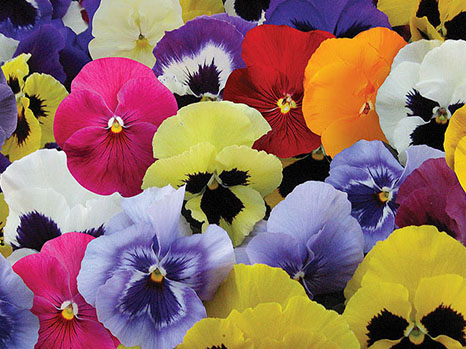
The pansy is perhaps the most iconic symbol of the changing seasons in the Midwest, offering a cheerful burst of color when most other garden plants are still dormant. Whether you are looking to brighten up your front porch with a decorative container or want to create a vibrant groundcover in your garden beds, incorporating the pansy provides immediate visual impact. These cool-weather favorites are prized for their "faces"—the dark central blotches that give the petals a soulful appearance—though they are also available in clear, solid tones ranging from deep midnight purple to sunshine yellow and sky blue.
Performance in Northern Illinois Soil
Gardeners in Lake County are well-acquainted with the heavy, often cold clay soil that characterizes our early spring. Fortunately, the pansy is incredibly hardy and adaptable to these conditions. In communities like Libertyville and Vernon Hills, where residential landscapes may still be thawing in late March or April, these plants thrive because they prefer the moisture-retentive qualities of our local "black dirt." To ensure the best performance, it is helpful to work a small amount of organic compost into the top few inches of soil, which provides the necessary nutrients for their vigorous early-season growth without compromising the cool root environment they crave.
Size, Spacing, and Growth Habit
The pansy typically exhibits a compact and low-growing habit, making it an ideal choice for the front of a border or as a filler in spring planters. Most varieties will reach a height of 6 to 9 inches with a similar spread.
-
Spacing: To create a lush, carpet-like effect, space individual plants approximately 6 to 10 inches apart. This allows enough room for airflow while ensuring the foliage knits together quickly.
-
Habit: These plants have a mounding or slightly spreading habit. Their stems are sturdy enough to withstand the breezy spring days common in our region, keeping the upward-facing blooms visible even after a light rain.
Environmental Requirements
To get the most out of your plants, site them in a location that receives full sun to partial shade. In the Northern Illinois spring, full sun is often preferred as it provides the warmth necessary for maximum bloom production. However, as we transition into the warmer days of late May, a spot with afternoon shade can help extend their lifespan. The pansy requires consistent moisture; the soil should feel like a wrung-out sponge. They are remarkably frost-tolerant and can usually survive a light dusting of snow or a dip in temperature without losing their vibrant color.
Landscape Characteristics
The visual versatility of the pansy makes it a staple for professional-looking landscapes. They are available in nearly every color of the rainbow, including unique bicolors and ruffled varieties. Beyond their aesthetics, they are one of the few early-season sources of nectar for emerging pollinators like queen bumblebees. Their fragrance is subtle and sweet, often most noticeable on a damp spring morning. In the landscape, they serve as the perfect bridge between the melting snow and the arrival of summer annuals, providing a high-density color display that is both affordable and reliable.
Planting and Maintenance Advice
You can safely plant these in Mundelein much earlier than other annuals—often as soon as the soil can be worked in the spring.
-
Fertilization: Use a balanced, liquid fertilizer every two to three weeks to keep the plants energized and blooming.
-
Deadheading: To keep your display looking tidy and to prolong the flowering season, pinch off spent blooms at the base of the stem. This prevents the plant from setting seed and encourages it to put all its energy into creating new "faces." If the plants begin to look "leggy" as the heat of June approaches, a quick trim can sometimes encourage a final flush of growth.
Reliable Companion Plants for our Area
Pairing the pansy with other frost-hardy varieties creates a layered and professional spring aesthetic. They coordinate beautifully with:
-
Snapdragons: The upright spikes of snapdragons provide a vertical contrast to the low-mounding pansies.
-
Dusty Miller: The silvery, lacy foliage provides a sophisticated neutral backdrop that makes the saturated pansy colors stand out.
-
Sweet Alyssum: A fragrant, trailing companion that spills over the edges of pots while the pansies hold the center.
Frequently Asked Questions
Can pansies survive a frost?
Yes, they are exceptionally hardy. A light frost will not hurt them, though they may wilt slightly until the sun warms them back up.
Are they edible?
Yes, pansy blooms are frequently used as edible garnishes for salads and desserts, provided they have been grown without systemic pesticides.
Visit The Country Bumpkin Garden Center
Are you ready to start your spring gardening season with a splash of color? We proudly serve the gardening communities of Grayslake and Hawthorn Woods, providing a wide selection of hardy stock and expert advice for our unique local climate. Our team is here to help you coordinate the perfect color scheme for your window boxes and garden beds.
Call (847) 566-2176 or Send a Message to check current availability.
See: Annuals
Category: Sun Annuals - Sun Plants - Sunny Plants - Shady Plants - Pansy near me