mertensia virginia bluebells
Virginia Bluebells - Bluebells - Chiming Bells
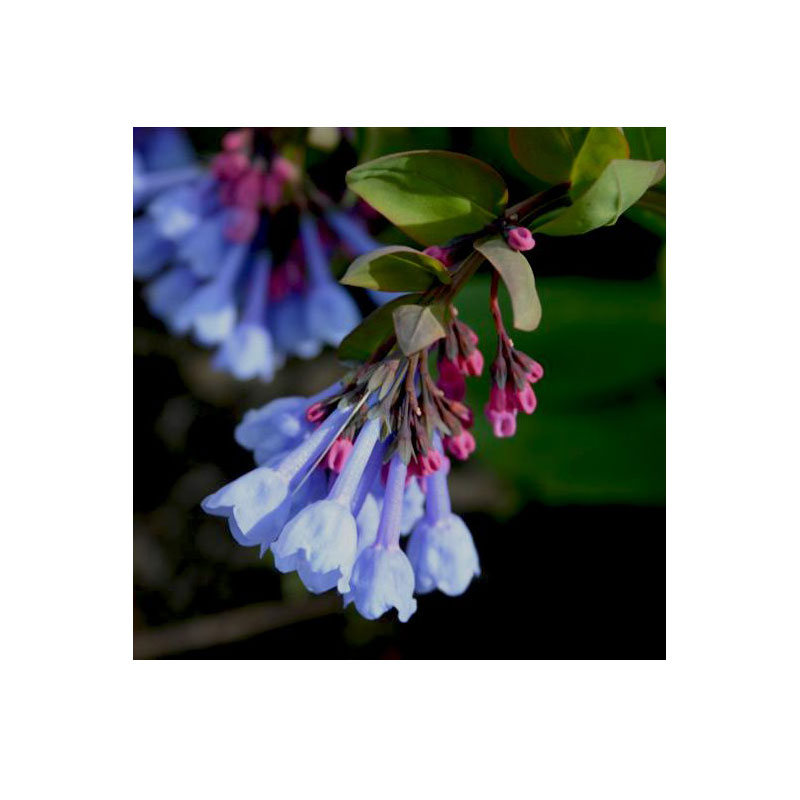
Mertensia Virginia Bluebells: The Essential Spring Ephemeral
Mertensia Virginia bluebells, a native treasure of the American woodland, is the most enchanting early-season perennial we offer at our Mundelein nursery. For homeowners in Highland Park or Highwood looking to recreate the magic of a local forest floor, this plant is an absolute necessity. Its soft, blue-green foliage and clusters of bell-shaped flowers—which transition from pink buds to sky-blue blossoms—make it a premier performer in any North Suburb garden where spring elegance is the priority.
Performance in Northern Illinois Soil
This perennial is remarkably hardy in our Zone 5b climate and is perfectly adapted to the heavy, moisture-rich soils of the Midwest. While many garden plants struggle with the dense, damp clay found throughout the region, Mertensia Virginia bluebells thrive in it, provided the site mimics its natural forest habitat. It is particularly successful in the established, shaded landscapes of Highwood, where the soil remains cool and rich with organic matter from fallen leaves. In Highland Park, these plants act as a reliable "spring herald," emerging from the earth as soon as the frost breaks to provide a massive wash of color before the summer canopy fully fills in.
Size, Spacing, and Growth Habit
Planning for the rapid spring growth and subsequent summer dormancy of this plant is key to a successful shade garden:
-
Average Height: At peak bloom, the arching flower stems typically reach 18 to 24 inches tall.
-
Average Width: Each individual clump forms a soft, mounded footprint of 12 to 18 inches wide.
-
Spacing Requirements: To create a naturalized "carpet" effect, space plants 12 inches apart. Because they disappear in summer, they can be planted quite close to later-emerging perennials.
Why this Native is a Practical Local Choice
In the North Suburbs, this group of perennials serves as a reliable source of early-season color and ecological support, solving several specific challenges:
-
Unmatched Color Transition: The visual shift from pink buds to true blue flowers provides a dynamic and sophisticated look that few other spring plants can match.
-
Vital Early Pollinator Food: As one of the first flowers to open in April, Mertensia Virginia bluebells provide a critical nectar source for queen bumblebees and early butterflies.
-
Deer and Rabbit Resistance: Despite their delicate appearance, these plants are rarely targeted by local wildlife, making them a safe choice for gardens near wooded areas.
-
Self-Seeding Potential: If left undisturbed, they will gently self-seed over time, creating a larger and more impressive display each passing year without becoming invasive.
Planting and Maintenance Advice
To ensure your plant remains a vibrant part of your landscape and returns with vigor each spring, follow these straightforward care steps:
-
Embrace Summer Dormancy: This is the most critical factor. By mid-June, the foliage will turn yellow and disappear completely. Do not assume the plant has died; it is simply going dormant to survive the summer heat.
-
Mark the Planting Spot: Because the plant vanishes for most of the year, use a small stake or a permanent marker so you do not accidentally dig it up when planting summer annuals.
-
Prioritize Shade and Moisture: While they can handle some morning sun, they require partial to full shade and consistent moisture during their active growing phase in the spring.
-
Minimal Fertilizer: These plants prefer "natural" feeding. A layer of shredded leaves or compost applied in the fall mimics the forest floor and provides all the nutrients they need.
-
Fall Planting is Best: While we sell them in pots in the spring, they are most successfully established when planted as dormant roots in the autumn, allowing them to settle in before the spring rush.
Frequently Asked Questions (Lake County Edition)
Can I move them while they are blooming?
It is not recommended. Their roots are quite fleshy and brittle. If you must move them, wait until the foliage has completely died back in early summer.
Will they grow under my oak trees?
Yes! They are the perfect solution for the dry shade found under large oaks, as they complete their entire life cycle while the trees are still relatively leafless in the spring.
Visit The Country Bumpkin Garden Center
We are located at the corner of Gilmer Rd & Hawley St in Mundelein. Stop by to see the incredible spring display of Mertensia Virginia bluebells in person and find the right spot for them in your woodland garden. We are proud to be a local resource for gardeners across Mundelein, Highland Park, and the surrounding communities.
Call (847) 566-2176 or Send a Message to check current availability.
Varieties: Virginica
See: Perennials
Category: Shade Perennials - Shade Plants - Shady Plants - Virginia Bluebells near me - Mertensia