lenten rose
Christmas Rose - Winter Rose - Lenten Rose - Helleborus
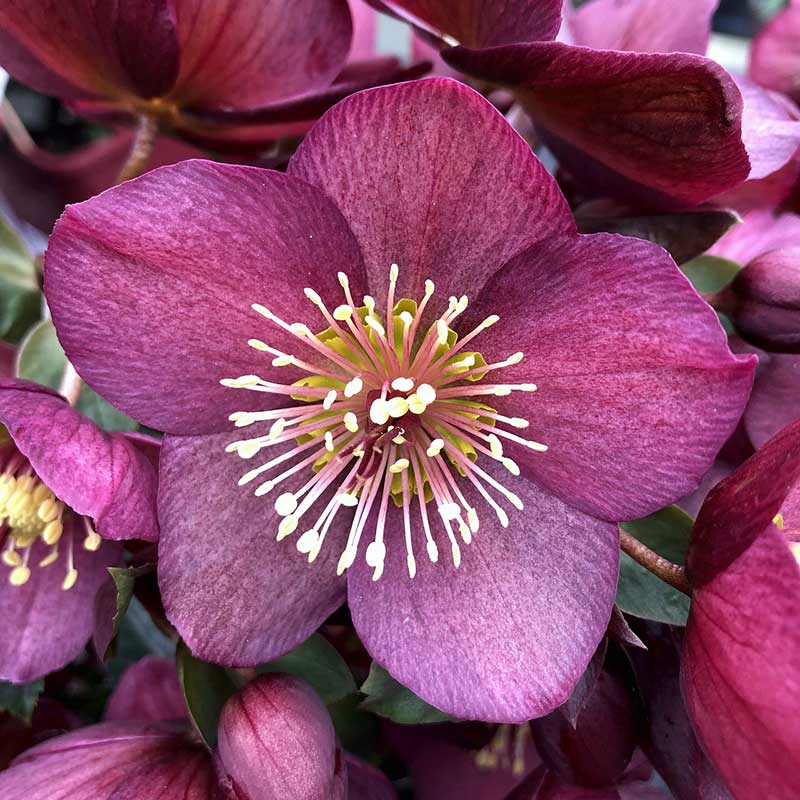
Lenten Rose (Helleborus): The Earliest Color for Lake County
Helleborus, more commonly known as the lenten rose, is the most resilient and early-blooming perennial we offer at our Mundelein nursery. For homeowners in Kildeer or Knollwood looking to bridge the gap between the winter thaw and the arrival of spring bulbs, this plant is an essential choice. Its ability to bloom while snow is still on the ground and its remarkably tough, evergreen foliage make it a premier performer in any shaded Northern Illinois landscape.
Performance in Northern Illinois Soil
This perennial is exceptionally hardy in our Zone 5b climate. While many early flowers struggle with the heavy, cold clay found throughout the region, a well-sited lenten rose thrives in it. It is particularly successful in the established, wooded neighborhoods of Kildeer, where it can handle the transition from a frozen winter to a wet, muddy spring. These plants have a deep, vigorous root system that allows them to remain anchored and healthy even in the dense soil common across Lake County.
For the best results, plant it in partial to full shade. To maintain its thick, leathery leaves and maximize flower production, the plant needs a spot protected from the harshest winter winds. In Knollwood, where many properties feature shaded north-facing foundations or mature oak canopies, these plants act as a durable living carpet that provides interest when the rest of the garden is still dormant.
Why Hellebores are a Practical Local Choice
In the North Suburbs, this group of perennials serves as a reliable "first responder" for the garden, solving several specific challenges:
-
Unbeatable Bloom Timing: True to its name, the lenten rose often begins blooming in late February or March, providing vital color and a nectar source for early-emerging pollinators in Kildeer.
-
Absolute Deer and Rabbit Resistance: The thick, leathery leaves are chemically protected and physically tough, making them one of the few plants that local wildlife will completely ignore.
-
Low Maintenance Requirements: Once established, it is remarkably drought-tolerant for a shade plant and can live for decades without needing to be moved or divided.
-
Evergreen Foliage: The dark green, hand-shaped leaves persist through the winter, providing much-needed structure and color against the grey Illinois landscape in Knollwood.
Planting and Maintenance Advice
To ensure your lenten rose remains a vibrant focal point and produces an abundance of its unique, nodding flowers year after year, follow these straightforward care steps:
-
The Late Winter Pruning: This is the most critical maintenance task. In late February or early March, cut off the tattered, winter-worn leaves from the previous year. This clears the way for the new flower stalks and fresh green foliage to emerge.
-
Prioritize Drainage: While they love moisture, they will rot if they sit in stagnant water during the spring thaw. Planting in a slightly mounded bed or a sloped woodland edge is a great strategy in Kildeer.
-
Establishment Watering: During its first year in your Knollwood garden, ensure it receives regular deep watering to help those deep roots anchor into the local clay.
-
Mulching: Apply a thin layer of leaf mold or shredded bark mulch around the base to retain moisture and keep the soil temperature stable during our volatile spring weather.
-
Minimal Fertilizer: These are light feeders. A simple top-dressing of organic compost in the spring provides all the energy a lenten rose needs to thrive.
Reliable Companion Plants for our Area
To create a pleasant, multi-layered look in the garden, consider pairing Lenten Rose with these specific varieties:
-
Epimedium: Often called Barrenwort, these plants are excellent companions because they share a love for the dry shade found under mature trees. The delicate, heart-shaped leaves and wiry stems of Epimedium provide a soft, airy texture that contrasts beautifully with the thick, leathery, evergreen foliage of the Lenten Rose.
-
Hostas: As the early spring blooms of the Lenten Rose begin to fade, the broad, bold leaves of Hostas emerge to provide a massive structural anchor. The wide variety of Hosta colors—from chartreuse to deep blue-gray—allows you to highlight the subtle spotting or unique petal tones of your Lenten Rose.
-
Japanese Painted Fern: For a sophisticated color palette, the silvery-gray and burgundy-tinted fronds of this fern offer a stunning visual counterpoint to the deep greens of the Lenten Rose. Both plants thrive in dappled light and moist, organic soil, creating a cool and tranquil woodland display.
-
Amsonia: This pairing offers interest across multiple seasons. In late spring, the sky-blue flower clusters of Amsonia provide a cool color contrast to the emerging seed pods of the Lenten Rose. By autumn, the fine-textured foliage of the Amsonia turns a brilliant golden-yellow, providing a vibrant backdrop for the Lenten Rose's persistent green leaves.
Frequently Asked Questions (Lake County Edition)
Why are the flowers nodding?
The downward-facing blooms of the lenten rose are a natural defense, protecting the pollen from the heavy rain and snow common in a Northern Illinois spring.
Is it really evergreen?
Yes, though the leaves can look a bit "flat" or scorched after a particularly brutal January. Cutting them back in March reveals the fresh growth underneath in your Knollwood yard.
Visit The Country Bumpkin Garden Center
We are located at the corner of Gilmer Rd & Hawley St in Mundelein. Stop by to see the incredible variety of colors—from pure white to deep slate purple—and find the right variety for your shaded borders. We are proud to be a local resource for gardeners across Mundelein, Kildeer, and the surrounding communities.
Call (847) 566-2176 or Send a Message to check current availability.
_________________________________________________________________________
Varieties: Orientalis (toxic).
Image: Lenten Rose.
See: Perennials
Category: Shade Perennials - Shade Plants - Shady Plants - Lenten Rose near me - Helleborus