lead plant
Amorpha Canescens - False Indigo - Lead Plant - Leadplant
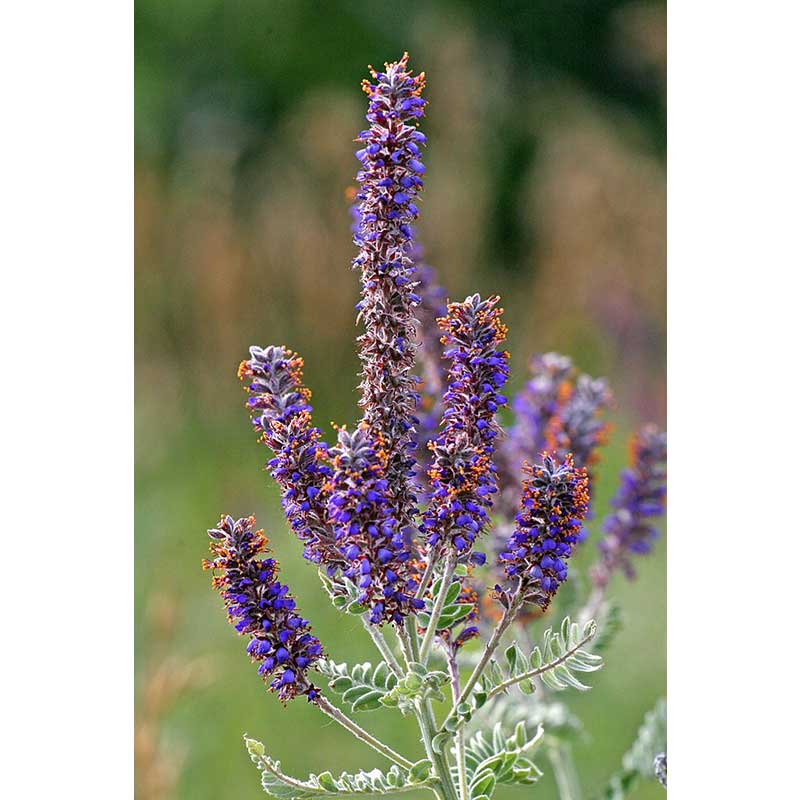
Lead Plant (Amorpha canescens): Deep-Rooted Native Shrub for Lake County
Amorpha canescens, commonly known as Lead Plant, is a long-lived native sub-shrub that we highly recommend for sustainable landscapes in Mundelein and Wauconda. If you are looking for a plant that actually improves the soil it grows in while providing unique silvery foliage, this is one of the most practical native species to include in your garden.
Performance in Northern Illinois Soil
This species is famously tough and well-adapted to the Zone 5b climate. While many nursery plants struggle with the heavy glacial clay found throughout Lake County, Lead Plant thrives in it. It belongs to the legume family, which means it "fixes" nitrogen in the dirt, naturally improving the fertility of the surrounding area without the need for chemical fertilizers.
For the best results, it should be planted in full sun, receiving at least 6 to 8 hours of direct light. In shaded Libertyville or Vernon Hills yards, it will grow slowly and may not produce its signature purple flower spikes as vigorously. It is an ideal choice for open, sunny prairies or hillside plantings where many other shrubs might suffer from wind or heat.
Why this Native Shrub is a Practical Local Choice
In Lake County, this native species serves as a permanent, low-maintenance fixture in the landscape, solving several specific gardening challenges:
-
Extreme Drought Tolerance: Once established, it develops a massive root system that can reach up to 15 feet deep. This allows the plant to stay lush and green during a hot Illinois July when surrounding grass has gone dormant.
-
Natural Wildlife Resistance: The fine, grey hairs on the foliage make it unappealing to the deer and rabbits that frequent properties near the Lakewood Forest Preserve or the Des Plaines River Trail.
-
High Pollinator Value: In mid-summer, the Lead Plant produces striking purple spikes with bright orange anthers. These are a primary nectar source for local bees and a host plant for several rare butterfly species found in the North Suburbs.
-
Longevity: This is not a "quick fix" plant that will die out in a few years. It is a slow-growing but permanent addition to the garden, often living for decades once it settles into your soil.
Planting and Maintenance Advice
To ensure your Lead Plant settles in and thrives for years to come in this region, follow these straightforward care steps:
-
Be Patient with Growth: Because it puts so much energy into developing its deep root system, it may grow slowly for the first two years. Once the roots are set, the top growth will become more robust.
-
Avoid Moving Once Planted: Due to the depth of the roots, this species does not transplant well. Choose a permanent spot in your Mundelein or Lake Zurich garden where it can stay undisturbed for its entire life.
-
Pruning: In early spring, you can prune the woody stems back to about 6 to 12 inches from the ground. This encourages fresh, silvery growth and a more compact, mounded shape.
-
Minimal Watering: After the first full growing season, you should rarely need to water a Lead Plant. It is designed by nature to survive the wet-dry cycles of Northeastern Illinois without intervention.
-
Mulching: Use a light layer of wood mulch to keep weeds down while the plant is young, but avoid heavy, moisture-retaining mulches directly against the stems.
Reliable Companion Plants for our Area
To create a beautiful, "prairie-style" garden, we suggest pairing this shrub with these other durable plants from The Country Bumpkin:
-
Little Bluestem: The blue-green summer blades and orange fall color of this grass complement the silvery foliage perfectly.
-
Purple Coneflower (Echinacea): These share the same love for deep sun and provide a classic Midwest aesthetic.
-
Prairie Dropseed: A fine-textured grass that creates a soft "skirt" around the base of the shrub.
Frequently Asked Questions (Lake County Edition)
Is this considered a shrub or a perennial in Mundelein?
It is technically a "sub-shrub." The base stays woody while the upper stems may die back slightly in a harsh winter. In our area, we treat it like a very sturdy, woody perennial.
Why is it called by this name?
Local legend suggested the plant was an indicator of lead in the soil, but it actually gets its name from the leaden-grey color of its foliage, which is covered in tiny silver hairs.
Visit The Country Bumpkin Garden Center
We are located at the corner of Gilmer Rd & Hawley St in Mundelein. Stop by to see this unique native species and learn more about how it can improve your soil. We are proud to be a local resource for gardeners across Mundelein, Wauconda, Libertyville, and Lake County.
Call (847) 566-2176 or Send a Message to check current availability.
Image: USFWS Mountain-Prairie, Public domain, via Wikimedia Commons
See: Perennials
Category: Sun Perennials - Sun Plants - Sunny Plants - Lead Plant near me - Amorpha Canescens