deutzia gracilis
Japanese Snow Flower - Slender Deutzia
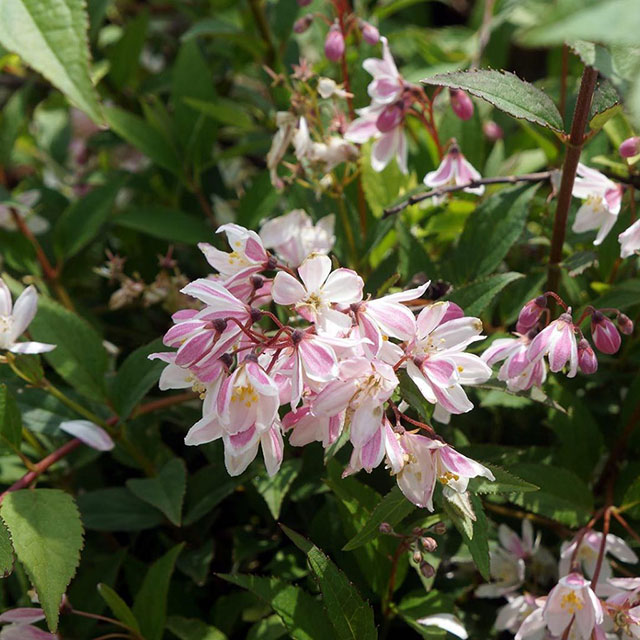
Japanese Snow Flower: A Prolific Spring-Blooming Shrub for the Illinois Landscape
Japanese snow flower (Deutzia gracilis), a deciduous flowering shrub in the Hydrangeaceae family, is a durable landscape element available at our Mundelein nursery. For homeowners in Highland Park or Hawthorn Woods looking to add a dense, low-growing floral display and a manageable structural presence to their properties, this species is a functional choice. Its ability to produce a high volume of white, bell-shaped blossoms and its resilience in various Midwest soil conditions make it a steady performer in any North Suburb garden where seasonal transitions and reliable garden definition are the primary goals.
Performance in Northern Illinois Soil
This species is hardy in our Zone 5b climate and is a representative selection for residential foundation plantings, rock gardens, and low-entry borders. While many ornamental shrubs struggle with the heavy, unyielding clay and variable drainage found throughout the region, the Japanese snow flower grows well in it, demonstrating a particular tolerance for the alkalinity typical of Lake County landscapes. It is successful in the established, often partially shaded landscapes of Hawthorn Woods, where its root system can anchor firmly in cool, mulched soil. In Highland Park, these plants act as a durable architectural staple, emerging with clean, lance-shaped green leaves in the spring that provide a lush backdrop for the iconic white blossoms that follow in May.
Size, Spacing, and Growth Habit
Planning for the mounded and arching nature of this shrub ensures it provides the intended visual mass without requiring excessive maintenance or being easily crowded out by larger, more aggressive species:
-
Standard Slender Deutzia: Typically reaches 2 to 4 feet tall and 3 to 4 feet wide, featuring a graceful, arching habit that often touches the ground.
-
Compact Varieties (e.g., 'Nikko'): These typically reach 1 to 2 feet tall and 2 to 5 feet wide, making them an ideal functional choice for a groundcover or the front of a shrub border.
-
Intermediate Varieties (e.g., 'Yuki Cherry Blossom'): Reach 1 to 2 feet tall and 2 to 3 feet wide, known for a more mounded, tidy silhouette and pink-tinted flowers.
-
Spacing Requirements: To create a solid flowering border or a continuous mass planting, space plants at a distance equal to their mature width. For the lower-growing 'Nikko' variety, spacing of 2 to 3 feet is commonly utilized to achieve a dense, interlocking carpet that effectively suppresses weeds.
Characteristics of Japanese Snow Flower
In the North Suburbs, this group of shrubs serves as a source of early-season interest and structural support, addressing several specific gardening requirements:
-
Massed Spring Blooms: The plant produces hundreds of small, five-petaled white flowers that cover the stems almost entirely. This characteristic is commonly utilized to provide a high-impact focal point during the mid-to-late spring window, often appearing as a "drift of snow" in the landscape.
-
Fine Foliage Texture: The leaves are relatively small and narrow with serrated edges. This characteristic is commonly utilized to provide a soft, delicate textural element that balances the look of larger-leaved plants like Hydrangeas or Viburnums.
-
Dynamic Autumn Color: In the fall, the dark green leaves often transition to shades of burgundy or deep purple. This provides a late-season visual anchor before the leaves drop for the winter.
-
Deer Resistance: Due to its specific leaf texture and woody stems, it is commonly avoided by deer, making it a practical choice for properties that experience moderate wildlife pressure.
-
Arching Architectural Form: The branches naturally curve toward the ground as they age, creating a layered, fountain-like appearance. This is a functional benefit for planting along the tops of retaining walls or on gentle slopes.
Planting and Maintenance Advice
To ensure your shrub remains healthy and produces a prolific amount of flowers each year, follow these straightforward care steps:
-
Light Exposure: Japanese snow flower is adaptable to light. While it grows best and flowers most profusely in full sun (at least 6 hours), it can tolerate partial shade. In our region, a location with morning sun and some afternoon relief is often ideal for preventing leaf scorch during a dry August.
-
Pruning Timing: Because the plant sets its flower buds on the wood produced in the previous year (old wood), the best time to prune for shape is immediately after the flowers fade in the spring. A practical maintenance strategy is to remove a few of the oldest, largest stems at ground level every few years to stimulate fresh growth from the base.
-
Soil and Drainage: While it is adaptable to clay, the plant will not tolerate stagnant, standing water. In our heavy clay soil, ensure the planting site is well-drained. Proper drainage is a mechanical necessity to prevent root rot.
-
Minimal Fertilization: It grows best in average soil and does not require heavy feeding. A light top-dressing of compost or a balanced slow-release fertilizer in the spring is sufficient for its nutrient needs.
-
Consistent Moisture: While established plants can handle some drought, this shrub thrives with consistent moisture. During the dry weeks of August, regular supplemental irrigation is a functional necessity to maintain the health of the foliage and the development of next year's flower buds.
Frequently Asked Questions (Lake County Edition)
Why isn't my Japanese snow flower blooming?
The most common cause is pruning at the wrong time of year. If the plant is pruned in late fall or early spring, the flower buds are removed before they can open. Another factor can be insufficient sunlight, which leads to fewer flowers and a more open, leggy habit.
How do I manage the "leggy" appearance of an older shrub?
As the shrub ages, the interior can become thin. Performing a rejuvenation pruning—where you remove one-third of the oldest branches at ground level—is a practical way to encourage new, flowering wood to grow from the center of the plant.
Visit The Country Bumpkin Garden Center
We are located at the corner of Gilmer Rd & Hawley St in Mundelein. Stop by to see the unique arching form and experience the spring color of Japanese snow flower in person and find the right fit for your landscape. We are a local resource for gardeners across Mundelein, Highland Park, Hawthorn Woods, and the surrounding communities.
Call (847) 566-2176 or Send a Message to check current availability.
Image: Yuki Cherry Blossom
See: Shrubs and Roses
Category: Sun Perennials - Sun Plants - Sunny Plants - Shrubs - Deciduous Shrubs - Deutzia near me - Yuki Cherry Blossom