epimedium
Barrenwort - Bishop's Hat - Fairy Wings - Epimedium
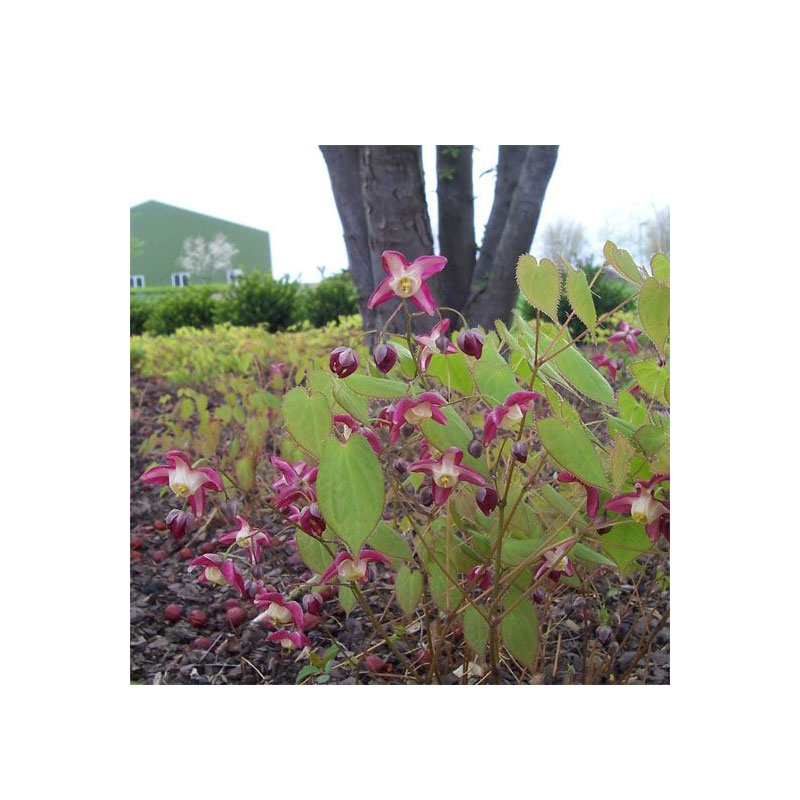
Epimedium (Barrenwort): The Ultimate Groundcover for Dry Shade
Epimedium, widely known as Barrenwort or Bishop’s Hat, is perhaps the most underrated shade perennial we offer at our Mundelein nursery. For homeowners in Bannockburn or Beach Park looking for a plant that can thrive in the "difficult" soil underneath mature trees, this genus is an essential choice. Its delicate, spider-like spring flowers and incredibly tough, heart-shaped foliage make it a premier performer in any North Suburb garden where other plants struggle to grow.
Performance in Northern Illinois Soil
This perennial is remarkably hardy in our Zone 5b climate. While many shade plants like Hostas or Astilbe require consistent moisture, a well-sited epimedium is famous for its ability to tolerate dry shade once established. It is particularly successful in neighborhoods like Bannockburn, where large oak and hickory canopies create "root competition" that sucks moisture from the ground. These plants have a wiry, persistent root system that allows them to find hydration in heavy clay or rocky soils where more delicate species would wilt.
For the best results, plant it in partial to full shade. While it is incredibly adaptable, the early spring flowers are best appreciated in a spot protected from the harsh, drying winds common in Beach Park. Once the flowers fade, the foliage creates a dense, overlapping canopy that remains attractive through the entire growing season and often well into the winter.
Why Barrenwort is a Practical Local Choice
In the North Suburbs, this group of perennials serves as a long-lived problem-solver for shaded landscapes, solving several specific challenges:
-
Superior Deer and Rabbit Resistance: The leathery texture of the mature leaves makes epimedium virtually immune to the wildlife that frequently grazes on other shade perennials in Bannockburn.
-
Excellent Erosion Control: Because it spreads slowly via underground rhizomes to form a tight, weed-suppressing mat, it is an ideal choice for shaded slopes or woodland edges.
-
Multi-Season Color: Many varieties feature new spring growth tinted with bronze or red, followed by delicate flowers, and eventually a second flush of bronze-red tones in the autumn.
-
Low Maintenance Requirements: Once it has finished its first two years in your Beach Park garden, it requires almost zero supplemental watering or attention to remain healthy.
Planting and Maintenance Advice
To ensure your epimedium creates a lush, dense carpet and produces an abundance of its unique flowers year after year, follow these straightforward care steps:
-
The Late Winter Mow: This is the most critical maintenance task. Before the new flower stalks emerge in March or early April, cut the old, tattered foliage from the previous year back to the ground. This allows the delicate blooms to be seen clearly without the distraction of winter-worn leaves.
-
Establishment Watering: While the plant is drought-tolerant when mature, you must provide regular water during its first year in your Bannockburn garden to help those wiry roots anchor into our local clay.
-
Mulching: Apply a thin layer of leaf mold or shredded bark mulch around the base to help retain what little moisture is available under your trees.
-
Division: They rarely need to be divided and generally prefer to be left undisturbed. If you wish to expand your patch in Beach Park, dig and divide the clumps in early autumn after the summer heat has broken.
-
Minimal Fertilizer: These are "light feeders." A simple top-dressing of organic compost in the spring is all the energy they need to thrive.
Reliable Companion Plants for our Area
To create a pleasant, multi-layered look in the garden, consider pairing Epimedium with these specific varieties:
-
Hellebores: These are excellent companions as both are among the first to wake up in the spring. The sturdy, evergreen foliage of Hellebores provides a strong structural contrast to the delicate, dancing flowers and heart-shaped leaves of the Epimedium. Both thrive in the dry shade often found under mature trees.
-
Hostas: As the Epimedium flowers fade, its attractive, often mottled foliage serves as a beautiful ground-level filler around the emerging spears of Hostas. The broad, bold leaves of Hostas offer a massive textural difference against the fine, wiry stems of the Epimedium.
-
Japanese Painted Fern: The silvery, burgundy-tinted fronds of this fern provide a stunning color contrast to the green or bronze tones of Epimedium leaves. Both plants enjoy dappled light and organic soil, creating a sophisticated and cool-toned woodland display.
-
Wild Ginger: This low-growing native groundcover offers a lush, matte-green canopy of heart-shaped leaves. When planted together, the Wild Ginger creates a thick, weed-suppressing carpet that allows the taller, airy flower stalks of the Epimedium to rise up and stand out.
Frequently Asked Questions (Lake County Edition)
Is it slow growing?
Yes. Epimedium is a plant for the patient gardener. It may take 3 years to form a solid clump, but once established in your Bannockburn yard, it can live for decades without needing any attention.
Why did my plant not bloom?
The most common reason is not cutting back the old foliage in early spring. The tiny flowers can easily be hidden or smothered by the old, leathery leaves if they aren't cleared away in time.
Visit The Country Bumpkin Garden Center
We are located at the corner of Gilmer Rd & Hawley St in Mundelein. Stop by to see the incredible leaf patterns and delicate "fairy wing" flowers of the epimedium for yourself. We are proud to be a local resource for gardeners across Mundelein, Beach Park, and the surrounding communities.
Call (847) 566-2176 or Send a Message to check current availability.
_________________________________________________________
Varieties: Barrenwort Red.
Image: Red Barrenwort
See: Perennials
Category: Shade Perennials - Shade Plants - Shady Plants - Epimedium near Long Grove and Hawthorn Woods, IL - Red Barrenwort