cornus
Cornus alba - Dogwood - Red-Barked Dogwood - Siberian Dogwood
Cornus Dogwood: A Versatile Woody Genus for Illinois Landscapes
Cornus dogwood, a diverse genus of deciduous shrubs and small trees, is a foundational element in Midwest horticulture available at our Mundelein nursery. For homeowners in Island Lake or Woodstock looking to add seasonal transitions—ranging from spring blossoms and summer berries to vibrant winter stem color—this genus is a functional choice. Its ability to adapt to various soil moisture levels and its wide range of growth habits make it a steady performer in any North Suburb garden where multi-seasonal interest and structural variety are the primary goals.
Performance in Northern Illinois Soil
This genus is hardy in our Zone 5b climate and is a representative selection for residential foundation plantings, screening hedges, and naturalized thickets. While many ornamental shrubs struggle with the heavy, unyielding clay found throughout the region, the shrub-form Cornus dogwood (such as the Red Twig or Silky varieties) grows well in it, demonstrating a particular tolerance for moisture-retentive soils. It is successful in the low-lying or shaded landscapes of Woodstock, where it can handle the damp conditions of early spring. In North Barrington, these plants act as a durable architectural staple, emerging with clean, oval leaves and distinctive veining that remain attractive throughout the growing season.
Size, Spacing, and Growth Habit
Planning for the mature dimensions of a dogwood depends heavily on whether you are planting a tree-form or a shrub-form variety. Understanding these differences is essential for proper placement:
-
Shrub-Form Dogwoods (e.g., Cornus alba, Cornus sericea): These typically reach 6 to 10 feet tall and 6 to 10 feet wide. They often have a multi-stemmed, spreading habit.
-
Tree-Form Dogwoods (e.g., Cornus mas, Cornus alternifolia): These can reach 15 to 25 feet tall and 15 to 20 feet wide, often developing a layered, horizontal branching pattern.
-
Spacing Requirements: For a continuous privacy screen or a mass planting of shrub dogwoods, space plants 5 to 8 feet apart from center to center. For specimen trees, ensure a 15-foot radius from buildings or larger canopy trees to allow the horizontal branching to develop fully.
Characteristics of Cornus Dogwood
In the North Suburbs, this group of plants serves as a source of seasonal transitions and wildlife support, addressing several specific gardening requirements:
-
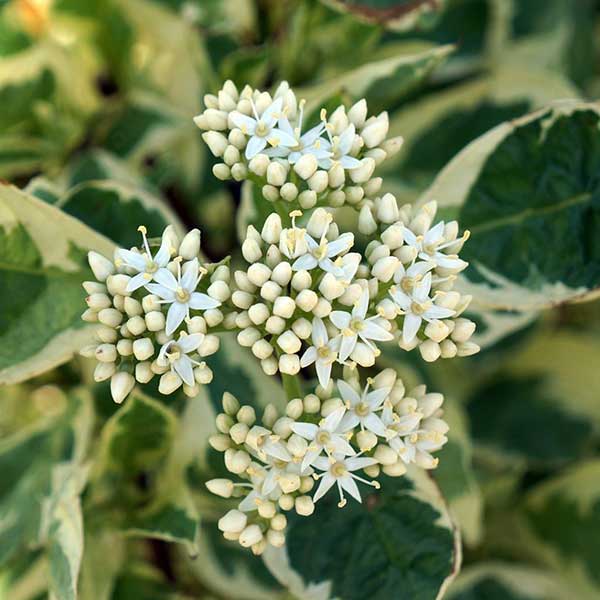
Varied Floral Displays: Depending on the species, dogwoods produce either large, showy bracts (like the Pagoda dogwood) or clusters of small white flowers known as cymes (like the Red Twig dogwood). This characteristic is commonly utilized to provide visual interest in the mid-to-late spring.
-
Vibrant Winter Stem Color: Shrub-form dogwoods are prized for their bark, which can turn brilliant shades of red, yellow, or coral in the winter. This provides a stark color contrast against the white snow of a Lake County January.
-
Wildlife and Pollinator Value: The flowers provide nectar for native bees, while the berries that follow—ranging in color from white and blue to red—are a primary food source for over 90 species of birds in the Midwest.
-
Layered Architectural Form: The Pagoda dogwood (Cornus alternifolia) is known for its "tiered" horizontal branching, which adds a sophisticated structural element to shaded woodland gardens.
Planting and Maintenance Advice
To ensure your plant remains healthy and produces the best stem color or floral display each year, follow these straightforward care steps:
-
Light Exposure: Most dogwoods prefer partial shade, especially protection from the intense afternoon sun. However, the shrub-form varieties with colorful winter bark require more sunlight (at least 4 to 6 hours) to develop the most intense red or yellow stem pigment.
-
Rejuvenation Pruning: For Red Twig or Yellow Twig dogwoods, the brightest color occurs on the youngest stems. A practical maintenance strategy is to remove one-third of the oldest, largest stems at ground level every spring. This encourages the plant to produce fresh, brightly colored growth.
-
Consistent Moisture: Dogwoods are not drought-tolerant. They are a functional choice for damp spots or edges of rain gardens. During dry summer weeks, regular supplemental irrigation is necessary to prevent "leaf scorch," where the edges of the leaves turn brown and crisp.
-
Soil and Mulching: Maintaining a 3-inch layer of organic mulch around the root zone is essential. This keeps the soil cool and helps retain the moisture levels that the shallow root systems of Cornus dogwood require.
-
Disease Management: While generally hardy, some varieties can be susceptible to cankers or leaf spot in humid conditions. Ensuring good airflow through proper spacing and avoiding overhead watering are effective preventative measures.
Frequently Asked Questions (Lake County Edition)
Why aren't my dogwood stems red anymore?
As the stems of Red Twig dogwoods age, the bark naturally turns a duller grey-brown. Regular pruning to remove old wood and stimulate new growth is the only way to maintain the vibrant winter color.
Can I grow the Flowering Dogwood (Cornus florida) here?
While Cornus florida is iconic, it can be temperamental in Zone 5b. We often recommend the Pagoda Dogwood or the Cornelian Cherry Dogwood as more resilient alternatives for our specific Northern Illinois climate.
Visit The Country Bumpkin Garden Center
We are located at the corner of Gilmer Rd & Hawley St in Mundelein. Stop by to see the various forms of Cornus dogwood in person—from the architectural Pagoda dogwood to the vibrant 'Arctic Fire' Red Twig—and find the right fit for your landscape. We are a local resource for gardeners across Mundelein, Park City, and the surrounding communities.
Call (847) 566-2176 or Send a Message to check current availability.
Varieties: Ivory Halo, Neon Burst, Radiant Rose, Summer Gold
See: Shrubs and Roses
Category: Sun Perennials - Sun Plants - Sunny Plants - Shrubs - Deciduous Shrubs - Dogwood near me - Cornus