columbine
Aquilegia - Columbine - Granny's Bonnet
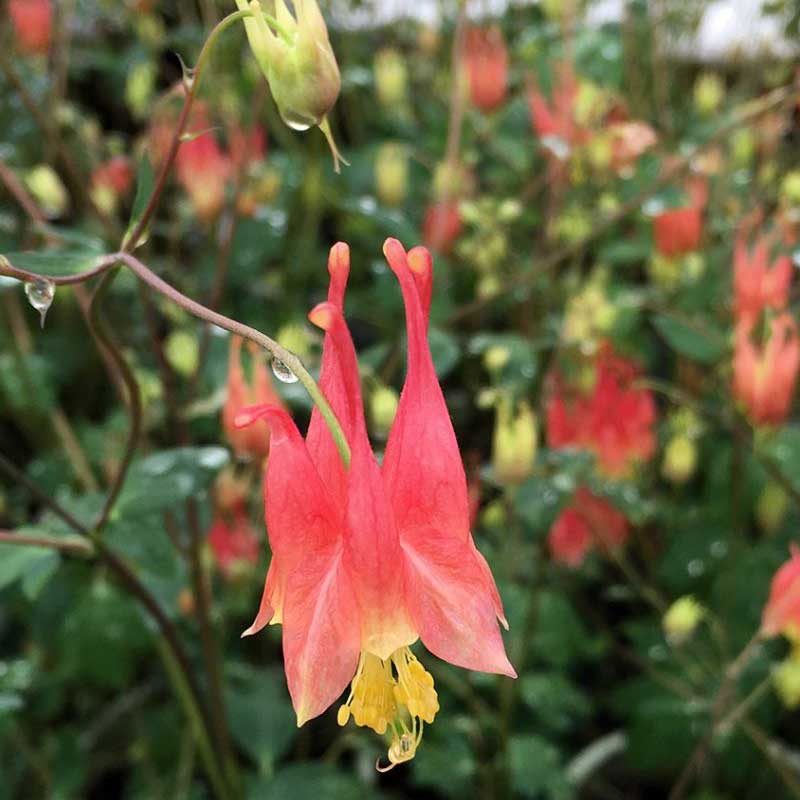
Columbine (Aquilegia): Early-Season Color for Lake County Shade
Aquilegia, more commonly known as columbine, is a delicate-looking but resilient perennial that we highly recommend for early-spring interest. If you are a homeowner in Mundelein or Hawthorn Woods looking to add vertical color to a partially shaded garden bed before the summer heat kicks in, this is one of the most practical and rewarding plants to choose.
Performance in Northern Illinois Soil
While many spring flowers require perfectly drained sandy soil, most varieties of columbine are surprisingly adaptable to the heavy clay found throughout Lake County. In neighborhoods like Grayslake and Deer Park, these plants thrive in the rich, moist soil often found near wooded property lines. They are particularly valued for their ability to handle our "yo-yo" spring temperatures, where a 70-degree afternoon is followed by a frosty night.
For the best results, plant your columbine in partial shade. While they can handle full sun in the cool weeks of May, the intense July sun in Wauconda or Libertyville can cause the foliage to go dormant early if they aren't protected by the shadow of a tree or a taller shrub.
Why this Spring Favorite is a Practical Local Choice
In Lake County, this unique perennial serves as a vital bridge between early bulbs and summer lilies, solving several specific gardening challenges:
-
Pollinator Magnet: The distinctive "spurred" flowers are a primary nectar source for early-season hummingbirds and bumblebees in the North Suburbs.
-
Deer and Rabbit Resistance: Despite its dainty appearance, the foliage of a columbine contains natural compounds that make it unappealing to the wildlife frequenting properties near the Lakewood Forest Preserve.
-
Self-Seeding Potential: While individual plants may only live for 3 to 5 years, they drop seeds that will grow into new plants the following spring. This allows a small patch to naturally colonize a shaded corner of your Grayslake garden over time.
-
Intricate Blooms: The flowers come in a massive range of bi-colors, from soft pastels to deep purples, providing a level of detail that stands out in foundation plantings.
Planting and Maintenance Advice
To ensure your columbine remains healthy and continues to reappear in your landscape, follow these straightforward care steps:
-
Manage Leaf Miners: In late June, you might see winding white lines on the leaves. This is caused by a tiny insect. Simply snip off the affected foliage; the plant will usually send up a fresh, clean flush of green leaves shortly after.
-
Deadheading: If you want to prevent the plant from spreading, cut the flower stalks back to the base once the blooms fade. However, if you want "free" plants next year, leave a few seed pods to ripen and pop naturally.
-
Soil Moisture: While they handle clay, they do not like to sit in stagnant water. In lower-lying areas of Mundelein or Lake Zurich, planting them in a slightly raised bed or on a slope is a practical way to ensure they don't rot over winter.
-
Summer Care: If the foliage begins to look yellow or tired during a hot August in Deer Park, don't be afraid to cut the whole plant back to the ground. It will often regrow a tidy mound of blue-green leaves before the first frost.
-
Division: Unlike many perennials, columbine has a taproot and does not like to be divided. It is much more effective to let them self-seed or buy fresh starts from the nursery.
Reliable Companion Plants for our Area
To create a pleasant, multi-layered look in the garden, consider pairing Columbine with these specific varieties:
-
Bleeding Heart (Lamprocapnos): These classic spring favorites share the same blooming window and light requirements. The arching stems and heart-shaped flowers of the Bleeding Heart provide a soft, romantic contrast to the intricate, spurred blooms of the Columbine.
-
Hostas: As Columbine foliage begins to fade after its spring show, the broad, structural leaves of hostas expand to fill the gap. Planting Columbine among hostas ensures the garden bed remains lush and full throughout the summer months.
-
Coral Bells (Heuchera): The vibrant, semi-evergreen foliage of Coral Bells creates a stunning ground-level color contrast against the delicate, clover-like leaves of the Columbine. Both plants thrive in the well-drained, dappled light environments found in local woodland gardens.
-
Ferns: The fine-textured, airy fronds of ferns like the Lady Fern or Japanese Painted Fern offer a natural, woodland backdrop. This pairing highlights the ethereal movement of Columbine flowers as they dance on their slender stems above the fern foliage.
Frequently Asked Questions (Lake County Edition)
Is this plant a native species?
There is a specific native variety (Aquilegia canadensis) that is red and yellow and grows wild in the forest preserves. We also carry many hybrid varieties that offer larger flowers and a wider range of colors.
Why did my plants disappear after three years?
They are "short-lived perennials." The original plant eventually wears out, but if you allow them to drop seeds, you will likely have new columbine plants in the same spot the following year.
Visit The Country Bumpkin Garden Center
We are located at the corner of Gilmer Rd & Hawley St in Mundelein. Stop by to see our current selection of colors and find the perfect spot for them in your shade garden. We are proud to be a local resource for gardeners across Mundelein, Wauconda, Grayslake, and Lake County.
Call (847) 566-2176 or Send a Message to check current availability.
Varieties: Little Lantern, Winky.
Image: Aquilegia canadensis ‘Little Lanterns’
See: Perennials
Category: Sun Perennials - Shade Perennials - Sun Plants - Sunny Plants - Columbine near me - Aquilegia