clematis
Clematis Vine
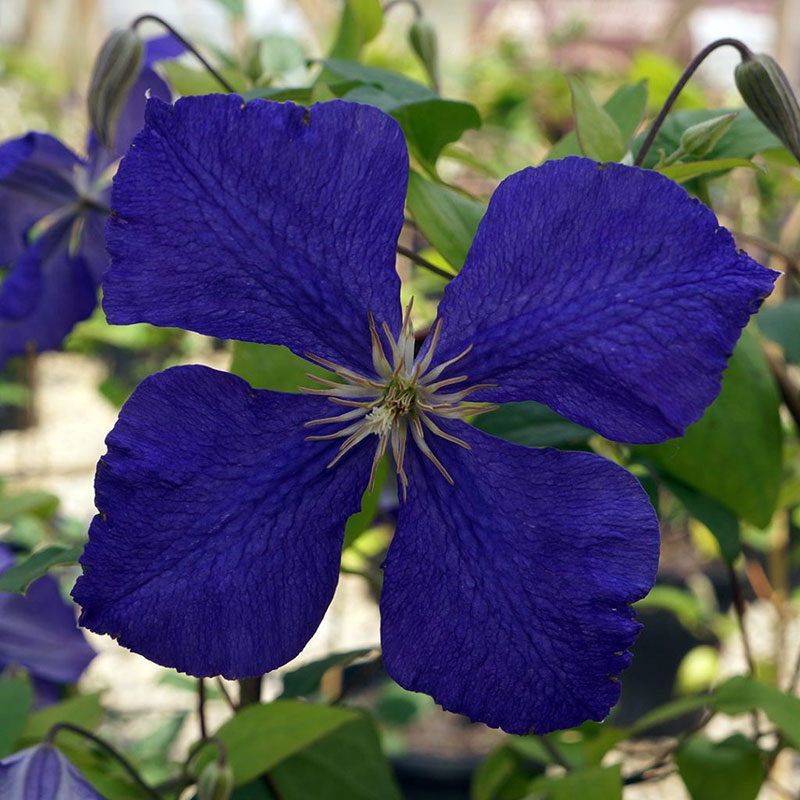
Clematis: The Queen of Climbers for Lake County Gardens
Clematis is widely regarded as the most elegant climbing vine we offer at our Mundelein nursery. For homeowners in Rondout or Round Lake looking to add vertical interest to their landscape with large, dramatic blooms, this genus is an essential choice. Whether you prefer the massive, dinner-plate flowers of the spring hybrids or the delicate, late-summer bells of the species types, this vine is a premier performer in any well-planned Northern Illinois garden.
Performance in Northern Illinois Soil
This perennial vine is exceptionally hardy in our Zone 5b climate. While many exotic climbers can be finicky about our weather, a well-sited clematis is remarkably durable once established. It is particularly successful in the rich, moisture-retentive soils found throughout the region, where it can handle the transition from a cool, wet spring to a humid Illinois summer. The plants famously prefer "cool feet and a warm head," meaning they thrive when their roots are shaded while their foliage basks in the sun.
For the best results, plant it in a spot that receives at least 6 hours of sunlight. In Rondout, where many properties feature a mix of sunny patios and shaded fence lines, these vines thrive when grown up a trellis that catches the morning and midday sun. Providing a thick layer of mulch or a low-growing groundcover at the base is a practical way to keep the root zone cool during the peak heat of July.
Why Clematis is a Practical Local Choice
In the North Suburbs, this group of vines serves as a high-impact vertical focal point, solving several specific gardening challenges:
-
Efficient Use of Space: Because it grows upward rather than outward, it is the perfect solution for adding color to small suburban lots in Round Lake where horizontal garden space may be limited.
-
Extensive Bloom Variety: With hundreds of cultivars available, you can find a variety that blooms in almost any month from May through September, allowing for a continuous vertical display.
-
Pollinator Magnet: The large, open flowers are a favorite for native bees and hummingbirds, providing a high-visibility nectar source in the heart of the garden.
-
Non-Aggressive Habit: Unlike some invasive vines, most varieties of clematis use twining leaf petioles to climb, meaning they won't damage your brickwork or siding as they grow.
Planting and Maintenance Advice
To ensure your clematis remains vigorous and produces an abundance of its iconic flowers year after year, follow these straightforward care steps:
-
Plant Deeply: When installing a new vine in your Rondout garden, plant it 2 to 3 inches deeper than it was in the nursery pot. This encourages the development of strong underground buds and protects the plant from "clematis wilt."
-
Know Your Pruning Group: This is the most critical maintenance factor. Some varieties bloom on "old wood" and should only be trimmed lightly after flowering, while others bloom on "new wood" and should be cut back hard in early spring.
-
Provide Proper Support: These vines need thin structures to grab onto, such as wire mesh, lattice, or thin wooden slats. If your trellis is too thick, the vine will struggle to climb without assistance.
-
Consistent Moisture: They are thirsty plants. Ensure they receive regular deep watering during dry spells, especially during their first two years in your Round Lake landscape.
-
Mulching: Apply a generous layer of wood mulch or decorative stones around the base to keep the soil temperature stable and retain vital moisture.
Reliable Companion Plants for our Area
To create a pleasant, multi-layered look in the garden, consider pairing Clematis with these specific varieties:
-
Roses: This is the most classic garden pairing. Climbing roses provide a sturdy, woody framework for Clematis vines to weave through, while shrub roses at the base help shade the "cool feet" that Clematis requires. The combination of large rose blooms with the diverse shapes of Clematis flowers creates a lush, romantic vertical display.
-
Daylilies (Hemerocallis): Planting daylilies around the base of a trellis is an excellent way to keep the soil shaded and cool for the Clematis roots. The mounded, grass-like foliage of the daylilies hides the often-sparse lower stems of the vine, while their trumpet-shaped blooms provide color at eye level.
-
Lavender (Lavandula): For a Clematis planted in a sunny spot, lavender makes a fantastic aromatic neighbor. Its silver-grey foliage and upright purple spikes offer a Mediterranean feel that contrasts beautifully with the broad, dark green leaves of the vine, all while enjoying the same well-drained soil conditions.
-
Phlox (Paniculata): Tall Garden Phlox provides big, fragrant clusters of flowers that bloom mid-to-late summer, perfectly overlapping with many Clematis varieties. The sturdy, upright stems of the Phlox help fill in the middle layer of the garden bed, creating a seamless wall of color from the ground up to the top of the vine's support.
Frequently Asked Questions (Lake County Edition)
Is it hard to grow?
While they have a reputation for being "divas," they are actually quite hardy once you satisfy their basic requirement of shaded roots and sunny tops in our Northeastern Illinois climate.
How fast does it grow?
Most varieties are moderate growers. You can expect a healthy clematis to reach its mature height within 2 to 3 years of being planted in your Rondout yard.
Visit The Country Bumpkin Garden Center
We are located at the corner of Gilmer Rd & Hawley St in Mundelein. Stop by to see the incredible variety of colors and flower shapes we carry and find the right vine for your arbor or fence. We are proud to be a local resource for gardeners across Mundelein, Round Lake, and the surrounding communities.
Call (847) 566-2176 or Send a Message to check current availability.
Varieties: Bees Jubilee, Crystal Fountain, Diamond Ball, Virginiana
See: Perennials
Category: Sun Perennials - Sun Plants - Sunny Plants - Clematis near Mundelein, IL