campanula
Harebell - Bellflowers - Campanula
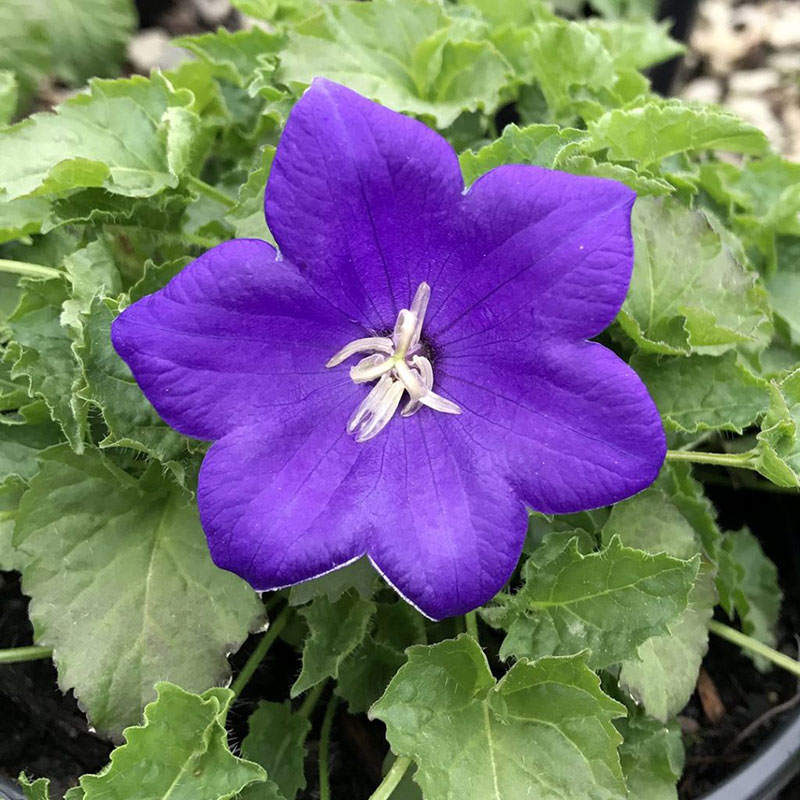
Campanula (Bellflower): Versatile Color for Lake County Landscapes
Campanula, commonly known as Bellflower, is one of the most diverse and reliable perennial groups we offer at our Mundelein nursery. For homeowners in Lakemoor or Libertyville looking for a plant that offers a true blue or crisp white flower in a variety of heights, this genus is an essential choice. Whether you need a low-growing groundcover for a rock garden or a tall, stately spike for a border, this plant is a premier performer in any Northern Illinois garden.
Performance in Northern Illinois Soil
This perennial is remarkably hardy in our Zone 5b climate. While many flowering plants can be finicky about soil texture, a well-sited campanula is quite adaptable to the heavy clay found throughout the region. It is particularly successful in the well-established garden beds of older neighborhoods, where it can handle the transition from a cool, wet spring to a warm Illinois summer. The plants prefer a soil that is moisture-retentive but not stagnant, which matches the characteristics of many local residential lots.
For the best results, most varieties should be planted in full sun to partial shade. In the intense afternoon heat of a typical July, a little bit of dappled shade can help the blooms last longer. In Lakemoor, where properties often have a mix of open lawn and mature trees, these plants thrive along the transition lines where they get morning sun and afternoon relief.
Why Bellflower is a Practical Local Choice
In the North Suburbs, this group of perennials serves as a reliable gap-filler and focal point, solving several specific gardening challenges:
-
Long Bloom Window: Many species will flower from late spring well into the summer, providing a steady stream of color when other spring bulbs have finished.
-
Pollinator Magnet: The distinctive bell-shaped flowers are a favorite for native bees and butterflies, supporting the local ecosystem in Libertyville.
-
Deer Resistance: While not completely immune, most varieties of campanula are generally avoided by deer compared to more palatable plants like hostas or lilies.
-
Versatile Habit: With species ranging from creeping mats to three-foot-tall spires, there is a variety suited for every possible niche in a suburban landscape.
Planting and Maintenance Advice
To ensure your campanula remains vigorous and produces an abundance of its signature bell-shaped flowers, follow these straightforward care steps:
-
Deadheading: To encourage a longer blooming season, snip off the spent flower stalks. For many varieties, this simple task can trigger a second flush of blooms later in the summer.
-
Consistent Moisture: While they are tough, they do best with regular watering during dry spells. If the soil in your Lakemoor garden dries out completely during a hot August, the plant may go dormant early.
-
Division: Every 3 to 4 years, the clumps may become overcrowded or thin in the center. Dig the plant up in early spring or early autumn, divide the root mass, and replant to maintain vigor.
-
Mulching: Apply a light layer of wood mulch around the base to help retain moisture and keep the roots cool, but be careful not to bury the crown of the plant.
-
Air Circulation: For the taller, upright varieties, ensure they have enough space for airflow to prevent minor leaf issues during the most humid weeks of the summer.
Reliable Companion Plants for our Area
To create a pleasant, multi-layered look in the garden, consider pairing Campanula with these specific varieties:
-
Lady’s Mantle (Alchemilla mollis): The frothy, chartreuse flowers and scalloped foliage of Lady’s Mantle provide a stunning color contrast to the cool blues and purples of Bellflowers. Both thrive in similar light conditions and create a soft, romantic edge along garden pathways.
-
Geranium (Hardy Cranesbill): These low-maintenance perennials share a similar mounded growth habit. Planting them together results in a dense, weed-suppressing groundcover with a beautiful mix of delicate, five-petaled geranium blooms and the iconic bell-shaped flowers of the Campanula.
-
Foxgloves (Digitalis): For a dramatic height contrast, the tall, upright spikes of Foxgloves rise elegantly above the lower-growing clusters of Campanula. This pairing is perfect for adding vertical interest to cottage-style garden borders.
-
Roses: Campanula makes an excellent "underplanting" for shrub roses. The bellflowers fill the space around the base of the rose bushes, hiding the woodier stems with a carpet of color that complements the larger, more formal rose blooms.
Frequently Asked Questions (Lake County Edition)
Does it spread?
Some creeping varieties are vigorous growers and make excellent groundcovers, while the upright types stay in tidy, manageable clumps. Our staff can help you choose the right growth habit for your specific project.
Is it easy to grow?
Yes. Campanula is considered a "beginner-friendly" perennial because it is not overly sensitive to minor fluctuations in light or soil quality in our Northeastern Illinois climate.
Visit The Country Bumpkin Garden Center
We are located at the corner of Gilmer Rd & Hawley St in Mundelein. Stop by to see the different shapes and sizes of campanula we carry and find the right variety for your landscape. We are proud to be a local resource for gardeners across Mundelein, Lakemoor, and the surrounding communities.
Call (847) 566-2176 or Send a Message to check current availability.
Varieties: Blue Clips, Genti Twist, Pearl Deep Blue, Pearl White
See: Perennials
Category: Sun Perennials - Sun Plants - Sunny Plants - Campanula near me - Harebell - Bellflowers