buxus
Buxus varieties - Boxwood
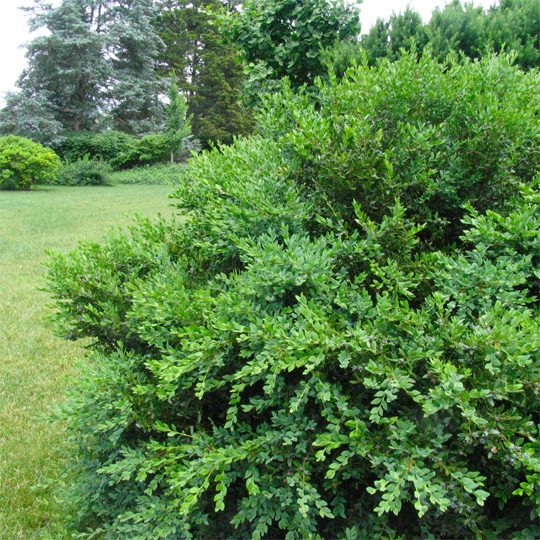
Buxus Boxwood: A Structural Evergreen for Year-Round Garden Definition
Buxus, commonly called boxwood, a genus of slow-growing evergreen shrubs, is a foundational element in landscape design and a plant well stocked at our Mundelein nursery. For homeowners in Tower Lakes or North Barrington looking to establish formal hedges, defined borders, or architectural focal points that remain green throughout the winter, this shrub is a functional choice. Its ability to tolerate shearing and its consistent, dense foliage make it a steady performer in any North Suburb garden where structural permanence and a tidy aesthetic are the primary goals.
Performance in Northern Illinois Soil
This shrub is hardy in our Zone 5b climate and is a representative selection for Midwest estate gardens and contemporary residential landscapes. While some broadleaf evergreens struggle with the alkaline, heavy clay found throughout the region, the buxus boxwood grows well in it, provided the site is well-drained and sheltered from the harshest winter winds. It is successful in the manicured landscapes of South Barrington, where its uniform growth habit provides a clean backdrop for seasonal flowers. In Sleepy Hollow, these plants act as a durable architectural staple, maintaining their deep green color and small, leathery leaves even when the rest of the garden has gone dormant.
Size, Spacing, and Growth Habit
Planning for the slow growth and eventual dimensions of these shrubs ensures they provide the intended definition without requiring excessive maintenance or encroaching on neighboring structures:
-
Average Height: Depending on the variety, height can range from compact types like 'Green Velvet' at 2 to 3 feet tall to larger varieties like 'Winter Gem' or 'Green Mountain' which can reach 4 to 6 feet tall.
-
Average Width: Most cultivars develop a mounded or pyramidal footprint spanning 2 to 4 feet wide.
-
Spacing Requirements: To create a solid, seamless formal hedge, space plants 18 to 24 inches apart from center to center. For individual specimen use or informal groupings, leave at least 3 feet between plants to ensure adequate light penetration and airflow around the entire circumference.
Characteristics of Buxus Boxwood
In the North Suburbs, this group of evergreens serves as a source of year-round structure and garden definition, addressing several specific landscape requirements:
-
Durable Evergreen Foliage: The small, rounded leaves are held densely on the stems, providing a solid wall of green that does not thin out in the shade. This characteristic is commonly utilized to hide foundation lines or utilities.
-
Malleability for Topiary: Because the plant responds well to pruning, it can be shaped into spheres, cones, or squares. This makes it a functional choice for formal garden styles or parterres.
-
Deer and Rabbit Resistance: The foliage contains alkaloids that are unpalatable to most local wildlife. This makes the shrub a practical choice for properties that experience high pressure from deer or rabbits.
-
Shadow and Depth: The dark green color of the leaves provides an excellent visual contrast when placed behind perennials with lighter foliage or bright floral displays.
Planting and Maintenance Advice
To ensure your shrub remains healthy and maintains its density each year, follow these straightforward care steps:
-
Light Exposure: Boxwoods are adaptable to full sun or partial shade. However, in our region, they often perform best in partial shade where they are protected from the drying effects of the intense afternoon sun, which can lead to leaf bronzing.
-
Protecting from Winter Burn: The combination of frozen ground and cold winter winds can dehydrate the leaves. Planting on the east or north side of a building, or using a burlap screen during the first few winters, is a practical way to ensure the foliage stays green.
-
Soil and Drainage: Proper drainage is critical. Boxwoods will not tolerate "wet feet" and are susceptible to root rot in stagnant water. In our heavy clay soil, always plant the root ball slightly higher than the surrounding soil grade to facilitate drainage.
-
Pruning Timing: If you are maintaining a formal shape, the best time to shear is in late spring or early summer after the first flush of new growth has hardened off. Avoid heavy pruning in late autumn, as this can stimulate new growth that will not have time to harden before the first frost.
-
Mulching and Root Care: Boxwoods have shallow root systems. Maintaining a 2-to-3-inch layer of organic mulch around the base—taking care not to pile it against the main stems—is essential to keep the roots cool and moist during the heat of August.
Reliable Companion Plants for our Area
To create a functional, high-contrast garden bed, consider pairing your evergreens with other durable varieties from The Country Bumpkin:
-
The large, soft blooms and broad leaves of Hydrangeas provide a textural contrast to the small, rigid leaves of the buxus boxwood.
-
The vibrant, colorful foliage of Heuchera stands out vividly against the dark green background of a boxwood hedge.
-
Blue or variegated Hostas offer a bold foliage contrast when planted at the base of mounded boxwoods in shaded areas.
-
The airy, lavender-colored flowers of Catmint soften the formal lines of a sheared boxwood border.
Frequently Asked Questions (Lake County Edition)
Why are my boxwood leaves turning orange or brown in the spring?
This is typically "winter bronzing" caused by wind desiccation. In most cases, the plant will push out new green growth as the weather warms. Applying an anti-desiccant spray in late fall can help reduce this effect.
How do I prevent boxwood blight?
The best prevention is choosing resistant varieties and ensuring good airflow. Avoid overhead watering and clean your pruning shears with a disinfectant between plants to prevent the spread of fungal spores.
Varieties
Buxus 'Green Gem': Also known as Buxus 'Compacta', this variety is characterized by its compact, upright habit and small, glossy, green leaves. It's a low-maintenance plant that's perfect for bonsai enthusiasts. It's a slow grower, reaching only 2 to 3 feet in height. Despite its small size, it's known for its striking, deep green foliage.
Buxus 'Green Mountain': This is a hybrid variety that combines the upright habit of Buxus 'Compacta' with the larger, broader leaves of Buxus 'Sempervirens'. It's a relatively slow-growing plant, reaching about 3 to 4 feet in height. The leaves are glossy and dark green, making it a visually appealing addition to the garden.
Buxus 'Green Velvet': This variety is known for its soft, velvety, green leaves that turn a deeper green in the fall. It's a compact, upright shrub that grows about 3 to 4 feet tall and wide. It's a slow grower and requires well-drained soil. Despite its small size, it's a popular choice for bonsai enthusiasts due to its unique leaf texture.
Buxus 'Northern Charm': This is a selected variety that's been bred for its cold hardiness and compact, rounded habit. It's a semi-evergreen shrub that grows about 3 to 4 feet tall and wide. The leaves are dark green with a bluish tinge, giving it a frosty appearance. It's a hardy plant that can withstand temperatures down to -30 degrees.
Buxus 'Winter Gem': This variety is known for its small, glossy, green leaves. It's a slow-growing plant that reaches about 3 to 4 feet in height and width. The leaves are semi-evergreen, providing a touch of winter interest to the garden.
Buxus 'Wintergreen' : This is a hybrid variety that's been bred for its cold hardiness and unique winter foliage. It's a compact, upright shrub that grows about 3 to 4 feet tall and wide. The leaves are dark green with a bluish tinge.
Buxus 'Chicagoland Green': This is a cultivar developed specifically for the colder climates of Northern Illinois. It's a slow-growing plant that reaches about 3 to 4 feet in height and width. The leaves are dark green. It's a hardy plant that can withstand temperatures down to -30 degrees.
Visit The Country Bumpkin Garden Center
We are located at the corner of Gilmer Rd & Hawley St in Mundelein. Stop by to see the various growth habits of buxus boxwood in person—from the low-growing 'Green Velvet' to the upright 'Green Mountain'—and find the right fit for your year-round landscape. We are a local resource for gardeners across Mundelein, Hawthorn Woods, and the surrounding communities.
Call (847) 566-2176 or Send a Message to check current availability.
See: Shrubs and Roses / Evergreens
Category: Sun Perennials - Sun Plants - Sunny Plants - Shrubs - Evergreen Shrubs - Boxwood near me - Buxus