blueberry northland
Vaccinium Corymbosum 'Northland'
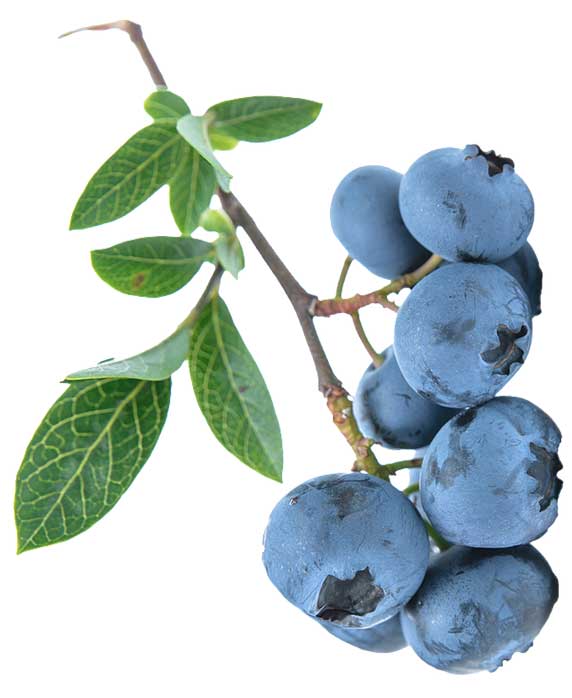
Northland Blueberry: The Rugged High-Yield Performer for Illinois
Northland blueberry (Vaccinium corymbosum x V. angustifolium 'Northland'), a deciduous fruiting shrub in the Ericaceae family, is a centerpiece for Midwest edible landscapes available at our Mundelein nursery. Developed by Michigan State University, this hybrid crosses the northern highbush with the lowbush blueberry to create a plant with exceptional wood flexibility and cold resilience. For homeowners in Grayslake or Round Lake looking to add a reliable source of antioxidant-rich fruit and a sturdy architectural presence to their properties, this shrub is a practical choice. Its ability to produce high-density, mid-season fruit and its manageable, spreading habit make it a steady performer in any North Suburb garden where functional food production and regional durability are the primary goals.
Performance in Northern Illinois Soil
This cultivar is exceptionally hardy in our Zone 5b climate and is a representative selection for residential gardens throughout the region. Like all blueberries, the Northland blueberry has a primary requirement of highly acidic soil (pH 4.5 to 5.2) to thrive in Lake County's naturally alkaline clay. It is successful in the managed landscapes of Round Lake, where the soil has been amended with peat moss and elemental sulfur. In Grayslake, these shrubs act as a durable architectural staple, emerging with small, dark green leaves in the spring that provide a lush, textured backdrop throughout the summer months.
Size, Spacing, and Growth Habit
Planning for the mature dimensions and branching nature of this shrub ensures it provides the intended fruit yield without requiring excessive maintenance:
-
Average Height: This shrub typically reaches 3 to 4 feet tall at maturity, making it shorter and more compact than other highbush varieties.
-
Average Width: The canopy spread typically spans 4 to 5 feet wide, maintaining a dense and spreading silhouette.
-
Growth Rate: It features a moderate growth rate, focusing energy on developing a strong root system and a prolific number of fruiting stems.
-
Growth Habit: Northland features a spreading habit with very flexible branches. This is a practical advantage in Northern Illinois, as the wood can bend under heavy snow loads without breaking.
-
Spacing Requirements: To ensure proper light penetration and airflow—which is essential for fruit ripening—space shrubs at least 4 feet apart. This distance is commonly utilized to create a functional fruiting hedge or border.
Pollination and Compatibility
Understanding the reproductive requirements of the Northland blueberry is a key step for a successful harvest, especially when aiming for peak production.
-
Self-Fertility: Northland is self-fertile, meaning a single plant can produce a crop. However, cross-pollination is a practical advantage that commonly leads to larger berries and more consistent yields.
-
The Pollination Process: Pollen is transferred between blossoms primarily by bees. This process is a standard requirement for the development of the sweet, high-quality berries this variety is known for.
-
Compatible Partners: To ensure the highest yields, plant Northland alongside other mid-season highbush varieties. It is commonly paired with 'Bluecrop' or 'Blueray' to ensure the requirements for cross-pollination are met.
-
Yield Synergy: Because Northland produces an abundance of blossoms, it is also a functional pollinator for other varieties in your home orchard.
Characteristics of Northland Blueberries
In the North Suburbs, this fruiting shrub serves as a source of multi-seasonal interest and functional landscape support, addressing several specific gardening requirements:
-
Harvest Timing: Northland is an early-to-mid season variety. In our Illinois climate, it is commonly harvested in July. The fruit is ready when the berries are a uniform deep blue.
-
Fruit Quality: The fruit is noted for its medium size and sweet, wild-blueberry flavor—a result of its lowbush ancestry. This characteristic is commonly utilized for fresh eating, baking, and making premium preserves.
-
Spring Floral Display: In May, the shrub produces a prolific display of white, bell-shaped blossoms. This adds a temporary but high-impact ornamental element to the spring landscape.
-
Fall Color: One of its most functional landscape traits is its autumn transformation. The foliage turns beautiful shades of yellow, orange, and red, providing a high-impact visual element in the late-season garden.
-
Winter Interest: The stems often remain colorful during the dormant season, providing a subtle visual contrast against the winter snow.
Planting and Maintenance Advice
To ensure your shrub remains healthy and produces a prolific amount of fruit each year, follow these straightforward care steps:
-
Full Sun Exposure: This is a primary requirement for fruit development and sugar accumulation. Northland blueberry requires at least 6 to 8 hours of direct, unobstructed sunlight daily.
-
Soil Acidification: This is a functional necessity. Because our local soil is commonly alkaline, you must use acidic amendments and regular applications of acid-loving plant fertilizer to maintain the proper pH.
-
Pruning for Production: Annual maintenance pruning in late winter is a practical necessity. Focus on thinning out the oldest stems to encourage the growth of new, vigorous fruiting wood.
-
Soil and Moisture: Blueberries have shallow root systems and require consistent moisture. Regular supplemental irrigation during dry spells is a practical maintenance step.
-
Mulching: Maintain a 3-inch layer of organic mulch, such as pine bark or pine needles, around the root zone. This is a practical step to retain moisture, suppress weeds, and naturally lower the soil pH.
Frequently Asked Questions (Lake County Edition)
Is Northland easier to grow than other blueberries?
It is commonly considered one of the most adaptable varieties for our climate because its flexible wood and lowbush heritage help it withstand the cold and heavy snow of Lake County winters.
Why does my Northland blueberry have so many berries but they are small?
This variety is an extremely heavy producer. Thinning some of the blossoms or pruning more aggressively in late winter is a practical strategy to help the plant direct more energy into increasing the size of the remaining fruit.
Visit The Country Bumpkin Garden Center
We are located at the corner of Gilmer Rd & Hawley St in Mundelein. Stop by to see the sturdy structure and experience the potential of a Northland blueberry for your own backyard orchard and find the right fit for your landscape. We are a local resource for gardeners across Mundelein, Grayslake, Round Lake, and the surrounding communities.
Call (847) 566-2176 or Send a Message to check current availability.
Category: Fruit Plants - Blueberry Northland near me - Vaccinium Corymbosum 'Northland'