aster
Aster Daisy
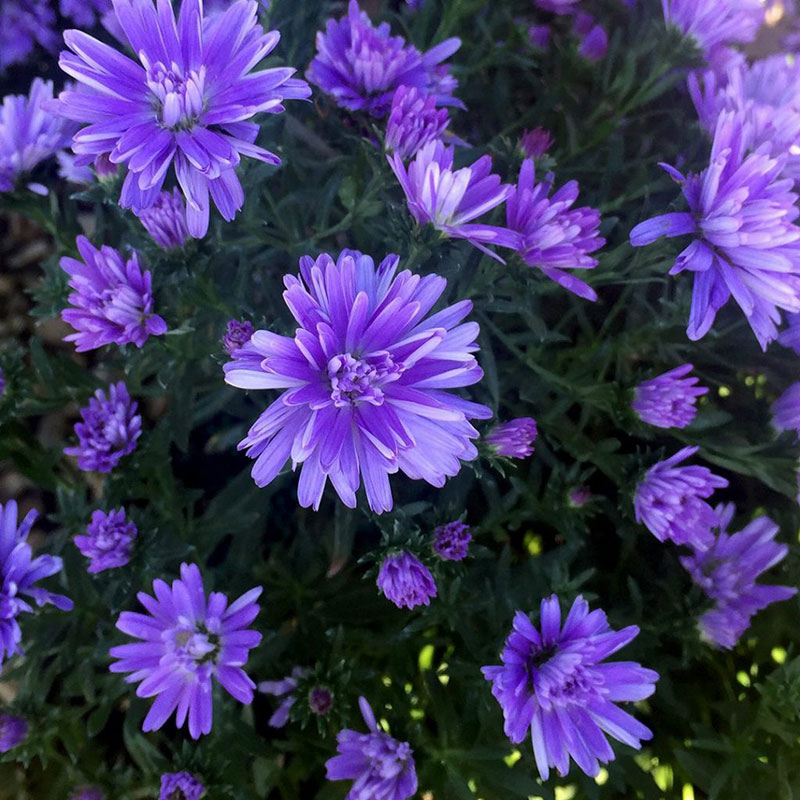
Aster: Late-Season Color for Lake County Landscapes
Aster, known for its star-shaped flowers and brilliant late-season display, is a cornerstone of the autumn garden. At our Mundelein nursery, we recommend these perennials for homeowners in Wauconda, Hawthorn Woods, and the surrounding North Suburbs who want to keep their landscape vibrant long after summer annuals have faded. These hardy plants provide a necessary burst of blue, purple, and pink just as the first hints of autumn frost arrive.
Performance in Northern Illinois Soil
Most varieties are exceptionally well-suited for the Zone 5b climate. While many exotic perennials struggle with the heavy glacial clay found throughout Lake County, a native or hybrid aster thrives in it. They are particularly resilient in neighborhoods like Libertyville or Vernon Hills, where they can handle the shift from humid August heat to the cool, damp nights of September.
For the best results, they should be planted in full sun, receiving at least 6 to 8 hours of direct light. In shaded Lake Zurich or Long Grove yards, the plants may become "leggy" and produce fewer flowers, often requiring staking to stay upright. Full sun also helps the foliage stay dry, which is key for preventing common late-season leaf issues.
Why this Autumn Favorite is a Practical Local Choice
In the North Suburbs, this group of perennials serves as a reliable finishing touch for the garden, solving several specific challenges:
-
Critical Pollinator Support: As one of the last nectar sources available before winter, an aster is vital for honeybees and migrating Monarch butterflies in Mundelein and Grayslake.
-
Cold Hardiness: These plants are designed for the Midwest. They can handle a light frost without losing their blooms, extending your garden's visual appeal well into October.
-
Versatile Sizing: From the compact "Woods" series that stays under a foot tall to the towering New England varieties, there is a size for every bed in your Kildeer or Deer Park garden.
-
Naturalized Look: They provide a soft, meadow-like aesthetic that fits perfectly with the conservation-minded landscapes found in Mettawa or Ivanhoe.
Planting and Maintenance Advice
To ensure your aster remains compact and covered in blooms year after year, follow these straightforward care steps:
-
The "Chelsea Chop": For taller varieties in your Hawthorn Woods garden, cut the stems back by half in late June. This encourages the plant to branch out, resulting in a sturdier, more mounded shape with significantly more flowers.
-
Air Circulation: Space your plants 18 to 24 inches apart. In the humid late summers of Northeastern Illinois, good airflow is the best way to prevent powdery mildew on the leaves.
-
Division: Every 3 to 4 years, you may notice the center of the clump looking thin. Dig the plant up in early spring, divide it, and replant the vigorous outer sections to refresh the patch.
-
Watering: While established plants are somewhat drought-tolerant, they do best with consistent moisture during the heat of August. Avoid overhead watering to keep the foliage dry.
-
Fall Cleanup: You can leave the dried seed heads for the birds through the winter in your Wauconda yard. Cut the dead stems back to the ground in early April before new growth emerges.
Reliable Companion Plants for our Area
To create a pleasant, multi-layered look in the garden, consider pairing Asters with these specific varieties:
-
Goldenrod (Solidago): This is the classic autumn pairing. The brilliant yellow plumes of Goldenrod offer a stunning color contrast to the cool blues, purples, and pinks of the Asters. Both plants are sturdy natives that bloom simultaneously, providing a critical late-season nectar source for migrating butterflies.
-
Sedum (Autumn Joy): The flat, broccoli-like flower heads of upright Sedum provide a strong, architectural anchor for the airy, branched stems of the Aster. As the Sedum blooms turn from dusty pink to copper-red, they complement the fine-textured petals of the Aster for a rich tapestry of fall color.
-
Little Bluestem (Schizachyrium): This ornamental native grass provides a soft, blue-green vertical backdrop that makes the vibrant Aster blooms stand out. In late autumn, the grass shifts to a striking bronze-orange hue, which pairs beautifully with the lingering flowers and drying seed heads of the Asters.
-
Mums (Chrysanthemum): For a high-impact, traditional fall display, planting Asters alongside Mums creates a dense mound of overlapping color. The varied petal shapes—daisy-like Asters versus the tight, pom-pon or cushion shapes of the Mums—add wonderful depth and texture to the late-season border.
Frequently Asked Questions (Lake County Edition)
Why do the bottom leaves turn brown?
This is often caused by a lack of water during a dry August or by a common fungus. Proper spacing and the mid-summer pruning mentioned above can help keep the foliage looking green until the flowers arrive.
When do they start blooming?
Depending on the variety, you can expect to see the first flowers in late August, with peak bloom usually occurring throughout September in our Mundelein nursery.
Visit The Country Bumpkin Garden Center
We are located at the corner of Gilmer Rd & Hawley St in Mundelein. Stop by to see our current selection of aster and find the perfect color for your autumn landscape. We are proud to be a local resource for gardeners across Mundelein, Hawthorn Woods, and Lake County.
Call (847) 566-2176 or Send a Message to check current availability.
Varieties: Woods Pink, Woods Purple.
Image: Aster, Double Fall blue
See: Perennials
Category: Sun Perennials - Sun Plants - Sunny Plants - Aster near me