asclepias tuberosa
Milkweed - Butterfly Weed - Asclepias - Chiggerflower
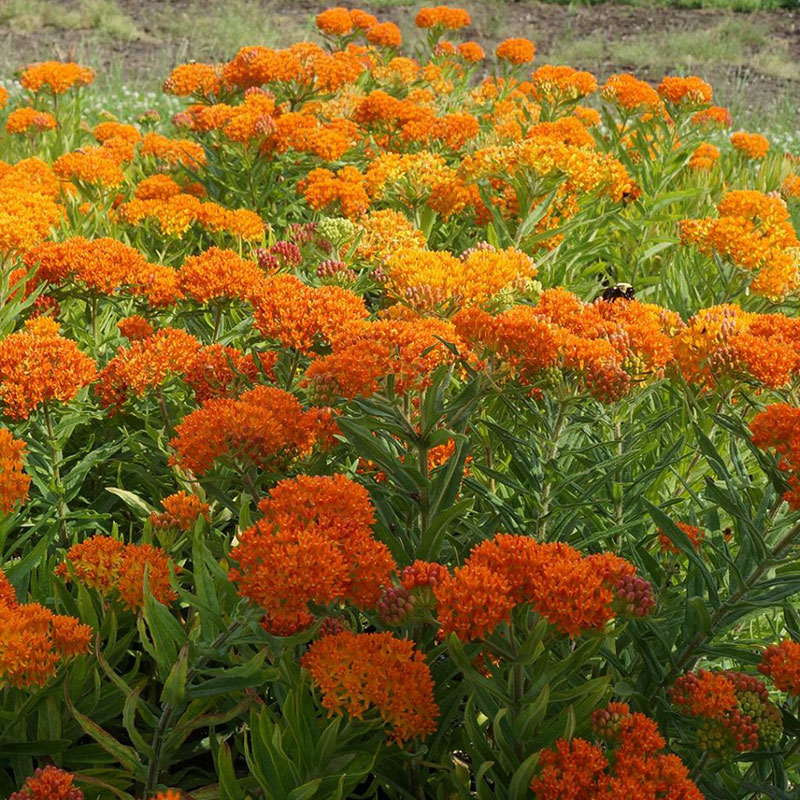
Asclepias: Essential Butterfly Plants for Lake County
Asclepias, more commonly known as Milkweed, is the single most important plant group for supporting the Monarch butterfly population in Northern Illinois. At our Mundelein nursery, we recommend these perennials for any gardener looking to combine striking summer blooms with high-impact conservation. Whether you choose the moisture-loving Swamp Milkweed or the drought-hardy Butterfly Weed, adding asclepias to your landscape is a practical way to support local biodiversity.
Performance in Northern Illinois Soil
Because these are native to the Midwest, they are perfectly adapted to the Zone 5b climate. While many exotic perennials struggle with the heavy clay found throughout Lake County, different species of asclepias have evolved to thrive in specific local conditions. For example, Orange Butterfly Weed (A. tuberosa) is ideal for the well-drained, sandy soils of Lake Bluff or the higher, drier ridges of Hawthorn Woods. In contrast, Swamp Milkweed (A. incarnata) is a "workhorse" for the lower, damp areas common in Mundelein or Grayslake.
For the best results, most species require full sun, receiving at least 6 to 8 hours of direct light. In shaded Vernon Hills or Lake Forest yards, the plants may become tall and spindly, and they will produce significantly fewer flowers.
Why this Native Group is a Practical Local Choice
In the North Suburbs, this group of perennials serves as a vital ecological anchor, solving several specific gardening challenges:
-
Host Plant for Monarchs: This is the only plant family that Monarch caterpillars can eat. By planting asclepias, you are providing a necessary nursery for the next generation of butterflies in your Libertyville or Wauconda garden.
-
Deep Root Systems: Most varieties develop deep taproots that allow them to remain green and vibrant during a hot Illinois July, even when other plants are wilting.
-
Deer and Rabbit Resistance: The milky sap contains bitter compounds that make the foliage unappealing to the wildlife roaming near the forest preserves in Kildeer or Long Grove.
-
Long-Lasting Blooms: From mid-summer through August, these plants produce clusters of nectar-rich flowers in shades of orange, pink, or white, providing a steady food source for all types of pollinators.
Planting and Maintenance Advice
To ensure your asclepias establishes a strong root system and returns year after year, follow these straightforward care steps:
-
Choose a Permanent Spot: Because many species have a long taproot, they do not like to be moved once established. Select a location in your Lake Zurich or Gages Lake garden where they can remain undisturbed.
-
Wait for Spring Growth: Be patient in the spring. These are some of the last perennials to emerge from the ground, often not appearing until late May when the soil has thoroughly warmed up.
-
Manage Aphids Naturally: You may see small yellow insects on the stems. These rarely harm the plant or the caterpillars. A sharp blast of water from a hose is usually enough to manage them without using chemicals that could harm butterflies.
-
Seed Pod Management: If you want to prevent the plant from spreading via wind-blown seeds, simply snip off the decorative pods before they pop open in the fall.
-
Spring Cleanup: Cut the dead woody stems back to about 3 inches from the ground in early April. This clears the way for fresh growth in your Mundelein garden.
Reliable Companion Plants for our Area
To create a pleasant, multi-layered look in the garden, consider pairing Asclepias with these specific varieties:
-
Coneflowers (Echinacea): As a fellow sun-loving native, coneflowers are a perfect match for Milkweed. The sturdy, colorful petals of the coneflower provide a bold landing pad for the many pollinators and Monarch butterflies that the Asclepias attracts to the garden.
-
Blazing Star (Liatris): The dramatic, upright purple spikes of Liatris offer a wonderful vertical contrast to the mounded or branching habit of Asclepias. Both plants thrive in the same well-drained soil and full-sun environments, creating a high-impact "pollinator powerhouse" in mid-to-late summer.
-
Little Bluestem (Schizachyrium): This ornamental native grass provides a fine-textured, blue-green backdrop that makes the vibrant orange or pink blooms of Milkweed truly pop. As the season turns, the grass shifts to a bronze-orange hue that complements the dried seed pods of the Asclepias.
-
Black-Eyed Susans (Rudbeckia): The golden-yellow blooms of Rudbeckia provide a classic color pairing when planted alongside the bright clusters of Milkweed. Both are exceptionally hardy and reliable, ensuring your garden remains full of life and color even during the hottest days of the season.
Frequently Asked Questions (Lake County Edition)
Is it invasive?
Common Milkweed (A. syriaca) can spread aggressively via underground runners. However, the varieties we typically stock for residential gardens, like Butterfly Weed and Swamp Milkweed, are clump-forming and much easier to contain in a typical Wauconda or Round Lake yard.
Does it need a lot of water?
It depends on the species. Butterfly Weed is extremely drought-tolerant, while Swamp Milkweed prefers to stay consistently moist. Our staff can help you pick the right one for your specific soil.
Visit The Country Bumpkin Garden Center
We are located at the corner of Gilmer Rd & Hawley St in Mundelein. Stop by to see our current selection of asclepias and start your own butterfly sanctuary. We are proud to be a local resource for gardeners across Mundelein, Hawthorn Woods, and Lake County.
Call (847) 566-2176 or Send a Message to check current availability.
See: Perennials
Category: Sun Perennials - Sun Plants - Sunny Plants - Asclepias near me - Butterfly Weed