anemone
Windflower - Anemone
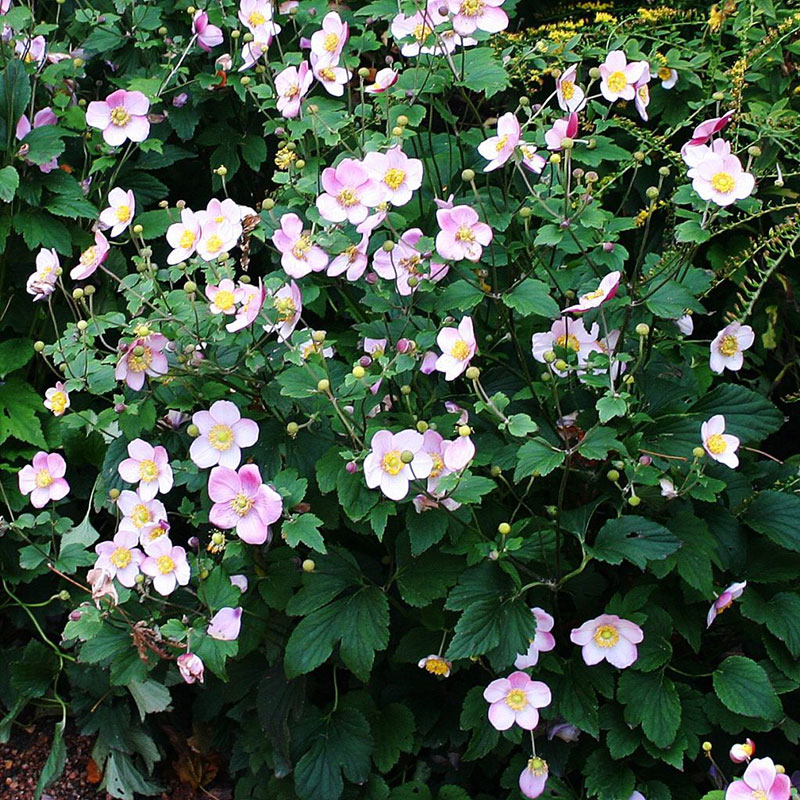
Anemone (Windflower): Late-Season Blooms for Lake County Gardens
Anemone, frequently called Windflower, is one of the most valuable perennials we carry at our Mundelein nursery for homeowners who want to extend their blooming season into the autumn. While many garden favorites begin to fade in late August, these elegant plants are just beginning their show, providing fresh color to landscapes in Wauconda, Libertyville, and throughout the North Suburbs when the rest of the garden is winding down.
Performance in Northern Illinois Soil
Most fall-blooming varieties are remarkably hardy and well-suited for the Zone 5b climate. While some perennials struggle with the heavy, moisture-retaining clay found throughout Lake County, a well-placed Anemone thrives in it, provided the soil is rich in organic matter. They are particularly successful in the filtered light found in older neighborhoods like Lake Zurich or Long Grove, where mature trees offer protection from the intense midday sun.
For the best results, they should be planted in partial shade to full sun. In our local climate, providing some afternoon shade helps prevent the foliage from scorching during the record heat of a typical Illinois July. Consistent moisture is key; these plants do not like to dry out completely during the summer months.
Why Windflowers are a Practical Local Choice
In Lake County, this late-season bloomer solves several specific gardening challenges:
-
Extends the Pollinator Season: Because they bloom from late summer through the first hard frost, they provide a vital late-season food source for honeybees and migrating Monarch butterflies in the North Suburbs.
-
Thrives in "In-Between" Light: Anemone is perfect for those tricky spots that are too sunny for Hostas but too shady for Peonies. They bridge the gap in woodland edges and partially shaded foundation beds.
-
Deer and Rabbit Resistance: These plants are generally avoided by the local wildlife that frequent properties near the Lakewood Forest Preserve, making them a safe choice for unfenced gardens.
-
Elegant Structure: With tall, wiry stems that sway in the breeze, they add a sense of movement and "airiness" to the garden that denser shrubs cannot provide.
Planting and Maintenance Advice
To ensure your Anemone returns with more vigor each year in this region, follow these straightforward care steps:
-
Spring Planting is Best: In Northeastern Illinois, it is often better to plant these in the spring rather than the fall. This gives the root system a full growing season to establish before facing a harsh Lake County winter.
-
Mulching: Apply a generous layer of wood mulch around the base of the plant. This helps retain the consistent moisture they crave and provides an extra layer of insulation for the roots during the freeze-thaw cycles of March.
-
Fall Cleanup: Do not be in a rush to cut them back. The seed heads can be quite attractive, and the foliage helps protect the crown. Wait until fresh green growth appears in early April to remove the dead stems from the previous year.
-
Watering During Drought: During the dry "dog days" of August, ensure your plants receive supplemental water. If the leaves begin to curl or turn brown at the edges, they are likely thirsty.
-
Division: Once a patch of Anemone becomes established in your Mundelein garden, it can be divided every 3 to 4 years in the spring to keep the plants from becoming too crowded.
Reliable Companion Plants for our Area
To create a pleasant, multi-layered look in the garden, consider pairing Anemone with these specific varieties:
-
Hostas: The broad, structural leaves of hostas provide a magnificent contrast to the delicate, swaying stems of fall-blooming Anemones. Since Anemones can handle partial shade, they tuck in perfectly behind hostas, rising above the foliage to provide late-season color just as the hostas begin to fade.
-
Ferns: The fine-textured fronds of ferns like the Autumn Fern or Japanese Painted Fern offer a soft, woodland feel that complements the elegant, cup-shaped flowers of the Anemone. This pairing thrives in the moist, organic soils that both plants prefer.
-
Turtlehead (Chelone): Both Anemones and Turtlehead are late-season bloomers that enjoy similar growing conditions. The snapdragon-like upright spikes of the Turtlehead offer a vertical element that balances the mounded, spreading habit of the Anemone for a full, lush border.
-
Sedum (Autumn Joy): For a striking end-of-season display, the sturdy, broccoli-like flower heads of upright Sedum provide a firm anchor for the airy, ethereal movement of Anemone blossoms. Both plants are exceptionally hardy and ensure the garden remains vibrant well into the autumn months.
Frequently Asked Questions (Lake County Edition)
Are these plants invasive in Mundelein?
Some species, like the spring-blooming Canada Anemone, can spread vigorously. However, the Japanese hybrids we typically sell for fall color are clump-forming; they will expand over time to fill a space but are not considered "take-over" plants.
Why is mine not blooming?
If your plant is in deep, dark shade, it may produce plenty of leaves but very few flowers. Moving it to a spot with more filtered sunlight often solves the problem.
Visit The Country Bumpkin Garden Center
We are located at the corner of Gilmer Rd & Hawley St in Mundelein. Stop by to see our selection of Anemone and find the right variety for your shade garden. We are proud to be a local resource for gardeners across Mundelein, Wauconda, Libertyville, and Lake County.
Call (847) 566-2176 or Send a Message to check current availability.
Varieties: September Charm, Whirlwind.
Image: Anemone x hybrida ‘September Charm’
See: Perennials
Category: Sun Perennials - Sun Plants - Sunny Plants - Anemone near me - Windflower