althea
Althea Rose of Sharon - Hibiscus syriacus
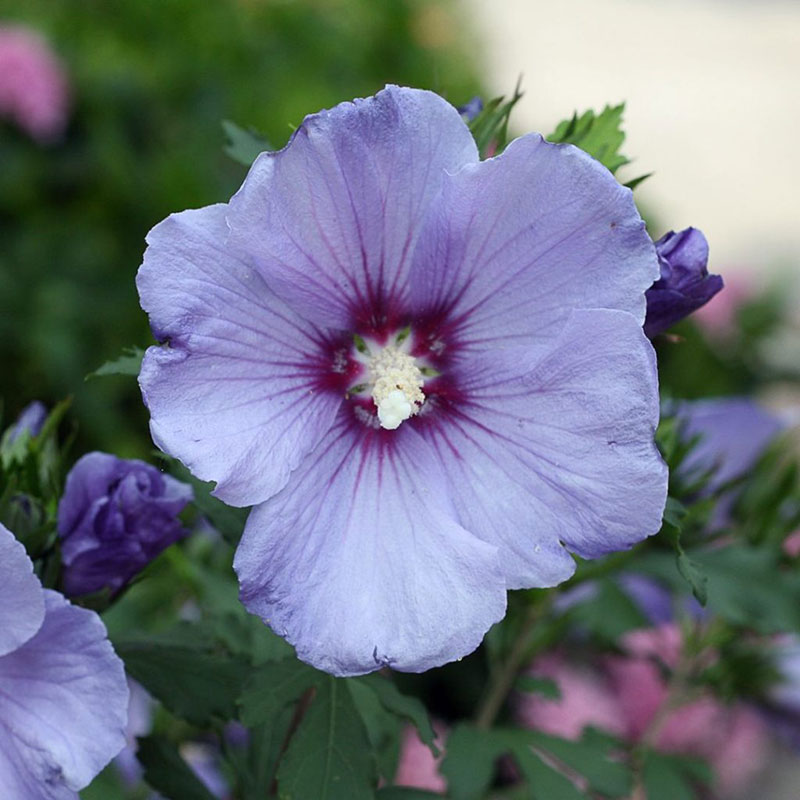
Althea Rose of Sharon: A Late-Summer Structural Shrub for Illinois
Althea rose of Sharon (Hibiscus syriacus) is a deciduous, woody shrub in the mallow family that is frequently stocked at our Mundelein nursery. For homeowners in Old Mill Creek or Hainesville looking to add vertical structure and tropical-looking blooms to their landscapes during the hottest months of the year, this plant is a functional choice. Its ability to thrive in full sun and its late-blooming nature make it a steady performer in any North Suburb garden where mid-to-late summer color and a tall, upright habit are the primary goals.
Performance in Northern Illinois Soil
This shrub is hardy in our Zone 5b climate and is a representative selection for Midwest residential properties and urban gardens. While some ornamental shrubs struggle with the heavy, unyielding clay found throughout the region, the Althea rose of Sharon grows well in it, provided the site is not subject to consistent standing water. It is successful in the open, sun-drenched landscapes of Indian Creek, where its deep root system can anchor firmly and support its tall, multi-stemmed frame. In Old Mill Creek, these plants act as a durable architectural staple, emerging with medium-green, three-lobed leaves later in the spring than many other woody plants, which often protects them from late-season frost damage.
Size, Spacing, and Growth Habit
Planning for the upright, vase-shaped nature of this shrub ensures it provides a structural focal point or a privacy screen without being overcrowded by neighboring trees:
-
Average Height: Depending on the cultivar and soil conditions, the shrub typically reaches 8 to 12 feet tall.
-
Average Width: Each individual plant forms a sturdy, upward-reaching footprint of 6 to 10 feet wide.
-
Spacing Requirements: To create a solid flowering hedge or a continuous privacy screen, space plants 6 to 8 feet apart (measured from center to center). This allows the branches to knit together at the top while maintaining enough airflow to keep the interior foliage healthy.
Characteristics of Althea Rose of Sharon
In the North Suburbs, this group of shrubs serves as a source of late-season interest and structural support, addressing several specific gardening requirements:
-
Distinctive Summer Blooms: The plant produces large, trumpet-shaped flowers—appearing in shades of white, pink, lavender, blue, or bicolor—starting in July and continuing through September. This characteristic is commonly utilized to bridge the "bloom gap" between early summer perennials and autumn-blooming species.
-
Vase-Shaped Architecture: The stems grow naturally in an upright, outward-reaching pattern, which allows for the planting of low-growing perennials around the base without the shrub casting excessive low-level shade.
-
Pollinator Support: The open flowers and prominent central stamens are a food source for hummingbirds, honeybees, and butterflies during the peak of the summer heat.
-
Pollution and Salt Tolerance: This shrub is adaptable to urban environments and handles the compacted soil and air quality found in busy suburban corridors, making it a practical choice for street-side plantings or parkways.
Planting and Maintenance Advice
To ensure your shrub remains healthy and produces a prolific amount of flowers each year, follow these straightforward care steps:
-
Full Sun Exposure: This is the most critical factor for flower production. To prevent the plant from becoming sparse or producing fewer buds, provide at least 6 to 8 hours of direct, unobstructed light daily.
-
Late Spring Emergence: It is important to note that Althea rose of Sharon is "late to wake up" in the spring. Do not be concerned if the shrub remains bare while other plants are leafing out; it typically begins to show growth in late May or early June.
-
Pruning for Flower Size: This shrub blooms on "new wood" (growth produced in the current season). Pruning it back in late winter or early spring will encourage more vigorous new growth and larger flowers. You can prune it to maintain a specific height or thin out older interior branches to improve light penetration.
-
Soil and Drainage: While it is adaptable to clay, it will not grow in stagnant, standing water. In our heavy clay soil, ensure the planting site is well-drained or slightly elevated to avoid root rot.
-
Managing Seedlings: Older, fertile varieties of Rose of Sharon can be prolific self-seeders. If you wish to prevent new plants from emerging in the surrounding mulch beds, choose modern "sterile" or "seedless" cultivars, or remove spent flower heads before they form mature seed pods.
Frequently Asked Questions (Lake County Edition)
Is it a hibiscus?
Yes. While it is a hardy woody shrub, it belongs to the Hibiscus genus. It is much more cold-tolerant than the tropical hibiscus varieties seen in southern climates or summer patio pots.
Why are the flower buds dropping before they open?
Bud drop can be caused by extreme drought or, conversely, by overly saturated soil. Consistent moisture during the hot weeks of July and August is the best way to ensure the buds reach maturity and open fully.
Visit The Country Bumpkin Garden Center
We are located at the corner of Gilmer Rd & Hawley St in Mundelein. Stop by to see the various cultivars of Althea rose of Sharon in person—from the classic single blooms to the ruffled "double" varieties—and find the right fit for your summer landscape. We are a local resource for gardeners across Mundelein, Hainesville, and the surrounding communities.
Call (847) 566-2176 or Send a Message to check current availability.
Varieties: Magenta Chiffon, Purple Pillar, Ruffled Satin, Violet Paraplu, Minerva, Red Heart.
Image: Hibiscus syriacus ‘DVPAzurri’
See: Shrubs and Roses
Category: Sun Perennials - Sun Plants - Sunny Plants - Shrubs - Deciduous Shrubs - Rose of Sharon near me - Althea Rose of Sharon - Hibiscus