Monarda
Monarda Bee Balm - Bee Balm - Beebalm
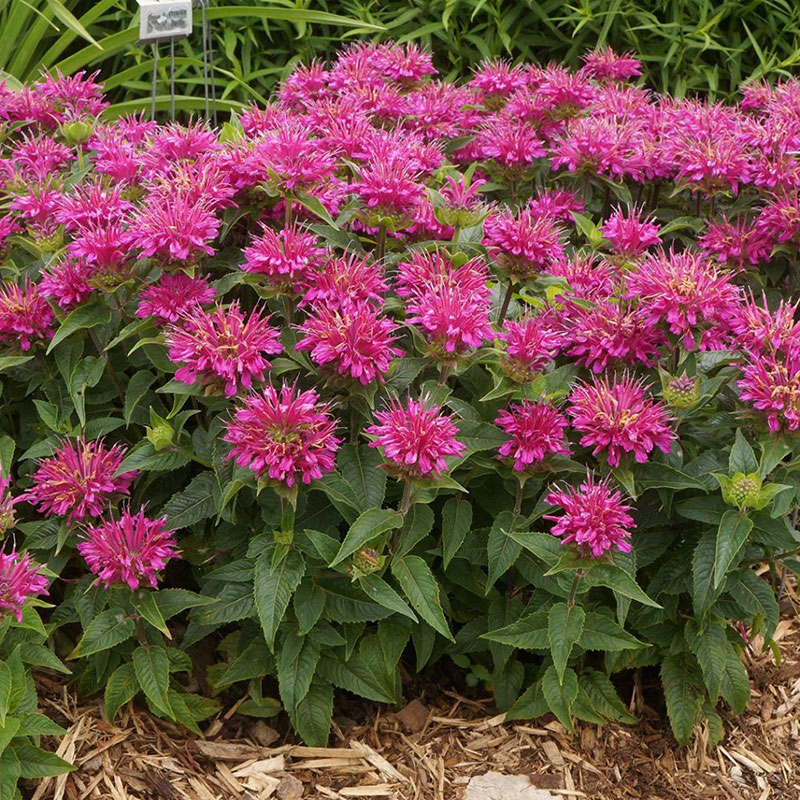
Monarda Bee Balm: The High-Energy Pollinator Hub of Lake County
Monarda bee balm, also famously known as Wild Bergamot or Oswego Tea, is the most vibrant and ecologically significant summer perennial we offer at our Mundelein nursery. For homeowners in Hoffman Estates or Holiday Hills looking to add a shaggy, "firework" texture and intense clusters of purple, scarlet, or pink flowers to their sunny borders, this plant is an essential choice. Its aromatic foliage and distinctive, crowned blossoms make it a premier performer in any North Suburb garden where high-impact color and a buzzing, lively landscape are required.
Performance in Northern Illinois Soil
This perennial is exceptionally hardy in our Zone 5b climate and is a stalwart descendant of the original Illinois prairie. While many ornamental flowers struggle with the heavy, unyielding clay found throughout the region, Monarda bee balm thrives in it, provided the soil remains consistently moist and is enriched with organic matter. It is particularly successful in the open, sun-drenched landscapes of Holiday Hills, where its vigorous root system can spread through the soil without heavy competition. In Hoffman Estates, these plants act as a durable "living border," expanding into lush clumps that can handle the transition from a wet spring to the humid, sweltering heat of a typical Midwest August.
Size, Spacing, and Growth Habit
Planning for the rapid, spreading habit of this plant is key to successful garden management and maintaining health:
-
Average Height: Depending on the cultivar, the plant typically reaches 2 to 4 feet tall. Modern dwarf varieties stay much shorter, topping out at 12 to 15 inches.
-
Average Width: Each individual clump expands via underground rhizomes, reaching a spread of 2 to 3 feet wide within a few growing seasons.
-
Spacing Requirements: To ensure vital air circulation and prevent fungal issues, space plants at least 2 to 3 feet apart.
Why Monarda Bee Balm is a Practical Local Choice
In the North Suburbs, this group of perennials serves as a reliable source of color and wildlife activity, solving several specific gardening challenges:
-
The Ultimate Hummingbird and Bee Magnet: The tubular flowers are a primary nectar source for Ruby-throated Hummingbirds, clearwing hawk moths, and numerous native bee species.
-
Exceptional Fragrance: The foliage is highly aromatic, smelling like a mix of mint and citrus, which provides a sensory bonus whenever you work in or walk past the garden.
-
Deer and Rabbit Resistance: Because of the strong essential oils (thymol) in the leaves, the plant is almost never touched by local wildlife.
-
Naturalizing Potential: If you have a larger area or a meadow-style garden to fill, this plant will happily colonize the space, creating a beautiful, low-maintenance display.
Planting and Maintenance Advice
To ensure your plant remains a vibrant focal point and does not succumb to common fungal issues like powdery mildew, follow these straightforward care steps:
-
Prioritize Airflow: This is the most critical factor. In our humid Illinois climate, poor circulation can turn the leaves white with mildew. Space them properly and avoid planting them in stagnant corners.
-
Consistent Moisture is Key: While they are tough, they do best with regular watering during dry spells. If the soil dries out completely in July, the plant will stress and lose its lower leaves.
-
The "Chelsea Chop": In late May, you can cut the stems back by half. This results in a shorter, sturdier plant with more flower heads that bloom slightly later in the season.
-
Deadheading for Rebloom: Remove spent flower heads to encourage a secondary, lighter flush of blooms in late summer.
-
Division Frequency: Every 3 years, dig up the clump in early spring and remove the older, woody center. Replant the vigorous outer shoots to keep the colony healthy.
Frequently Asked Questions (Lake County Edition)
How do I stop the white mildew?
While many modern cultivars are bred for resistance, the best defense in our area is full sun, wide spacing, and watering at the base of the plant rather than on the leaves.
Is it edible?
Yes. The leaves are often used to make tea or as a garnish, providing a spicy, mint-like flavor. It was historically used by the Oswego people and later by colonists after the Boston Tea Party.
Visit The Country Bumpkin Garden Center
We are located at the corner of Gilmer Rd & Hawley St in Mundelein. Stop by to see the incredible variety of Monarda bee balm colors we carry—from the deep scarlet 'Jacob Cline' to the vibrant 'Sugar Buzz' series. We are proud to be a local resource for gardeners across Mundelein, Holiday Hills, and the surrounding communities.
Call (847) 566-2176 or Send a Message to check current availability.
Varieties: Balmy Purple, Marshall Delight, Native, Pardon Purple, Rooster, Raspberry Wine
Image: Monarda didyma ‘Pardon My Purple’
See: Perennials
Category: Sun Perennials - Sun Plants - Sunny Plants - Monarda near me - Bee Balm