black-eyed Susan
Rudbeckia - Black Eyed Susan
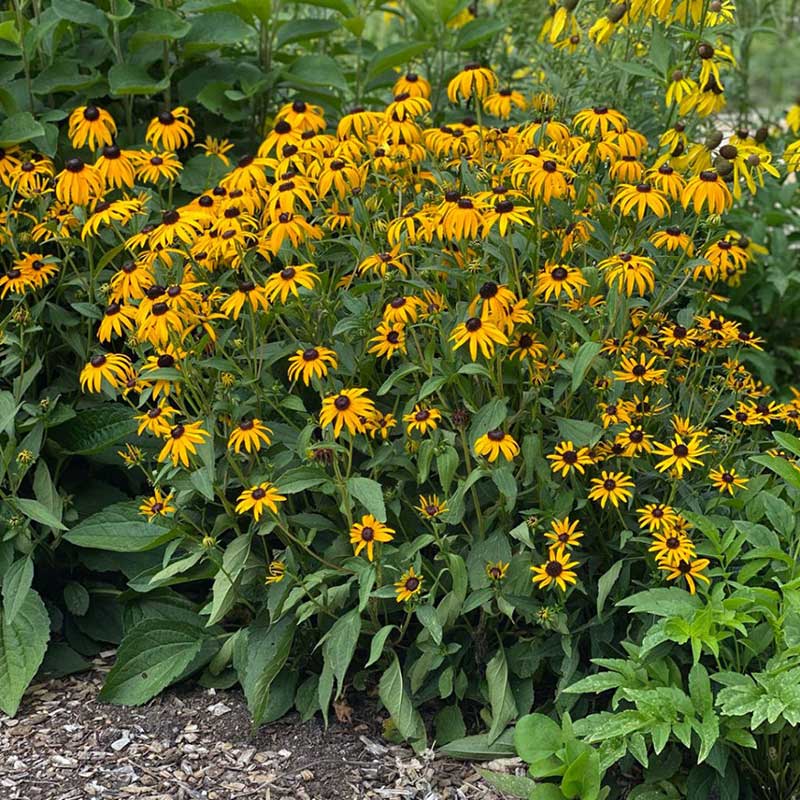
Black-Eyed Susan: The Golden Standard of the Illinois Summer
Rudbeckia, known as the black-eyed susan, is an iconic and hardworking summer perennial that we offer at our Mundelein nursery. For homeowners in Sylvan Lake or Third Lake looking to add a cheerful, high-contrast palette of golden-yellow petals and dark chocolate centers to their sunny landscapes, this plant is an absolute necessity. Its legendary stamina and ability to bloom from mid-summer through the first frost make it a premier performer in any North Suburb garden where reliability and high-impact color are the priorities.
Performance in Northern Illinois Soil
This perennial is exceptionally hardy in our Zone 5b climate and is a celebrated native descendant of the Midwest prairie. While many ornamental flowers struggle with the heavy, unyielding clay and variable moisture typical of the region, the black-eyed susan thrives in it, utilizing its vigorous root system to anchor firmly into the earth. It is particularly successful in the open, sun-drenched properties of Third Lake, where it can handle the transition from a wet spring to the intense, baking heat of an Illinois August. In Sylvan Lake, these plants act as a durable "landscape staple," emerging with fuzzy, green foliage that quickly expands into a lush mound, providing a massive burst of gold during the "dog days" of summer.
Size, Spacing, and Growth Habit
Planning for the mounded and prolific nature of this plant is key to ensuring it provides a solid wash of color without overcrowding its neighbors:
-
Average Height: Depending on the cultivar, mature plants typically reach 2 to 3 feet tall. Compact varieties like 'Little Goldstar' stay shorter at 14 to 16 inches.
-
Average Width: Each individual plant forms a sturdy, multi-stemmed clump spanning 18 to 24 inches wide.
-
Spacing Requirements: To achieve a seamless, weed-suppressing drift of color, space plants 18 inches apart. This allows for healthy air circulation while creating a solid golden carpet.
Why Black-Eyed Susan is a Practical Local Choice
In the North Suburbs, this group of perennials serves as a reliable source of late-season drama and intense wildlife support, solving several specific gardening challenges:
-
Unmatched Bloom Duration: Very few plants can compete with its flowering window. It begins in July and often continues to produce fresh blossoms well into October.
-
Superior Drought Tolerance: Once established, it is remarkably water-efficient, thriving in the heat of August with minimal supplemental irrigation.
-
The Ultimate Pollinator Magnet: The nectar-rich flowers are a favorite for honeybees, butterflies, and beneficial predatory insects that help keep your garden healthy.
-
Winter Interest and Seed Source: In the late fall, the dark central cones turn a beautiful architectural black and provide an essential food source for finches and other overwintering songbirds.
Planting and Maintenance Advice
To ensure your plant remains a vibrant focal point and returns with increasing vigor each spring, follow these straightforward care steps:
-
Prioritize Full Sun: This is the most critical factor for flower production. While they can handle very light dappled shade, they need 6 to 8 hours of direct light to prevent the stems from becoming "leggy."
-
Avoid Over-Watering Once Established: While they appreciate moisture during a drought, they do not like "wet feet" in the winter. Ensure the planting site is well-drained.
-
Deadheading for Longevity: Removing spent flower heads (deadheading) encourages the plant to put its energy into new buds rather than seed production, extending the bloom season.
-
Manage the Self-Seeding: Many varieties are prolific seeders. If you want to maintain a tidy border, remove the seed heads in late fall. If you prefer a naturalized look, let them fall to create a thicker colony next year.
-
Divide Periodically: Every 3 to 4 years, dig up the clump in early spring to divide it. This rejuvenates the plant and prevents the center from becoming woody and sparse.
Frequently Asked Questions (Lake County Edition)
Is it a perennial or a biennial?
The classic Rudbeckia fulgida (like 'Goldsturm') is a true perennial that returns every year. However, some varieties (like Rudbeckia hirta) act more like biennials or short-lived perennials that rely on self-seeding to return.
Why are my leaves turning black?
In humid Illinois summers, they can sometimes develop "Septoria leaf spot." The best defense is to water at the base of the plant and ensure they have plenty of spacing for airflow.
Visit The Country Bumpkin Garden Center
We are located at the corner of Gilmer Rd & Hawley St in Mundelein. Stop by to see the incredible variety of black-eyed susan cultivars we carry and find the right fit for your sun-drenched landscape. We are proud to be a local resource for gardeners across Mundelein, Sylvan Lake, and the surrounding communities.
Call (847) 566-2176 or Send a Message to check current availability.
Varieties: Goldstrum, Hirta Native, Little Goldstar, Showy, Viette
Image: Rudbeckia fulgida ‘Goldstrum’
See: Perennials
Category: Sun Perennials - Sun Plants - Sunny Plants - Black-eyed Susan near me - Rudbeckia