portulaca
Moss Rose - Purslane
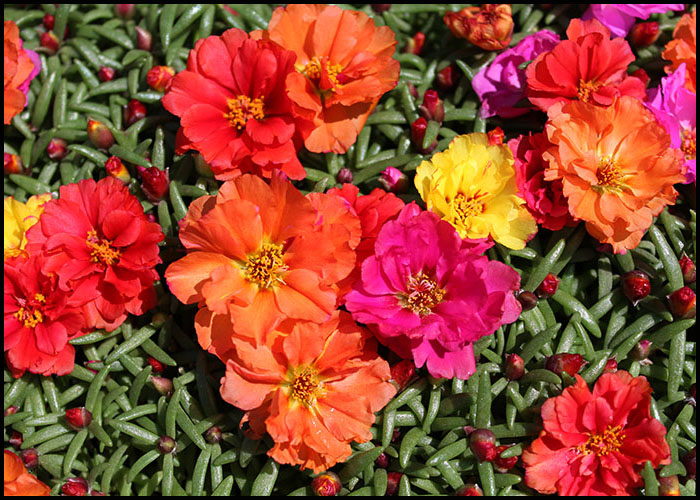
Enhancing Your Garden with Portulaca
Portulaca, often called moss rose or sun rose, is the ultimate solution for those high-heat, high-glare spots in your Midwestern landscape where other flowers might struggle. Whether you are looking for a vibrant groundcover for a rock garden or a low-maintenance "spiller" for a stone planter, incorporating portulaca provides a brilliant carpet of neon colors that thrives when the temperature rises. These plants are prized for their succulent, needle-like foliage and their ability to produce ruffled, rose-like blooms that remain vivid even during the hottest stretches of a Lake County summer.
Performance in Northern Illinois Soil
Gardeners in our region are well-acquainted with the challenges of heavy clay; however, portulaca offers a unique advantage because it is highly drought-tolerant and excels in leaner environments. In communities like Libertyville and Vernon Hills, these plants perform best when tucked into well-draining garden beds or sandy areas where moisture does not linger. While they appreciate the nutrient-rich nature of our local soil, ensuring they are not "over-pampered" with heavy watering is the secret to their success. They are particularly effective in residential parkways or near concrete walkways where reflected heat often wilts more delicate species.
Size, Spacing, and Growth Habit
The growth habit of portulaca is distinctly low and spreading, making it one of the most effective living mulches for sunny areas. Most varieties will only reach a height of 4 to 8 inches but can spread significantly across the soil surface.
-
Spacing: To create a seamless mat of color, space individual plants approximately 10 to 12 inches apart.
-
Habit: These plants feature fleshy, moisture-storing stems and leaves. Their prostrate habit allows them to "hug" the ground or stones, providing a clean and organized look that effectively suppresses weeds as the foliage fills in.
Environmental Requirements
To maximize the blooming potential of your plants, site them in a location that receives full sun. In our Northern Illinois climate, portulaca requires maximum light; in fact, the flowers often close during cloudy days or in the shade. They are extremely heat-tolerant and are often the last plants standing during a dry August. Because of their succulent nature, they have very low water requirements once established. If the soil remains bone-dry for several days, a light watering is all they need to bounce back and continue their heavy bloom cycle.
Landscape Characteristics
The visual impact of portulaca is defined by its saturated, jewel-toned colors including electric pink, bright orange, sunny yellow, and pure white. Beyond their aesthetics, they are a favorite for local pollinators such as honeybees, who frequent the open centers of the blooms. In the landscape, they provide a rugged yet beautiful texture. Their ability to grow in the narrow crevices of retaining walls or between flagstones makes them a versatile tool for adding "vertical" color to hardscaped areas of your backyard.
Planting and Maintenance Advice
Wait until the soil is thoroughly warm—typically late May or early June in Mundelein—before planting.
-
Fertilization: Use a balanced, water-soluble fertilizer once a month. Over-fertilizing can lead to more foliage and fewer flowers, so a light touch is recommended.
-
Maintenance: One of the best features of portulaca is that it is virtually maintenance-free. They do not require deadheading to continue blooming. If the stems become too long or "leggy" by late summer, a quick shearing will encourage a fresh round of branching and a new flush of flowers that will last until the first frost.
Reliable Companion Plants for our Area
Pairing portulaca with other succulents and heat-lovers creates a professional, low-water display. They coordinate beautifully with:
-
Sedum: The varied textures of stonecrop complement the needle-like foliage of moss rose.
-
Zinnias: Taller, upright zinnias provide a colorful backdrop to the low-growing portulaca carpet.
-
Lantana: Sharing the same high-heat requirements, lantana adds a mounded structure to the landscape.
Frequently Asked Questions
Why do the flowers close in the afternoon?
Most portulaca varieties are light-sensitive and will close their petals in the evening or on very overcast days to protect their pollen.
Is it deer-resistant?
Yes, the bitter sap and succulent texture of the leaves generally make them a low priority for deer and rabbits in Lake County.
Visit The Country Bumpkin Garden Center
Are you ready to add a burst of resilient color to your sunniest garden spots? We proudly serve the gardening communities of Wauconda and Lake Zurich, providing high-quality nursery stock and expert advice for our unique local climate. Our team is here to help you select the most vibrant varieties for your home.
Call (847) 566-2176 or Send a Message to check current availability.
See: Annuals
Category: Sun Annuals - Sun Plants - Sunny Plants - Portulaca near me - Moss Rose