poppy
Papaver - Poppy
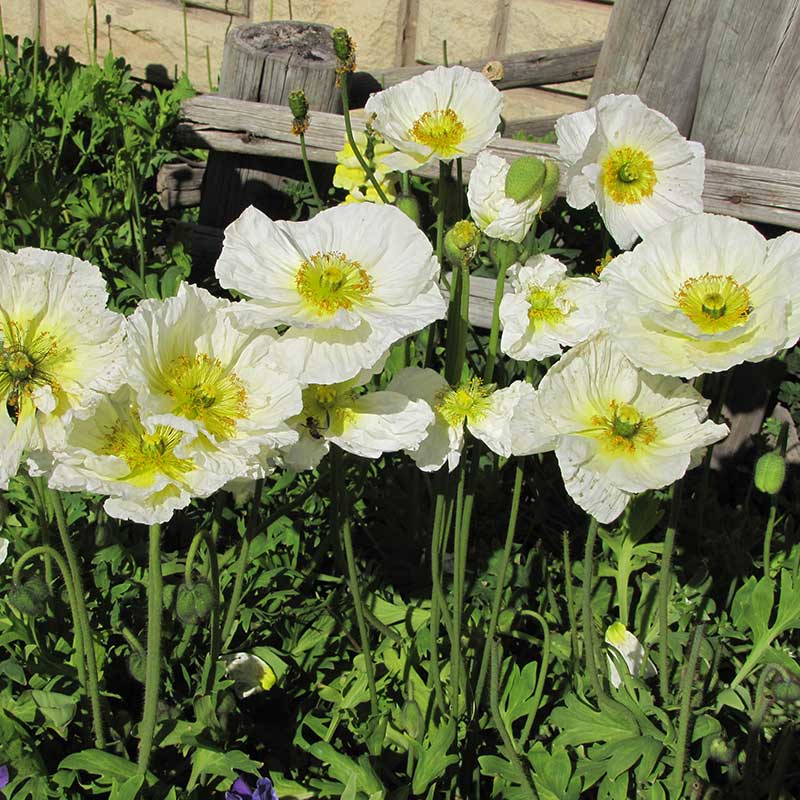
Poppy: The Radiant, Silken Jewel of the Illinois Spring
Papaver, universally known as the poppy, is the most visually arresting early-summer perennial we offer at our Mundelein nursery. For homeowners in Lake Forest or Lake Villa looking to add papery textures and saturated, neon-bright colors to their sunny borders, this plant is an absolute necessity. Its ephemeral beauty and iconic, cup-shaped blossoms make it a premier performer in any North Suburb garden where high-impact drama and a classic cottage-garden aesthetic are the priorities.
Performance in Northern Illinois Soil
This perennial is exceptionally hardy in our Zone 5b climate and actually thrives in the cool, bright springs typical of the Midwest. While many garden plants struggle with the heavy, unyielding clay found throughout the region, the poppy is remarkably adaptable, provided the soil is well-drained and not overly saturated during the winter. It is particularly successful in the open, sun-drenched landscapes of Lake Villa, where its deep taproot can anchor into the earth and access moisture during dry spells. In Lake Forest, these plants act as a spectacular "focal point," emerging with fuzzy, thistle-like foliage that provides a unique textural element long before the first buds open.
Size, Spacing, and Growth Habit
Planning for the vertical flower stalks and the plant's unique life cycle is key to a successful garden design:
-
Average Height: Depending on the variety, the foliage stays low while the flower stems typically reach 2 to 3 feet tall.
-
Average Width: Each individual plant forms a sturdy, mounded footprint of 12 to 24 inches wide.
-
Spacing Requirements: To ensure vital air circulation and allow room for the foliage to expand, space plants 18 to 24 inches apart.
Why Poppy is a Practical Local Choice
In the North Suburbs, this group of perennials serves as a reliable source of early-season intensity and structural interest, solving several specific challenges:
-
Unmatched Color Saturation: From the electric orange of the traditional Oriental variety to deep plum and soft salmon, the petals have a translucent, silken quality that catches the light unlike any other flower.
-
Intriguing Seed Pods: After the petals fall, the remaining seed heads are highly ornamental, often used in dried floral arrangements or left in the garden for architectural interest.
-
Deer and Rabbit Resistance: The sap of the poppy is bitter and slightly toxic to most herbivores, making it one of the most "wildlife-proof" plants in our catalog.
-
Drought Tolerance: Once the taproot is established, the plant is incredibly resilient, requiring very little supplemental water during the peak of summer.
Planting and Maintenance Advice
To ensure your plant remains a vibrant focal point and returns with vigor each spring, follow these straightforward care steps:
-
Understand the Summer Dormancy: This is the most critical factor. Like many spring-blooming perennials, the poppy will often turn yellow and go dormant after flowering. Do not assume the plant has died; it is simply resting during the heat of the summer.
-
Mark the Planting Spot: Because the foliage vanishes in late summer, use a permanent marker or stake so you do not accidentally dig it up when planting fall annuals.
-
Prioritize Full Sun: To achieve the strongest stems and the largest flowers, ensure the plant receives at least 6 to 8 hours of direct, unobstructed light.
-
Avoid Transplanting: Because of the long, sensitive taproot, it is best to choose a permanent location from the start. They do not respond well to being moved once established.
-
Minimal Fertilizer: They thrive in "average" soil. Too much nitrogen can result in excessive foliage at the expense of flowers and can make the tall stems "floppy."
Frequently Asked Questions (Lake County Edition)
When should I cut them back?
You can cut the stems down to the ground once they have turned brown and the seed heads have dried. If you want the plant to self-seed, leave the pods until they "pepper" their seeds into the soil.
Do I need to stake them?
In our windy Illinois climate, the taller 3-foot varieties may benefit from a simple "hoop" stake or being planted among other sturdy perennials for support.
Visit The Country Bumpkin Garden Center
We are located at the corner of Gilmer Rd & Hawley St in Mundelein. Stop by to see the incredible variety of poppy colors we carry and find the right fit for your sun-drenched landscape. We are proud to be a local resource for gardeners across Mundelein, Lake Forest, and the surrounding communities.
Call (847) 566-2176 or Send a Message to check current availability.
Varieties: Iceland Poppy
See: Perennials
Category: Sun Perennials - Sun Plants - Sunny Plants - Poppy near me - Iceland poppies - papaver