coneflower
Echinacea angustifolia - Coneflower
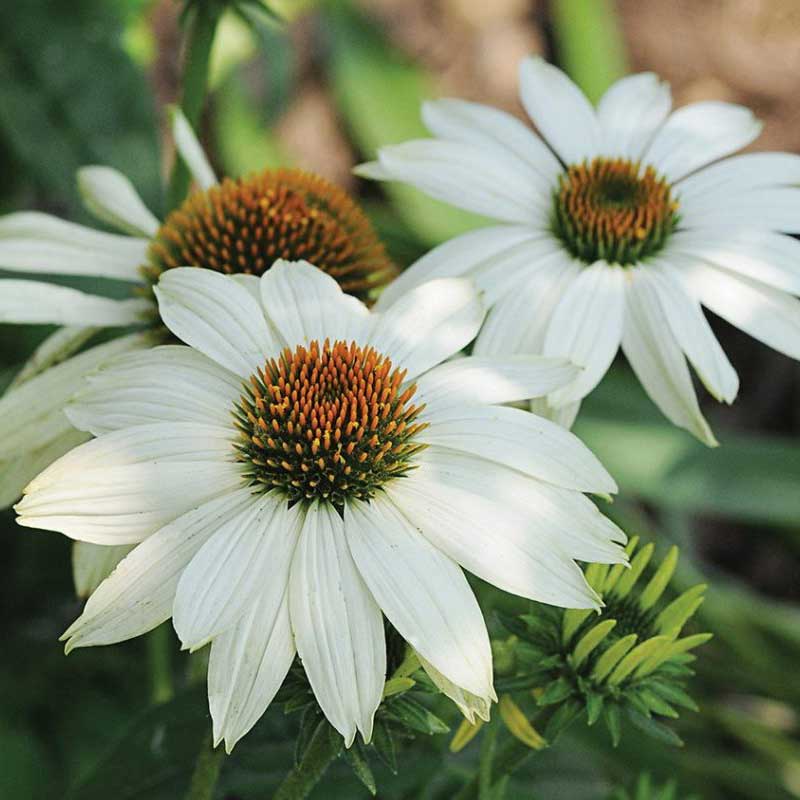
Coneflower (Echinacea): The Definitive Midwest Garden Anchor
Echinacea, better known as the coneflower, is the most iconic and reliable sun-loving perennial we offer at our Mundelein nursery. For homeowners in Zion or Antioch looking to create a landscape that is as resilient as it is beautiful, this plant is an absolute necessity. With its distinctive raised centers and drooping petals, it has become a symbol of the Illinois prairie and a premier performer in any modern North Suburb garden.
Performance in Northern Illinois Soil
This perennial is remarkably hardy in our Zone 5b climate, having descended from species native to the central United States. While many ornamental flowers struggle with the heavy, unyielding clay found throughout the region, the coneflower thrives in it. It is particularly successful in the open, sun-drenched yards of Antioch, where its deep root system allows it to withstand the "yo-yo" temperatures of a Midwestern spring and the intense humidity of August.
For the best results, plant it in full sun. While it can tolerate very light shade, the stems will be sturdier and the flower production much higher if it receives at least 6 to 8 hours of direct light. In Zion, where lake breezes and variable weather are common, these plants stand as durable sentinels that require very little intervention once they have established their root systems.
Why this Prairie Classic is a Practical Local Choice
In the North Suburbs, this group of perennials serves as the backbone of the summer garden, solving several specific challenges:
-
Unrivaled Pollinator Support: The central "cone" is packed with nectar, making it a primary destination for Monarch butterflies, swallowtails, and honeybees throughout the summer.
-
Winter Interest and Bird Food: If you leave the dried seed heads standing in your Antioch garden, you will provide a vital winter food source for Goldfinches and other songbirds.
-
Extreme Heat Tolerance: Even during a record-breaking Illinois heatwave, a healthy coneflower will rarely wilt, making it an ideal choice for low-maintenance parkways or "hell strips."
-
Deer Resistance: While no plant is 100% deer-proof, the rough, sandpapery texture of the leaves and stems makes them much less palatable to wildlife compared to lilies or hostas.
Planting and Maintenance Advice
To ensure your coneflower remains a vibrant focal point and returns with vigor each year, follow these straightforward care steps:
-
Deadheading for Rebloom: To keep the flowers coming until frost, snip off the faded blooms just above the next leaf node. However, stop deadheading in late September if you wish to save the seeds for the birds.
-
Prioritize Drainage: While they love our clay, they will not survive if the soil is constantly saturated. Planting in a slightly mounded bed or a well-drained border is a great strategy in Zion.
-
Division: Every 3 to 4 years, if the clump becomes too dense or the flowers begin to shrink in size, dig the plant up in early spring and divide it to maintain vigor.
-
Spring Cleanup: Cut the old, woody stems back to the ground in late March or early April once you see the first signs of green growth emerging from the soil.
-
Minimal Fertilizer: Over-fertilizing can lead to excessive leaf growth and weak stems. A simple top-dressing of compost once a year is all the energy a coneflower needs.
Reliable Companion Plants for our Area
To create a pleasant, multi-layered look in the garden, consider pairing Coneflower with these specific varieties:
-
Black-Eyed Susans: This is a quintessential summer pairing. The bright golden-yellow petals of the Black-Eyed Susans provide a high-contrast color pop against the purples and pinks of the Coneflowers. Both are rugged, sun-loving plants that handle the heat of July and August with ease.
-
Little Bluestem: This native ornamental grass provides a soft, blue-green vertical texture that weaves between the sturdy stems of the Coneflowers. As autumn approaches, the grass shifts to a stunning bronze-orange, perfectly complementing the drying seed heads of the Coneflowers.
-
Blazing Star: For a dramatic architectural look, the tall, fuzzy purple spikes of Blazing Star offer a superb contrast to the horizontal, daisy-like shape of the Coneflower. Both are magnets for butterflies and bees, making this duo a powerhouse for local pollinators.
-
Russian Sage: The airy, misty-blue spires and silvery foliage of Russian Sage create a cooling backdrop for the bold, saturated colors of the Coneflower. This combination is exceptionally drought-tolerant once established and thrives in the brightest, sunniest spots of the landscape.
Frequently Asked Questions (Lake County Edition)
Why did my fancy colored variety not come back?
While the classic purple species is nearly indestructible, some of the highly bred orange and yellow hybrids are more sensitive to wet winter soil. Ensuring perfect drainage is the best way to keep them coming back to your Zion garden.
Does it spread by seed?
The native species may drop seeds that sprout the following year, which is great for naturalizing a larger area. Most modern hybrids are sterile or do not grow "true" from seed.
Visit The Country Bumpkin Garden Center
We are located at the corner of Gilmer Rd & Hawley St in Mundelein. Stop by to see the incredible variety of coneflower colors and shapes we carry—from the classic native purple to the latest bicolors and doubles. We are proud to be a local resource for gardeners across Mundelein, Antioch, and the surrounding communities.
Call (847) 566-2176 or Send a Message to check current availability.
_________________________________________________________
Varieties: Orange, Cheyenne Spirit, Lemon Yellow, Magnus, Tres Amigos, Pallida, Pixie, PowWow, Poco Hot, Prairie Splendor, Purple, Rainbow, Rubinstern, Sundown.
Image: ‘PowWow White’
See: Perennials
Category: Sun Perennials - Sun Plants - Sunny Plants - Coneflower near Grayslake, IL - Echinacea