osteospermum
African Daisy
Enhancing Your Garden with Osteospermum African Daisy
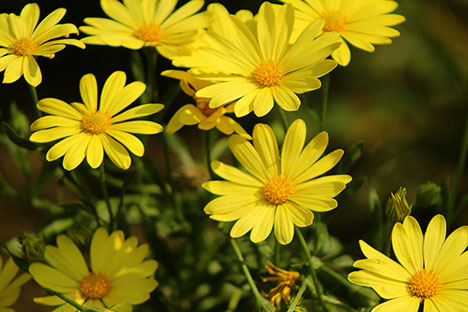
Osteospermum African daisy is a stunning addition to any landscape, offering a sophisticated look with its daisy-like petals and often contrasting, jewel-toned centers. Whether you are looking to fill early spring containers or add a burst of color to your garden beds, incorporating Osteospermum African daisy provides a resilient and visually striking focal point. These plants are beloved for their wide range of colors—from brilliant purples and pinks to warm oranges and buttery yellows—many of which feature unique "spooned" petals or iridescent finishes that shimmer in the sunlight.
Performance in Northern Illinois Soil
Local gardeners know that the heavy clay and variable drainage found in Lake County can be demanding. Fortunately, Osteospermum African daisy is quite adaptable once established. In communities like Libertyville and Vernon Hills, these plants thrive when the soil is properly amended with organic matter to prevent the roots from sitting in excessive moisture. While they appreciate the nutrient-rich nature of our local "black dirt," ensuring a well-draining site is the most critical factor for their performance. Because they are somewhat salt-tolerant, they also handle the roadside conditions often found in residential parkways throughout our region.
Size, Spacing, and Growth Habit
Osteospermum African daisy typically features a mounded to spreading growth habit that fills out beautifully over the course of the season. Most varieties reach a height of 10 to 14 inches with a spread that can extend up to 20 inches.
-
Spacing: To ensure adequate airflow and allow the plants to reach their full potential, space individual units 12 to 15 inches apart.
-
Habit: These plants produce dense, evergreen-like foliage that stays tidy throughout the year. The flower stalks rise slightly above the leaves, creating a clean and organized appearance in both pots and garden borders.
Environmental Requirements
To maximize the blooming potential of your plants, site them in a location that receives full sun. In our Northern Illinois climate, Osteospermum African daisy prefers the bright, direct light of the morning and midday. While they are heat-tolerant, they are unique in that they actually prefer the cooler temperatures of spring and autumn. During the peak humidity of July, the plants may take a brief "rest" from blooming, only to return with a second, more vigorous flush of flowers as the evening temperatures begin to drop in late August.
Landscape Characteristics
The visual impact of Osteospermum African daisy is nearly unmatched in the world of seasonal color. The petals often close at night and on very cloudy days, revealing interesting underside colors and protecting the pollen. This "sleep" habit makes them a dynamic part of the landscape. Additionally, their nectar-rich centers are a significant draw for local butterflies and beneficial pollinators, making them an excellent choice for those looking to support the local ecosystem while maintaining a high-end aesthetic.
Planting and Maintenance Advice
Wait until the threat of hard frost has passed in Mundelein before planting out in the garden.
-
Fertilization: Use a balanced, water-soluble fertilizer every two weeks to sustain their heavy blooming requirements.
-
Deadheading: Removing spent flower heads is highly recommended. By pinching off the old blooms, you signal the plant to continue producing new buds rather than focusing its energy on seed development. This practice is essential for keeping the plant looking fresh and vibrant through the transition from spring to summer.
Reliable Companion Plants for our Area
Pairing Osteospermum African daisy with other sun-loving varieties creates a textured and professional-looking garden bed. They pair beautifully with:
-
Nemesia: The delicate, fragrant blooms of Nemesia offer a soft contrast to the bold, structured daisy petals.
-
Calibrachoa: Often called "Million Bells," these trailing plants can spill over the edges of containers while the African daisies provide the upright structure.
-
Dusty Miller: The silvery, felt-like foliage of Dusty Miller provides a neutral backdrop that makes the vivid colors of the daisies truly pop.
Frequently Asked Questions
Is Osteospermum African daisy deer-resistant?
Generally, yes. Most local gardeners find that deer and rabbits tend to bypass these plants in favor of softer, more succulent vegetation, though no plant is entirely "deer-proof" if resources are scarce.
Can I grow these in the shade?
While they will survive in partial shade, the flower production will be significantly reduced, and the blooms may not open fully. Full sun is best for the iconic daisy display.
Visit The Country Bumpkin Garden Center
Are you looking to add a professional touch to your spring containers? We proudly serve the gardening communities of Grayslake and Hawthorn Woods, providing high-quality nursery stock and expert seasonal advice. Our staff can help you select the most resilient colors and varieties for your specific home landscape.
Call (847) 566-2176 or Send a Message to check current availability.
See: Annuals
Category: Sun Annuals - Sun Plants - Sunny Plants - Osteospermum African daisy near me