ageratum
Floss Flower
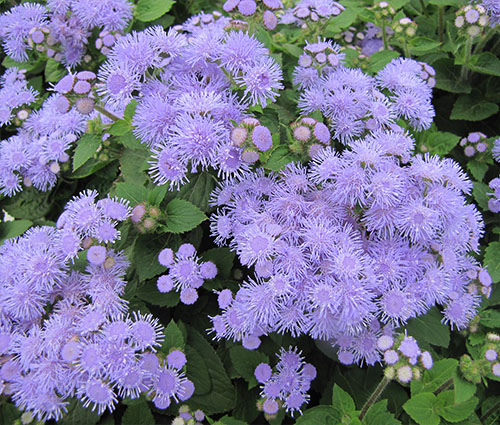
Ageratum: The Reliable Blue Ribbon of the Summer Garden
Ageratum (Ageratum houstonianum), also known as Flossflower, is a charming, heat-tolerant annual in the Asteraceae family available at our Mundelein nursery. Native to Central America and Mexico, this plant is specifically prized for its unique, fringe-like blooms and its rare ability to provide a true blue color to the landscape. For gardeners in Vernon Hills or Long Grove looking to add a reliable summer-long border and a sturdy floral presence to their beds, ageratum is a practical choice. Its consistent performance during the peak of an Illinois summer and its resistance to common garden pests make it a steady performer in any garden where functional color and soft texture are the primary goals.
Performance in Northern Illinois Soil
This species is exceptionally resilient and is a representative selection for residential gardens throughout the region. While some delicate annuals struggle with the humidity and heavy clay soils often found in the North Suburbs, ageratum grows well in them, provided the soil has been amended with organic matter to ensure adequate drainage. It is successful in the managed garden beds of Lincolnshire, where its fibrous root system can anchor firmly in rich, mulched soil. In Lake Forest, these plants act as a durable landscaping staple, providing a lush, fuzzy carpet of color that remains vibrant from late spring through the first frost.
Size, Spacing, and Growth Habit
Planning for the mounded and tidy growth habit of this plant ensures it provides the intended visual impact as a foreground or container filler.
-
Mature Height: Depending on the cultivar, ageratum typically reaches 6 to 12 inches tall for bedding varieties, though some cut-flower types can reach 2 feet.
-
Mature Width: Individual plants span 6 to 12 inches wide, maintaining a dense, compact, and rounded silhouette.
-
Growth Rate: This plant is commonly known for a moderate growth rate, quickly filling in gaps and beginning its bloom cycle shortly after the soil warms in May.
-
Foliage Habit: The leaves are heart-shaped or oval, soft to the touch, and a rich, deep green, providing a solid backdrop for the colorful flowers.
-
Spacing Requirements: To create a seamless border or a solid block of color, space individual starts 6 to 8 inches apart. This distance is commonly utilized to achieve a productive and balanced floral display.
Environmental Requirements
Understanding the specific needs of ageratum is a key step for ensuring a continuous bloom cycle throughout the season.
-
Sun Exposure: Full sun is the primary requirement for the most prolific flowering. However, in the high-heat zones of Riverwoods, providing some light afternoon shade is a practical strategy to help the blooms last longer and maintain their color.
-
Moisture Needs: Consistent moisture is a primary requirement. While ageratum can handle a bit of heat, it does not thrive in parched soil. Providing regular, deep watering during dry spells is a standard requirement for success.
-
Temperature Tolerance: This plant thrives in the warmth of summer. It should only be planted outdoors after the danger of frost has passed and the soil has warmed significantly.
-
Soil Chemistry: This plant is commonly adaptable to a wide range of soil pH levels, provided the site is well-drained and nutrient-rich.
Landscape Characteristics
In the North Suburbs, this flowering annual serves as a source of consistent summer interest and functional garden support:
-
Edging and Borders: Because of its tidy, non-invasive habit, ageratum is the primary choice for defining the edges of walkways or formal garden beds.
-
True Blue Color: Blue is a rare color in the garden; this plant is commonly utilized to provide that "cool" visual element that complements warmer pinks and yellows.
-
Pollinator Magnet: The nectar-rich, fuzzy blooms are highly attractive to butterflies and bees, making it a functional addition to any pollinator-friendly garden in Vernon Hills.
-
Container "Filler": It is a practical choice for the middle layer of mixed containers, where its soft texture bridges the gap between taller focal plants and trailing spillers.
-
Low Maintenance: Ageratum is a low-maintenance selection. It is largely "self-cleaning," meaning it does not strictly require deadheading to keep blooming.
Planting and Maintenance Advice
To ensure your plants remain healthy and maintain their dense blooms each year, follow these straightforward care steps:
-
Site Preparation: Ensure the soil is amended with compost. In the heavy clay soils of our area, this is a practical step to prevent water from sitting around the roots.
-
Deadheading: While not strictly necessary, removing faded flower clusters is a practical strategy to keep the plant looking tidy and to encourage a faster rebloom.
-
Watering Routine: Providing water at the base of the plant rather than overhead is a functional necessity to keep the foliage dry and prevent common fungal issues.
-
Mulching: Maintaining a light layer of mulch around the plants is a practical step to retain moisture and keep the root zone cool during July and August.
-
Fertilization: A balanced, water-soluble fertilizer applied every two weeks is commonly used to sustain the heavy bloom production required for a long season.
Reliable Companion Plants for our Area
To create a functional, multi-layered environment, consider pairing your plants with other durable varieties from The Country Bumpkin:
-
Planting yellow Marigolds or orange Zinnia alongside blue ageratum provides a high-contrast, energetic color palette.
-
Dusty Miller provides a beautiful texture and color contrast against the fuzzy blue blooms.
-
Planting them at the base of tall Salvia or Snapdragons provides a soft foreground for the vertical spikes.
-
Pink Begonias or Petunias create a soft, romantic look when mixed with the lavender-blue tones of the flossflower.
Frequently Asked Questions (Lake County Edition)
Is ageratum deer resistant?
Yes, ageratum is commonly cited for having excellent deer and rabbit resistance. The fuzzy texture and bitter taste are generally avoided by local wildlife in Long Grove and Lincolnshire.
What colors are available?
While blue and lavender are the most popular, ageratum is also commonly available in shades of white and soft pink.
Does it have any pest issues?
In very hot, dry conditions, spider mites can occasionally be a concern. Maintaining consistent moisture and providing adequate airflow between plants are practical steps to keep the plants healthy.
Visit The Country Bumpkin Garden Center
We are located at the corner of Gilmer Rd & Hawley St in Mundelein. Stop by to see the unique textures and experience the true blue of ageratum for your own garden. We are a local resource for gardeners across Mundelein, Vernon Hills, Long Grove, Lincolnshire, Lake Forest, Riverwoods, and the surrounding communities.
Call (847) 566-2176 or Send a Message to check current availability.
See: Annuals
Category: Sun Annuals - Sun Plants - Sunny Plants - Ageratum near me - Floss Flower