berberis
Barberry - Berberis varieties
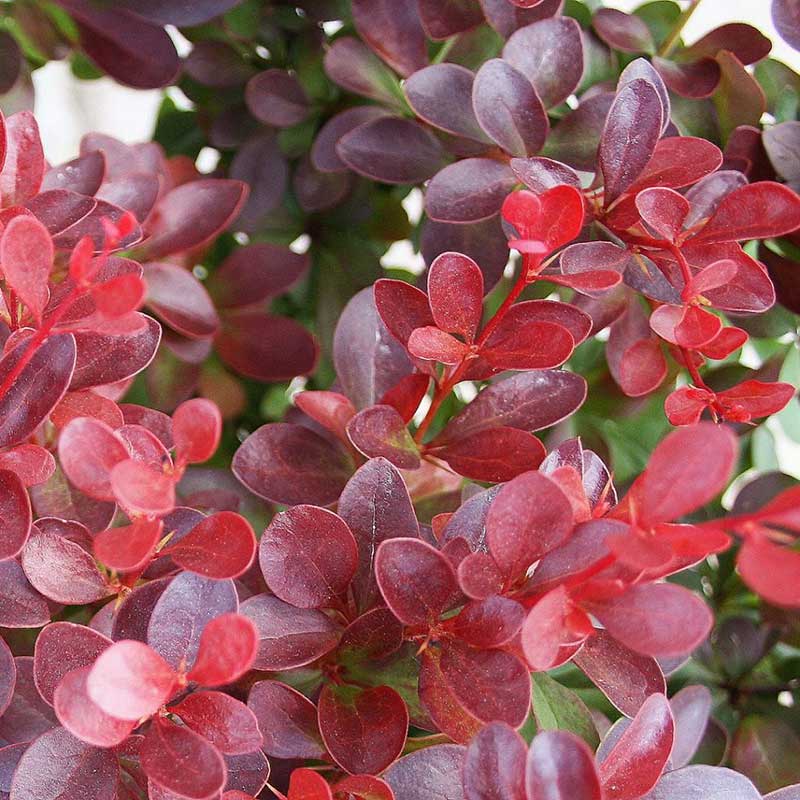
Berberis Barberry: A Drought-Tolerant Shrub for Color and Security
Berberis commonly known as barberry, a genus of deciduous and evergreen shrubs characterized by their thorny stems and vibrant foliage, is a durable woody plant frequently stocked at our Mundelein nursery. For homeowners in Riverwoods or Round Lake looking to add a permanent splash of burgundy, gold, or lime-green to their landscapes, this shrub is a functional choice. Its ability to grow in poor soil conditions and its natural defense mechanisms make it a steady performer in any North Suburb garden where year-round color and low-maintenance barriers are the primary goals.
Performance in Northern Illinois Soil
This shrub is hardy in our Zone 5b climate and is a representative selection for Midwest residential borders and commercial foundation plantings. While many ornamental shrubs struggle with the heavy, unyielding clay found throughout the region, the berberis barberry grows well in it, provided the site is well-drained. It is successful in the open, sun-drenched landscapes of Round Lake, where its root system can anchor firmly without requiring consistent irrigation once established. In Riverwoods, these plants act as a durable structural staple, emerging with high-contrast leaves in the spring that maintain their intensity throughout the intense heat of an Illinois summer.
Size, Spacing, and Growth Habit
Planning for the mounded or upright nature of this shrub ensures it provides the intended visual impact without obstructing walkways or encroaching on neighboring plants:
-
Average Height: Depending on the cultivar, the height can vary significantly. Compact varieties like 'Admiration' or 'Bagatelle' typically reach 1 to 2 feet tall, while upright, columnar types like 'Orange Rocket' can reach 4 to 5 feet tall. Standard mounded types often reach 3 to 4 feet.
-
Average Width: Most varieties develop a footprint spanning 2 to 4 feet wide.
-
Spacing Requirements: To create a solid, thorny hedge or a continuous color border, space plants 2 to 3 feet apart. This allows the branches to knit together, which is particularly useful if the plant is being used as a deterrent for foot traffic or wildlife.
Characteristics of Berberis Barberry
In the North Suburbs, this group of shrubs serves as a source of seasonal color and structural protection, addressing several specific gardening requirements:
-
Vibrant Foliage Spectrum: The primary appeal of this shrub is its leaves, which come in shades of deep purple, bright chartreuse, and warm coral. This characteristic is commonly utilized to provide a "color anchor" in a garden that would otherwise be dominated by green.
-
Natural Security Barrier: The stems are armed with sharp spines. This makes the shrub a functional choice for planting under windows or along property lines where a physical deterrent is desired.
-
Deer and Rabbit Resistance: Due to the thorns and the bitter taste of the foliage, this plant is avoided by most local wildlife, making it a practical choice for properties located near open forest preserves or fields.
-
Autumn Interest and Berries: In the fall, the foliage often intensifies in color, and many varieties produce small, bright red berries that persist into the winter, providing a visual contrast against the snow.
Planting and Maintenance Advice
To ensure your shrub remains healthy and maintains its vibrant leaf color each year, follow these straightforward care steps:
-
Full Sun Exposure: This is the most critical factor for foliage color. While they can grow in partial shade, varieties with burgundy or gold leaves will often "revert" to a dull green if they do not receive at least 6 hours of direct, unobstructed light daily.
-
Prioritize Drainage: While it is adaptable to clay, it will not grow in stagnant, standing water. In our heavy clay soil, ensure the planting site is well-drained or slightly elevated.
-
Minimal Pruning Needs: Barberry maintains a tidy, mounded shape with very little intervention. If pruning is required to maintain a specific size or to clean up old wood, it is best done in late winter or early spring before the new leaves emerge. Always wear heavy gloves when handling these plants due to the thorns.
-
Fertilization: It grows best in average soil and does not require heavy feeding. A light top-dressing of compost or a balanced slow-release fertilizer in the spring is sufficient for its nutrient needs.
-
Drought Tolerance: Once the root system is established, usually after the second growing season, this shrub is remarkably drought-tolerant and requires very little supplemental water, even during a dry August.
Frequently Asked Questions (Lake County Edition)
Is it invasive?
Some older varieties of Japanese Barberry have been noted for self-seeding in wooded areas. However, many modern cultivars are bred to be sterile or have very low seed production. If you are concerned about local ecology, look for these sterile selections.
Why is my plant losing its purple color?
This is almost always due to insufficient sunlight. If a purple-leafed barberry is moved to a shaded area, it will begin to produce more chlorophyll to compensate for the lack of light, causing the leaves to turn green.
Visit The Country Bumpkin Garden Center
We are located at the corner of Gilmer Rd & Hawley St in Mundelein. Stop by to see the various colors and growth habits of berberis barberry in person—from the tiny 'Crimson Pygmy' to the upright 'Helmond Pillar'—and find the right fit for your structural landscape. We are a local resource for gardeners across Mundelein, Round Lake, and the surrounding communities.
Call (847) 566-2176 or Send a Message to check current availability.
Varieties: Crimson Pygmy, Golden, Rose Glow, Sunjoy Mini Saffron, Sunjoy Neo, Sunjoy Sequins.
Image: Crimson Pygmy Barberry
See: Shrubs and Roses
Category: Sun Perennials - Sun Plants - Sunny Plants - Shrubs - Deciduous Shrubs - Barberry near me - Berberis