yellow coneflower
Ratibida Pinnata - Yellow Coneflower
Ratibida Pinnata Yellow Coneflower: The Vertical Gold of the Illinois Prairie
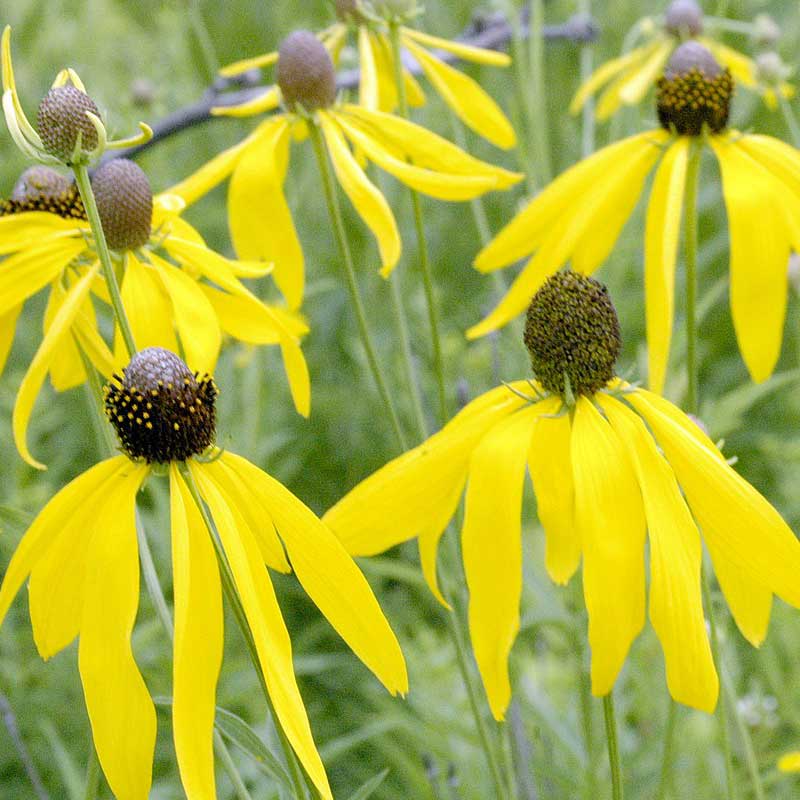
Ratibida pinnata yellow coneflower, also known as Grey-Headed Coneflower, is the most durable and graceful native species we offer at our Mundelein nursery. For homeowners in Round Lake Beach or Round Lake Heights looking to add a sense of movement and authentic prairie character to their sunny landscapes, this plant is an essential choice. Its distinctive drooping petals and tall, swaying stems make it a premier performer in any North Suburb garden where high-impact color and deep-rooted resilience are the priorities.
Performance in Northern Illinois Soil
This perennial is exceptionally hardy in our Zone 5b climate and is a true champion of the local ecosystem. While many ornamental flowers struggle with the heavy, unyielding clay and variable moisture levels typical of the region, the Ratibida pinnata yellow coneflower thrives in it, utilizing its deep taproot to reach nutrients and water. It is particularly successful in the open, sun-drenched properties of Round Lake Heights, where it can handle the transition from a wet spring to the intense, baking heat of an Illinois August. In Round Lake Beach, these plants act as a reliable "structural anchor" for native restoration projects or cottage-style gardens, providing a massive burst of gold during the hottest months of the year.
Size, Spacing, and Growth Habit
Planning for the tall, slender, and slightly airy habit of this plant is key to ensuring it provides the necessary vertical interest without flopping:
-
Average Height: At maturity, the flowering stalks typically reach 3 to 5 feet tall.
-
Average Width: Each individual clump maintains a tidy base with a spread of 18 to 24 inches wide.
-
Spacing Requirements: To create a dense "meadow" look or a sturdy backdrop, space plants 18 to 24 inches apart. This allows the root systems to establish while providing enough airflow to keep the stems strong.
Why Yellow Coneflower is a Practical Local Choice
In the North Suburbs, this group of perennials serves as a reliable source of late-summer drama and intense wildlife support, solving several specific gardening challenges:
-
Exceptional Pollinator Support: The protruding, grey-to-brown central cones are a favorite for native bees, butterflies, and beneficial insects.
-
Superior Drought Tolerance: Once the taproot is established, this plant is remarkably water-efficient, thriving in "hell strips" or slopes where other perennials would require constant irrigation.
-
Winter Interest and Seed Source: In the late fall, the dried seed heads turn a dark, architectural brown and provide an essential food source for Goldfinches and other overwintering songbirds.
-
Deer and Rabbit Resistance: The rough, sandpapery texture of the foliage and stems makes it highly unappealing to local wildlife, making it a safe choice for gardens near open forest preserves.
Planting and Maintenance Advice
To ensure your plant remains a vibrant focal point and maintains its upright, swaying structure, follow these straightforward care steps:
-
Prioritize Full Sun: This is the most critical factor for stem strength. If planted in too much shade, the tall stalks will "lean" or fall over. Ensure it receives at least 6 to 8 hours of direct, unobstructed light.
-
Avoid Over-Fertilizing: It thrives in "lean" or average soil. Too much nitrogen will result in rapid, weak growth that causes the plant to become "floppy." A simple top-dressing of compost in the spring is more than sufficient.
-
Minimal Watering Required: Once established, only water during extreme, multi-week droughts. Overwatering in heavy clay can lead to root issues.
-
Manage the Self-Seeding: This plant is a prolific seeder. If you want to prevent it from colonizing a larger area, remove the seed heads in early autumn. However, leaving them provides great winter character.
-
Fall or Spring Cleanup: You can cut the stems back to the ground in late fall, but we recommend waiting until early spring. This allows local wildlife to utilize the stems and seeds throughout the winter months.
Frequently Asked Questions (Lake County Edition)
Why are the petals drooping?
That is their natural, intended look! Unlike traditional daisies, the petals of the Ratibida pinnata yellow coneflower point downward to highlight the prominent central cone, which is why it is often called the "reflexed" coneflower.
Is it the same as a Black-Eyed Susan?
No. While they share a similar color palette, the Ratibida grows much taller, has a more airy habit, and features a cone that is much more pronounced and greyish before it matures.
Visit The Country Bumpkin Garden Center
We are located at the corner of Gilmer Rd & Hawley St in Mundelein. Stop by to see the incredible verticality of the Ratibida pinnata yellow coneflower in person and find the right fit for your sunny landscape. We are proud to be a local resource for gardeners across Mundelein, Round Lake Beach, and the surrounding communities.
Call (847) 566-2176 or Send a Message to check current availability.
Image: Frank Mayfield from Chicago area, USA, CC BY-SA 2.0, via Wikimedia Commons
See: Perennials
Category: Sun Perennials - Sun Plants - Sunny Plants - Yellow coneflower near me - Ratibida pinnata