wild petunia
Ruellia Humilis - Wild Petunia
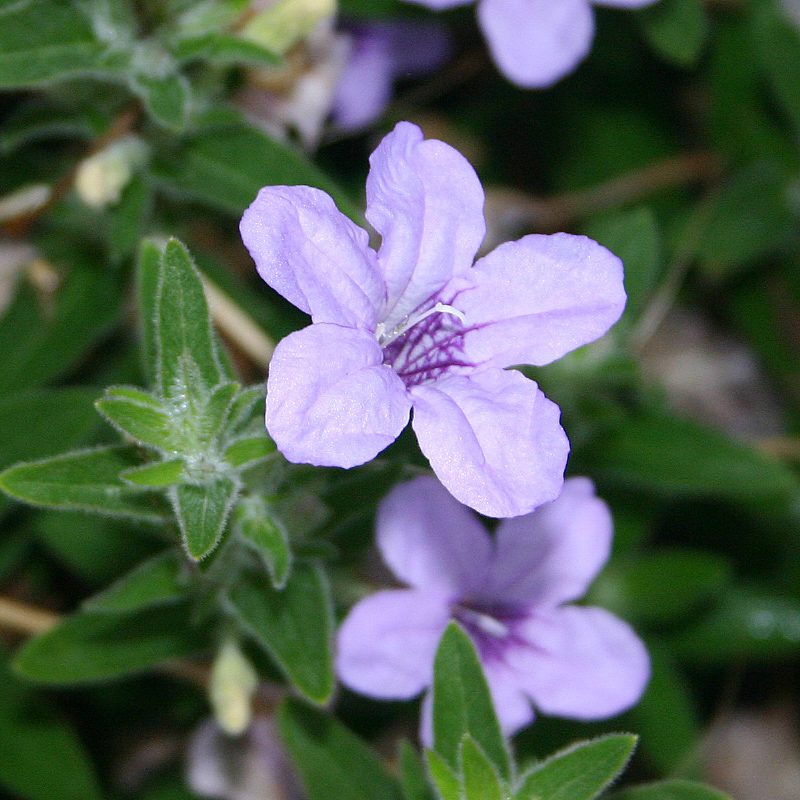
Wild Petunia: The Resilient Violet Gem of the Illinois Landscape
Ruellia caroliniensis, known as wild petunia, is an adaptable native perennial we offer at our Mundelein nursery. For homeowners in Tower Lakes or Vernon Hills looking to add a delicate wash of lavender-blue and a soft, fuzzy texture to their garden edges, this plant is an essential choice. Its ability to thrive in a variety of light conditions and its charming, trumpet-shaped blossoms make it a premier performer in any North Suburb garden where low-maintenance beauty and ecological value are required.
Performance in Northern Illinois Soil
This perennial is exceptionally hardy in our Zone 5b climate and is a celebrated native of the Midwest open woodlands and prairies. While many ornamental flowers struggle with the heavy, compacted clay typical of the region, the wild petunia thrives in it, provided the site is not perpetually waterlogged. It is particularly successful in the shaded or dappled landscapes of Vernon Hills, where its deep root system can anchor firmly into the earth. In Tower Lakes, these plants act as a reliable "filler" for native restoration projects or cottage-style borders, emerging with hairy, light-green foliage that remains attractive from late spring until the first hard frost of autumn.
Size, Spacing, and Growth Habit
Planning for the mounded and slightly sprawling nature of this plant is key to ensuring it provides a lush ground-level display without being overshadowed:
-
Average Height: At maturity, the plant typically reaches 1 to 2 feet tall.
-
Average Width: Each individual clump forms a soft, spreading footprint of 12 to 18 inches wide.
-
Spacing Requirements: To create a naturalized "carpet" or a solid border, space plants 12 to 15 inches apart. This allows the foliage to knit together while maintaining enough airflow to keep the stems healthy.
Why Wild Petunia is a Practical Local Choice
In the North Suburbs, this group of perennials serves as a reliable source of mid-summer color and wildlife support, solving several specific gardening challenges:
-
Extraordinary Versatility: It is one of the rare plants that is equally comfortable in full sun or partial shade, making it a perfect "bridge" plant for areas where light levels transition.
-
Continuous Summer Bloom: From June through August, it produces fresh five-lobed flowers every day. While individual blooms only last a day, the plant is a prolific producer of new buds.
-
Critical Pollinator Habitat: It is the primary host plant for the Common Buckeye butterfly caterpillar and a favorite nectar source for long-tongued bees and hummingbirds.
-
Superior Drought Tolerance: Once established, it is remarkably water-efficient, thriving in the "dog days" of August with far less supplemental irrigation than traditional garden annuals.
Planting and Maintenance Advice
To ensure your plant remains a vibrant focal point and returns with vigor each spring, follow these straightforward care steps:
-
Prioritize Dappled Light: While it can handle full sun, it often looks its best in partial shade, where the delicate lavender color of the flowers doesn't wash out in the mid-day heat.
-
Manage the Self-Seeding: This plant uses a unique "explosive" seed dispersal method. If you want to prevent it from colonizing a larger area, remove the seed pods before they turn brown and dry.
-
Minimal Fertilizer: It thrives in "average" to lean soil. Too much nitrogen will result in leggy stems and fewer flowers. A light top-dressing of compost in the spring is all it needs.
-
Avoid Over-Watering: Like many native prairie species, it prefers to dry out slightly between waterings. In our heavy clay soil, ensure the planting site is well-drained.
-
Spring Cleanup: Wait until early spring to cut the old stems back to the ground. This allows overwintering insects to utilize the hollow stems during the coldest months.
Frequently Asked Questions (Lake County Edition)
Is it related to the petunias in my hanging baskets?
No. While the flowers look similar, the wild petunia is a true perennial in the Acanthaceae family, whereas common annual petunias are in the Nightshade family. Ruellia is much hardier and returns year after year.
Why does it look different every morning?
The blossoms are "ephemeral," meaning they open in the morning and fall off by evening. However, the plant is such a heavy bloomer that a new set of flowers will take their place the very next day.
Visit The Country Bumpkin Garden Center
We are located at the corner of Gilmer Rd & Hawley St in Mundelein. Stop by to see the incredible resilience of the wild petunia in person and find the right fit for your sun-to-shade transition spots. We are proud to be a local resource for gardeners across Mundelein, Vernon Hills, and the surrounding communities.
Call (847) 566-2176 or Send a Message to check current availability.
Image: Wild petunia.
See: Perennials
Category: Sun Perennials - Sun Plants - Sunny Plants - Wild petunia near me - Ruellia humilis