veronica
Speedwell - Veronica
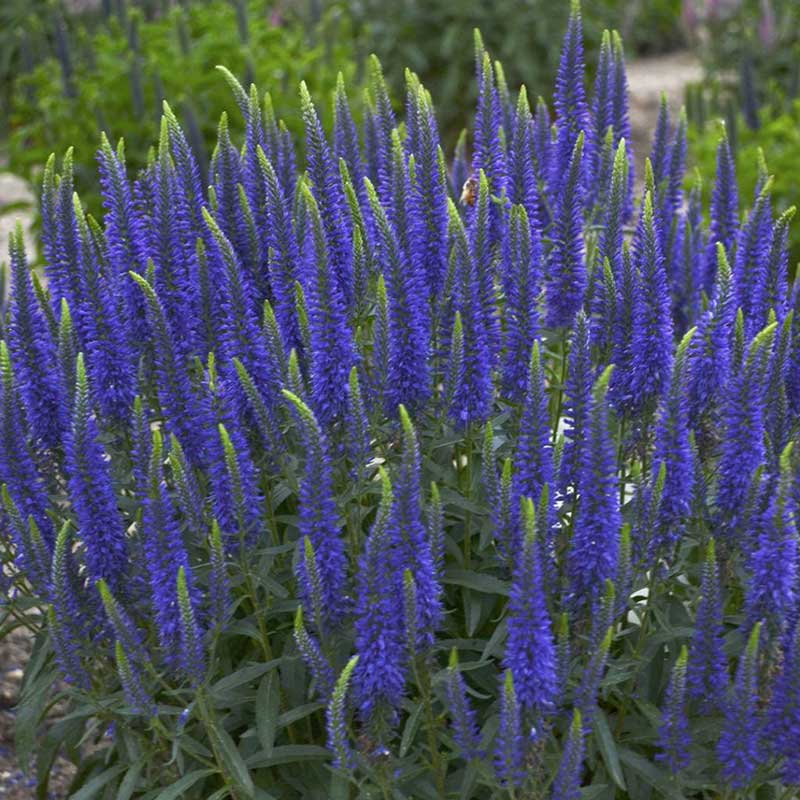
Veronica: A Versatile Spike-Flowering Perennial for Illinois Gardens
Veronica, commonly known as speedwell, is a reliable, sun-loving perennial in the Plantaginaceae family and is a plant frequently stocked at our Mundelein nursery. For homeowners in Lake Forest or Lake Villa looking to add vertical flower spikes and a neat, mounded growth habit to their garden beds, this plant is a functional choice. Its ability to grow in various soil types and its long flowering window make it a steady performer in any North Suburb garden where consistent color and tidy foliage are the primary goals.
Performance in Northern Illinois Soil
This perennial is hardy in our Zone 5b climate and is a representative selection for Midwest perennial borders. While some ornamental flowers struggle with the heavy, unyielding clay found throughout the region, veronica grows well in it, provided the site is well-drained and receives adequate sunlight. It is successful in the open, sun-drenched landscapes of Lake Villa, where its root system can anchor firmly and support the upright stems. In Lake Forest, these plants act as a durable structural staple, emerging with clean, lance-shaped green leaves that remain present from early spring until the first hard frost of autumn.
Size, Spacing, and Growth Habit
Planning for the mounded and upright nature of this plant ensures it provides a structured element in the mid-border without being overcrowded by larger shrubs:
-
Average Height: Depending on the cultivar, the plant typically reaches 12 to 24 inches tall. Dwarf varieties stay compact at 8 to 10 inches, while taller types can reach up to 3 feet.
-
Average Width: Each individual clump forms a sturdy, multi-stemmed footprint of 12 to 18 inches wide.
-
Spacing Requirements: To create a solid wash of color or a continuous border, space plants 12 to 15 inches apart. This allows the foliage to expand while maintaining enough airflow to prevent moisture-related foliage issues.
Characteristics of Veronica
In the North Suburbs, this group of perennials serves as a source of early-to-mid summer color and wildlife support, addressing several specific gardening requirements:
-
Dense Flower Spikes: The plant produces slender, tapered racemes of tiny flowers, appearing in shades of deep blue, purple, pink, or white. This characteristic is commonly utilized to provide a vertical contrast to the rounded flower shapes of roses or daisies.
-
Neat Foliage Texture: The leaves are typically arranged in opposite pairs or whorls along the stems, creating a dense, bushy appearance that stays attractive even when the plant is not in bloom.
-
Pollinator Support: The nectar-rich flower spikes are a frequent food source for honeybees, bumblebees, and butterflies during the peak of the summer growing season.
-
Drought Resistance: Once established, the plant is water-efficient, maintaining its health during the heat of July with less supplemental irrigation than many other herbaceous perennials, provided it has been sited correctly.
Planting and Maintenance Advice
To ensure your plant remains healthy and produces a prolific amount of flower spikes each year, follow these straightforward care steps:
-
Full Sun Exposure: This is the most critical factor for flower production and stem strength. To prevent the plant from becoming leggy or failing to bloom, provide at least 6 to 8 hours of direct, unobstructed light daily.
-
Deadheading for Rebloom: Removing the spent flower spikes (deadheading) is a necessary maintenance task. Cutting the stems back to the next lateral bud or the basal foliage once the first flush of flowers fades encourages the plant to produce a secondary round of blooms.
-
Soil and Drainage: While it is adaptable to clay, it will not grow in stagnant, standing water. In our heavy clay soil, ensure the planting site is well-drained or slightly elevated to avoid crown rot, particularly during wet winters.
-
Minimal Fertilizer: It grows best in average soil. Excessive nitrogen can result in rapid foliage growth at the expense of sturdy flower spikes. A light top-dressing of compost in the spring is sufficient for its nutrient needs.
-
Division Frequency: Every 3 to 4 years, dig up the clump in early spring or late autumn to divide it. This rejuvenation prevents the center of the plant from becoming woody and sparse, ensuring continued vigor.
Frequently Asked Questions (Lake County Edition)
Is it the same as the groundcover speedwell?
The genus Veronica includes both the upright border plants and low-growing, creeping varieties. While they share the same flower shape, the border varieties are selected for their height and structural presence.
Why are the leaves turning grey and dusty?
In humid Illinois summers, veronica can be susceptible to powdery mildew. The best defense is to provide full sun, ensure proper spacing for airflow, and avoid overhead watering to keep the foliage dry.
Visit The Country Bumpkin Garden Center
We are located at the corner of Gilmer Rd & Hawley St in Mundelein. Stop by to see the various cultivars of veronica in person—including the vibrant blue 'Royal Candles' or the soft pink 'First Love'—and find the right fit for your sun-drenched landscape. We are a local resource for gardeners across Mundelein, Lake Villa, and the surrounding communities.
Call (847) 566-2176 or Send a Message to check current availability.
Varieties: Charlotte, Kiss the Sky, Purple Gum Candles, Southern Cross, Tidal Pool, Waterperry, Whitewater, Wizard of Ahhs, Lavender.
Image: ‘Wizard of Ahhs’
See: Perennials
Category: Sun Perennials - Sun Plants - Sunny Plants - Veronica