trillium
Wood Lily - Trillium
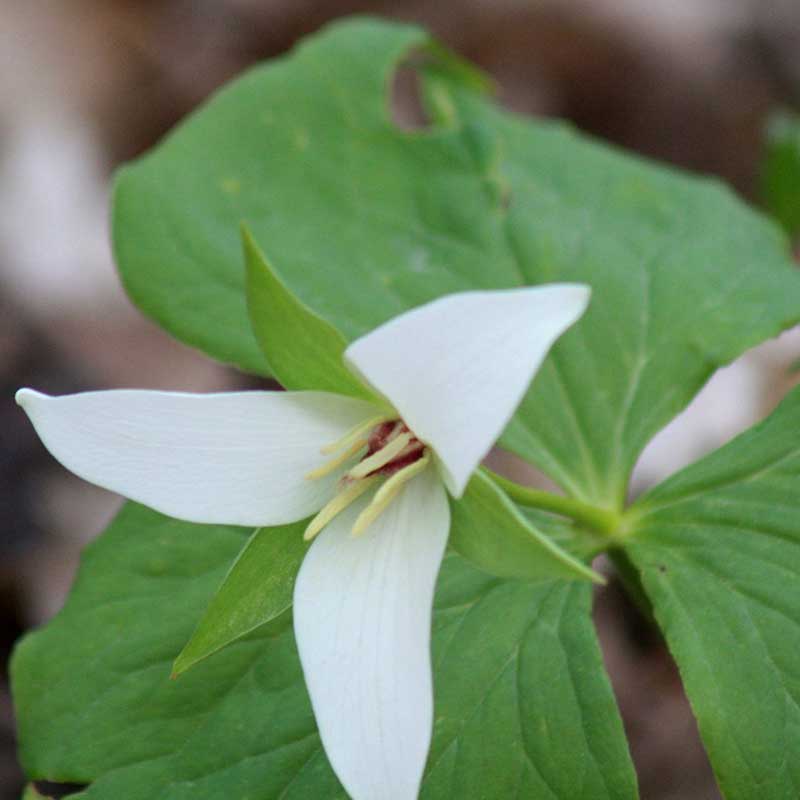
Trillium: A Structural Woodland Perennial for Shaded Illinois Gardens
Trillium, a distinctive and long-lived genus of the Melanthiaceae family, is a spring-blooming ephemeral frequently stocked at our Mundelein nursery. For homeowners in Deerfield or Deer Park looking to add a sense of the native Illinois forest floor to their shaded landscapes, this plant is a functional choice. Its unique three-leaf and three-petal geometry and its slow-growing nature make it a steady performer in any North Suburb garden where botanical interest and seasonal transition are the primary goals.
Performance in Northern Illinois Soil
This perennial is hardy in our Zone 5b climate and is a representative species of the original Midwest deciduous woodlands. While some ornamental flowers struggle with the heavy, moisture-retentive clay found throughout the region, trillium grows well in it, provided the site is rich in organic matter. It is successful in the established, canopy-shaded landscapes of Deer Park, where the soil remains cool and damp during the spring growing window. In Deerfield, these plants act as a durable spring indicator, emerging with broad, whorled leaves that remain present from April until the plant goes dormant in the heat of late summer.
Size, Spacing, and Growth Habit
Planning for the slow-growing and mounded nature of this plant ensures it provides a structured focal point without being crowded by more aggressive groundcovers:
-
Average Height: Depending on the species and soil richness, the plant typically reaches 12 to 18 inches tall.
-
Average Width: Each individual clump forms a sturdy, singular stem system spanning 12 to 15 inches wide.
-
Spacing Requirements: To create a naturalized woodland colony, space plants 12 inches apart. This allows the broad leaves to touch and form a canopy over the soil, helping to retain the moisture the roots require.
Characteristics of Trillium
In the North Suburbs, this group of perennials serves as a source of early-spring color and structural interest, addressing several specific gardening requirements:
-
The Rule of Three: The plant is defined by its mathematical symmetry. It possesses three leaves, three sepals, and three petals. This characteristic is commonly noted by collectors and native plant enthusiasts.
-
Spring Ephemeral Life Cycle: The plant completes its primary growth and flowering cycle before the forest canopy fully leaf out. In the home garden, it provides interest while many other perennials are still emerging from the soil.
-
Pollinator Support: The flowers—appearing in shades of white, maroon, or yellow—are a nectar and pollen source for native bees and flies that are active in the early, cooler weeks of the spring.
-
Seed Dispersal Ecology: The seeds possess an oily attachment called an elaiosome, which attracts ants. The ants carry the seeds to their nests, providing a natural planting mechanism that helps the colony expand over many years.
Planting and Maintenance Advice
To ensure your plant remains healthy and returns with vigor each spring, follow these straightforward care steps:
-
Light Exposure: This plant requires shade to partial shade. In our region, it maintains its best foliage quality when protected from the intense, direct sun of the afternoon. A site under deciduous trees is ideal, as it provides spring sun followed by summer shade.
-
Soil Enrichment: It thrives in soil that mimics the forest floor. In our heavy clay soil, amending the planting site with leaf mold, composted bark, or well-rotted manure is necessary to provide the loose, nutrient-dense environment the rhizomes prefer.
-
Consistent Spring Moisture: While it can handle drier conditions during its late-summer dormancy, it requires consistent moisture while the leaves are active. Supplemental watering during a dry May is recommended to ensure the plant can store enough energy for the following year.
-
Understand Dormancy: A specific maintenance trait of trillium is that it often goes dormant and disappears by mid-August. This is a natural part of its life cycle and does not indicate the plant has died. Mark the planting location with a stake to avoid digging into the rhizomes during fall garden cleanup.
-
Avoid Disturbance: Unlike many other perennials, these do not require frequent division. They prefer to be left undisturbed for years. If you must move them, do so in the late summer or early autumn after the foliage has begun to yellow.
Frequently Asked Questions (Lake County Edition)
Is it protected?
While many wild species are protected by law from being harvested in the wild, the plants we offer are nursery-propagated. It is important to never dig up wild trilliums, as they rarely survive the transition and it depletes the local ecosystem.
How long does it take to flower?
If started from seed, it can take 5 to 7 years to produce its first bloom. However, the established plants available at our garden center are already at a flowering age, allowing you to enjoy their symmetry immediately.
Visit The Country Bumpkin Garden Center
We are located at the corner of Gilmer Rd & Hawley St in Mundelein. Stop by to see the growth habit of trillium in person—from the classic Large-Flowered White to the unique maroon Toadshade—and find the right fit for your woodland landscape. We are a local resource for gardeners across Mundelein, Deerfield, and the surrounding communities.
Call (847) 566-2176 or Send a Message to check current availability.
Varieties: White.
Image: Large-flowered Trillium.
See: Perennials
Category: Sun Perennials - Sun Plants - Sunny Plants - Trillium near me - Wood lily