sneezeweed
Helenium - Sneezeweed
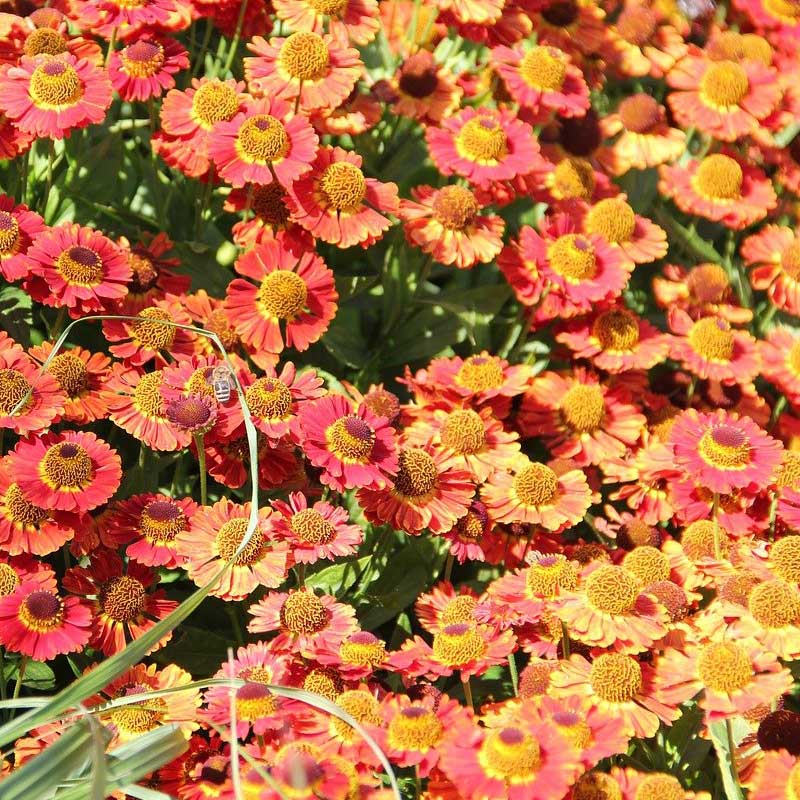
Sneezeweed (Helenium): Radiant Autumn Color for Lake County
Helenium, famously known as sneezeweed, is one of the most high-impact native perennials we offer at our Mundelein nursery. For homeowners in Highland Park or Highwood looking to bridge the gap between late summer and the first frost with saturated tones of copper, gold, and crimson, this plant is an essential choice. Its distinctive daisy-like flowers with prominent, spherical centers make it a premier performer in any sun-drenched Northern Illinois garden bed.
Performance in Northern Illinois Soil
This perennial is remarkably hardy in our Zone 5b climate, as it is a true descendant of the American prairie. While many ornamental flowers struggle with the heavy, moisture-retaining clay found throughout the region, sneezeweed actually prefers it. It is particularly successful in the low-lying or damp areas of Highland Park, where it can handle the transition from a soggy spring to the intense humidity of an Illinois August. These plants have a fibrous root system that allows them to remain anchored and hydrated when other perennials might begin to wilt.
For the best results, plant it in full sun. To produce its maximum number of blooms and maintain sturdy, upright stems, the plant needs at least 6 to 8 hours of direct light. In Highwood, where many residential lots feature open, sunny borders, these plants act as a durable late-season anchor that requires very little intervention once they have established their root systems.
Why this Prairie Classic is a Practical Local Choice
In the North Suburbs, this group of perennials serves as a vital ecological resource and structural focal point, solving several specific gardening challenges:
-
Late-Season Pollinator Support: The nectar-rich centers of the sneezeweed are a favorite for honeybees and migrating Monarch butterflies, providing a critical food source in September and October.
-
Exceptional Color Range: Few plants can match the "burnt-orange" and "deep mahogany" palettes of this genus, which perfectly complement the changing autumn leaves in Highland Park.
-
Deer and Rabbit Resistance: The foliage contains bitter compounds that make the plant highly unappealing to the wildlife that roam near the local forest preserves.
-
Sturdy Vertical Presence: Because it grows in upright clumps ranging from 3 to 5 feet tall, it provides a "wall of color" that stands up well to the wind and rain of a typical Illinois autumn.
Planting and Maintenance Advice
To ensure your sneezeweed remains a vibrant focal point and does not become overly "top-heavy" in your garden, follow these straightforward care steps:
-
The "Chelsea Chop": To keep the plant shorter and avoid the need for staking, cut the stems back by about one-third in early June. This encourages a bushier habit and even more flower heads in your Highwood garden.
-
Consistent Moisture: This is the most critical factor. While they love the sun, they do not like to dry out completely. If the soil in your Highland Park garden becomes parched in July, the lower leaves may turn brown.
-
Deadheading for Longevity: Snip off the spent flower heads to encourage the plant to continue producing new buds well into October.
-
Division: Every 3 years, the clumps may become overcrowded or thin in the center. Dig the plant up in early spring, divide the root mass with a sharp spade, and replant to maintain vigor.
-
Spring Cleanup: Wait until early April to cut the old stems back to the ground. This protects the crown from the "freeze-thaw" cycles common in a typical Lake County winter.
Reliable Companion Plants for our Area
To create a pleasant, multi-layered look in the garden, consider pairing Sneezeweed with these specific varieties:
-
Aster: As both plants reach their peak in late summer and autumn, they create a stunning seasonal finale. The cool blues and deep purples of Asters provide a brilliant color contrast to the warm yellows, oranges, and brick-reds of the Sneezeweed.
-
Joe Pye Weed: For a dramatic and structural display, the massive, dusty-rose flower heads of Joe Pye Weed serve as a perfect backdrop for the daisy-like blooms of Sneezeweed. Both thrive in the same sunny, moist soil conditions and are exceptional at attracting late-season butterflies.
-
Switchgrass: This tall, upright ornamental grass offers a fine-textured, airy contrast to the bold, mounded habit of Sneezeweed. As the flowers begin to fade, the golden-amber autumn tones of the grass complement the Sneezeweed’s drying seed heads, extending the garden's visual interest into winter.
-
Blazing Star: The vertical, fuzzy purple spikes of Blazing Star offer a superb architectural counterpoint to the rounded, prominent central cones of the Sneezeweed. This pairing is a powerhouse for local pollinators and provides a diverse range of shapes and textures for a sunny prairie-style border.
Frequently Asked Questions (Lake County Edition)
Will it make me sneeze?
No! The name sneezeweed comes from the historic use of its dried leaves to make snuff, not from its pollen. Since it is pollinated by insects and not the wind, it is a safe choice for hay fever sufferers in Highwood.
Does it need a lot of fertilizer?
No. In fact, too much fertilizer can lead to weak, floppy stems. A simple top-dressing of organic compost in the spring is all the energy it needs to thrive in your Highland Park yard.
Visit The Country Bumpkin Garden Center
We are located at the corner of Gilmer Rd & Hawley St in Mundelein. Stop by to see the incredible variety of sneezeweed colors we carry and find the right variety for your sunny borders. We are proud to be a local resource for gardeners across Mundelein, Highwood, and the surrounding communities.
Call (847) 566-2176 or Send a Message to check current availability.
_________________________________________________________________________
Varieties: Short n Sassy.
Image: Sneezeweed
See: Perennials
Category: Sun Perennials - Sun Plants - Sunny Plants - Sneezeweed near me - Helenium