shasta daisy
Leucanthemum - Shasta Daisy
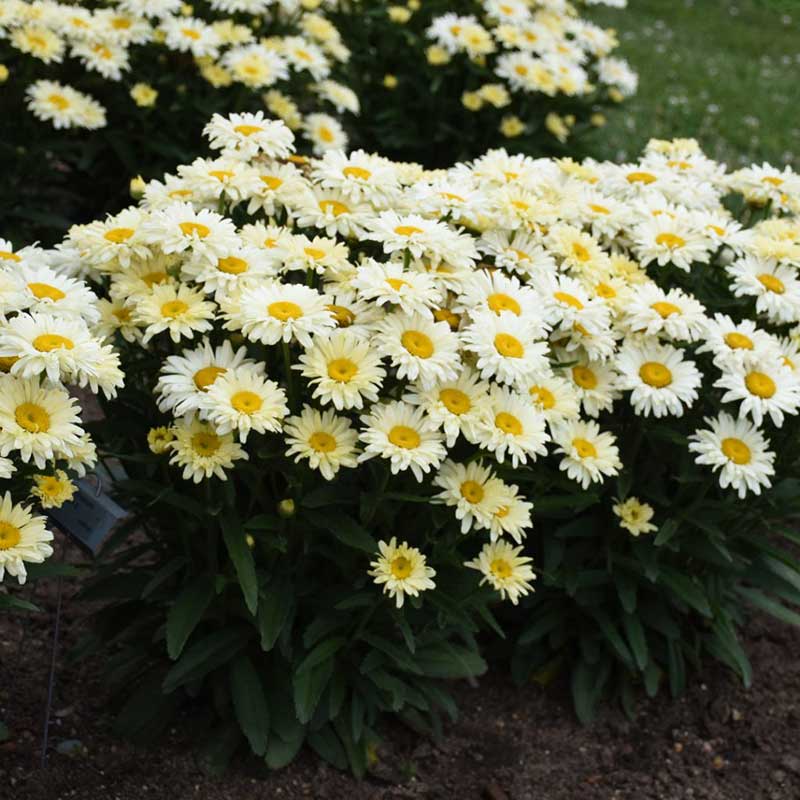
Shasta Daisy: The Quintessential Summer Classic for Lake County
Leucanthemum × superbum, universally known as the shasta daisy, is the most cheerful and iconic summer perennial we offer at our Mundelein nursery. For homeowners in Zion or Antioch looking to add a burst of crisp white and sunny yellow to their borders, this plant is an essential choice. Its sturdy stems and prolific, daisy-like blooms make it a premier performer in any North Suburb garden where reliable, long-lasting color and a "cottage garden" feel are desired.
Performance in Northern Illinois Soil
This perennial is remarkably hardy in our Zone 5b climate, though it performs best when given a spot with excellent drainage. While many ornamental flowers struggle with the heavy, compacted clay found throughout the region, a well-sited shasta daisy thrives in it, provided the soil is amended with organic matter. It is particularly successful in the open, sun-drenched landscapes of Antioch, where it can handle the transition from a cool spring to the intense, humid heat of an Illinois July. In Zion, these plants act as a durable anchor in the middle of the border, returning with increasing vigor each season.
Size, Spacing, and Growth Habit
Planning for the upright, clumping habit of this plant ensures it remains a focal point without overwhelming its neighbors:
-
Average Height: Depending on the variety, the foliage mound typically reaches 12 to 18 inches tall, with flower stalks soaring to 2 to 3 feet tall.
-
Average Width: Mature plants form a dense, bushy clump spanning 18 to 24 inches wide.
-
Spacing Requirements: To ensure adequate air circulation and prevent fungal issues in our humid summers, space plants at least 2 feet apart.
Why Shasta Daisy is a Practical Local Choice
In the North Suburbs, this group of perennials serves as a reliable source of mid-summer brightness, solving several specific gardening challenges:
-
Exceptional Bloom Duration: A single shasta daisy can provide continuous color from early June through late August if properly maintained.
-
The Ultimate Cut Flower: The rigid, leafless stalks and long-lasting blossoms are a favorite for indoor arrangements and summer bouquets.
-
Pollinator Magnet: The flat, open centers are easily accessible to honeybees, butterflies, and beneficial predatory insects.
-
Deer and Rabbit Resistance: The somewhat coarse foliage is generally ignored by the wildlife that roam near the local forest preserves.
Planting and Maintenance Advice
To ensure your plant remains a vibrant focal point and produces an abundance of its cheerful flowers year after year, follow these straightforward care steps:
-
Deadheading is Mandatory: To keep the plant blooming for months, remove spent flower heads regularly. This prevents the plant from putting energy into seed production.
-
The Summer Refresh: If the foliage begins to look a bit "worn" after the first heavy flush of flowers, you can shear the plant back by about one-third to encourage a fresh mound of green.
-
Division Frequency: Every 2 to 3 years, the center of the clump may become woody or die out. Dig the plant up in early spring, divide the vigorous outer sections, and replant to maintain health.
-
Full Sun is Best: To maintain sturdy stems and maximize flower count, the plant needs at least 6 to 8 hours of direct, unobstructed sunlight.
-
Prioritize Winter Drainage: Like many perennials in our area, they are more likely to die from "wet feet" in the winter than from the cold. Avoid planting in low-lying spots.
Frequently Asked Questions (Lake County Edition)
Does it need staking?
Most modern cultivars are bred for sturdy stems. However, the taller, traditional varieties may benefit from a simple hoop stake if they are planted in an exceptionally windy location.
Why did mine stop blooming?
The most common reasons are a lack of sunlight or the plant needing to be divided. Also, ensure you are deadheading the spent blooms to keep the plant in its reproductive cycle.
Visit The Country Bumpkin Garden Center
We are located at the corner of Gilmer Rd & Hawley St in Mundelein. Stop by to see the incredible variety of shasta daisy cultivars we carry—from the compact 'Snowcap' to the ruffled 'Becky.' We are proud to be a local resource for gardeners across Mundelein, Antioch, and the surrounding communities.
Call (847) 566-2176 or Send a Message to check current availability.
Varieties: Banana Cream, Daisy Becky, Belgian Lace, Daisy May, Snowcap.
Image: ‘Banana Cream’
See: Perennials
Category: Sun Perennials - Sun Plants - Sunny Plants - Shasta daisy near me - Leucanthemum