scotch moss
Sagina Subulata - Arenaria Verna- Scotch Moss
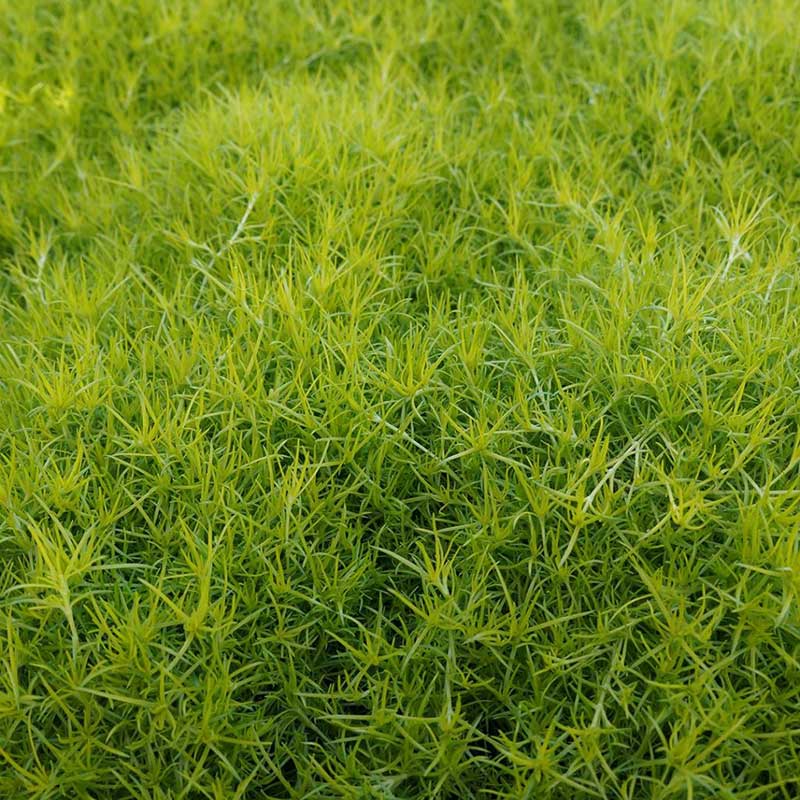
Scotch Moss (Sagina subulata ‘Aurea’): Vibrant Groundcover for Lake County
Sagina subulata ‘Aurea’, universally known as scotch moss, is a popular accent plants we offer at our Mundelein nursery. Despite its name, it is not a true moss, but a member of the pink family that produces tiny white flowers in late spring. It is a go-to choice for homeowners in Hawthorn Woods, Kildeer, and Lake Forest who want to add a neon-yellow pop of color between flagstones or in fairy gardens.
Performance in Northern Illinois Soil
This groundcover is prized for its dense, carpet-like growth habit that rarely exceeds one inch in height. In neighborhoods like Long Grove and Ivanhoe, where gardens often feature stone paths or rockeries, scotch moss provides a soft, moss-like texture that remains vibrant from spring through autumn. While it is hardy in our Zone 5b climate, it can be sensitive to the extreme "wet-dry" swings of Lake County weather.
For the best results, it should be planted in a spot with partial sun to bright, filtered shade. In the intense afternoon heat of a Libertyville or Vernon Hills summer, the delicate foliage of scotch moss can scorch if the soil is allowed to dry out completely. Conversely, in the heavy, poorly drained clay common in Round Lake or Volo, it may suffer from root rot if it sits in stagnant water during a rainy May.
Why this Golden Groundcover is a Practical Local Choice
In the North Suburbs, this low-growing perennial serves as a high-contrast filler, solving several specific gardening challenges:
-
Ideal for Narrow Gaps: It is the perfect scale for planting between pavers or stepping stones in a Deer Park or Lake Zurich walkway, where it creates a "living grout" look.
-
Luminous Color: The chartreuse-to-gold foliage of scotch moss brightens up darker corners of the garden, providing a much higher impact than standard green groundcovers.
-
Non-Invasive Habit: Unlike some creeping plants that take over the entire bed, this variety grows in tight, slowly expanding mounds that are easy to keep in bounds in a small Hainesville or Park City garden.
-
Deer Resistance: While it looks soft and inviting, it is generally ignored by the deer populations that roam near the forest preserves in Mettawa and Riverwoods.
Planting and Maintenance Advice
To ensure your scotch moss stays lush and avoids "browning out" in the center, follow these straightforward care steps:
-
Consistent Moisture: This is the most critical factor. The roots are very shallow, so they cannot tap into deep groundwater during a drought in Wauconda or Island Lake. Check the soil frequently and provide a light misting or watering during heatwaves.
-
Improve Drainage: If planting in heavy clay, mix in a bit of compost or fine gravel before planting. This is especially important in newer developments in Lakemoor or Gages Lake where soil compaction is high.
-
Foot Traffic: It can handle occasional light foot traffic—like a pet walking across it—but it is not a replacement for a lawn. For paths in Tower Lakes or North Barrington, place it just outside the main "step zone" of the stones.
-
Dividing Mounds: If the center of a mound begins to look brown or tired after a few years, simply dig it up in early spring, pull it into smaller tufts, and replant them. This keeps the growth vigorous and fresh.
-
Spring Cleanup: Avoid raking this plant aggressively in the spring. Instead, gently pick away any fallen leaves or debris by hand to avoid tearing the delicate stems in your Mundelein garden.
Reliable Companion Plants for our Area
To create a pleasant, multi-layered look in the garden, consider pairing Scotch Moss with these specific varieties:
-
Irish Moss: For a subtle, textured contrast, mixing the chartreuse foliage of Scotch Moss with the deep forest green of its close relative, Irish Moss, creates a beautiful "quilted" effect. Both plants share identical growing requirements and thrive when used together as a living carpet between stepping stones.
-
Blue Star Creeper (Isotoma): The tiny, star-shaped pale blue flowers of this low-growing perennial look stunning as they peek through the golden-yellow foliage of Scotch Moss. Both plants are excellent for filling narrow gaps and maintain a consistent, moss-like height that stays neat throughout the season.
-
Dwarf Crested Iris (Iris cristata): This petite, early-blooming iris rises just a few inches above the ground, making it a perfect companion for a Scotch Moss base. The delicate blue or violet blooms contrast beautifully with the bright yellow-green mat of the moss in late spring.
-
Hens and Chicks (Sempervivum): The structural, rosette shapes of these succulents provide a firm, geometric contrast to the soft, velvety texture of Scotch Moss. When planted in well-drained pockets of a rock garden, the moss fills the spaces around the rosettes, acting as a vibrant, colorful "grout" between the plants.
Frequently Asked Questions (Lake County Edition)
Does it stay yellow all year?
In our Northeastern Illinois climate, scotch moss will hold its bright color through the first few frosts. It typically turns a duller green or brownish-yellow during the peak of winter and then brightens back up as soon as the ground thaws in March.
Why did my plant get a brown spot in the middle?
This is usually caused by either extreme drought or a patch of standing water. Ensuring the soil stays "damp but not soaked" is the best way to maintain a solid carpet in your Wildwood or Grayslake yard.
Visit The Country Bumpkin Garden Center
We are located at the corner of Gilmer Rd & Hawley St in Mundelein. Stop by to see the vibrant color of scotch moss in person and get advice on how to incorporate it into your stone paths or garden beds. We are proud to be a local resource for gardeners across Mundelein, Hawthorn Woods, Kildeer, and Lake County.
Call (847) 566-2176 or Send a Message to check current availability.
Image: Scotch Moss
See: Perennials
Category: Sun Perennials - Sun Plants - Sunny Plants - Scotch moss near me - Arenaria verna