rosa
Rose - Roses
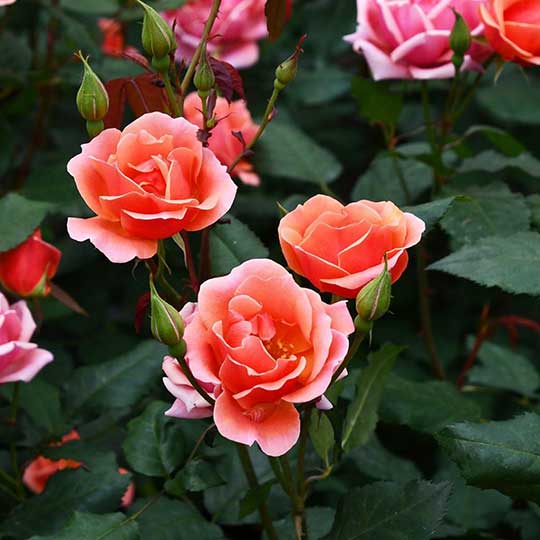
Roses: A Traditional Flowering Genus for the Illinois Landscape
Roses (Rosa), a genus of woody perennial flowering plants in the Rosaceae family, are a foundational element in Midwest horticulture available at our Mundelein nursery. For homeowners in Libertyville or Lincolnshire looking to add substantial summer color and a classic architectural presence to their properties, this genus is a functional choice. Its ability to provide repeated floral displays from late spring through the first frost makes it a steady performer in any North Suburb garden where seasonal transitions and reliable garden definition are the primary goals.
Performance in Northern Illinois Soil
This genus is hardy in our Zone 5b climate and is a representative selection for residential foundation plantings, mixed perennial borders, and formal garden designs. While many ornamental shrubs struggle with the heavy, unyielding clay found throughout the region, many modern roses grow well in it, provided the site is amended with organic matter to improve drainage and nutrient availability. They are successful in the open, sun-drenched landscapes of Lincolnshire, where their root systems can anchor firmly in rich, mulched soil. In Libertyville, these plants act as a durable architectural staple, emerging with reddish-bronze or bright green compound leaves in the spring that provide a lush backdrop for the iconic blossoms that follow.
Size, Spacing, and Growth Habit
Planning for the mature dimensions of these shrubs ensures they provide the intended visual impact without requiring excessive maintenance or encroaching on walkways:
-
Shrub Roses (e.g., Knock Out series): Typically reach 3 to 4 feet tall and 3 to 4 feet wide with a dense, mounded habit.
-
Hybrid Tea Roses: Usually reach 3 to 5 feet tall and 2 to 3 feet wide, featuring an upright, somewhat open silhouette ideal for cut flowers.
-
Climbing Roses: Can reach 8 to 12 feet tall (or more) with a spread of 3 to 6 feet, requiring structural support such as a trellis or fence.
-
Floribunda Roses: Typically reach 2 to 4 feet tall and 2 to 3 feet wide, known for producing flowers in large clusters rather than single stems.
-
Spacing Requirements: To create a solid flowering hedge or a continuous border, space most shrub varieties 3 feet apart from center to center. For individual specimen planting, leave a gap of at least 3 feet between the mature width of the rose and neighboring plants to ensure proper airflow.
Characteristics of Roses
In the North Suburbs, this group of shrubs serves as a source of mid-summer interest and structural support, addressing several specific gardening requirements:
-
Diverse Floral Architecture: The plant produces flowers in forms ranging from single five-petaled blooms to dense, multi-petaled "double" blossoms. This characteristic is commonly utilized to provide a high-impact focal point during the summer months.
-
Repeated Bloom Cycles: Many modern cultivars are "remontant," meaning they bloom in successive waves throughout the growing season. This characteristic is commonly utilized to maintain consistent color from June until October.
-
Aromatic Presence: Many varieties produce a distinct fragrance ranging from spicy and clove-like to sweet and fruity. This characteristic is commonly utilized to add a sensory element near patios, windows, or entryways.
-
Autumn Hips: Following the floral display, some varieties produce "hips," which are the seed-bearing fruit of the plant. These often turn bright red or orange in the fall, providing winter color and a food source for local birds.
-
Pollinator Support: Single-flowered varieties with exposed central stamens provide a critical nectar and pollen source for bees and butterflies during the warm months of July and August.
Planting and Maintenance Advice
To ensure your plant remains healthy and produces a prolific amount of flowers each year, follow these straightforward care steps:
-
Full Sun Exposure: This is the most critical factor for success. Roses require at least 6 to 8 hours of direct, unobstructed sunlight daily to produce flowers and maintain a dense, disease-resistant habit.
-
Prioritize Airflow: Dense foliage can trap moisture, leading to fungal issues like black spot or powdery mildew. Proper spacing and thinning out the center of the plant are mechanical necessities for maintaining plant health in our humid Illinois summers.
-
Pruning Timing: For most shrub and repeat-blooming roses, the best time to prune is in late winter or early spring just as the buds begin to swell. Removing dead or crossing canes encourages fresh, vigorous growth and more abundant flowering.
-
Soil and Moisture: While they are adaptable to clay, roses will not tolerate "wet feet" or stagnant water. In our heavy clay soil, ensure the planting site is well-drained. During the dry weeks of August, regular supplemental irrigation at the base of the plant—avoiding the foliage—is a functional necessity.
-
Nutrient Management: Roses are heavy feeders. A regular application of a balanced slow-release fertilizer in the spring and early summer supports the energy required for repeated bloom cycles.
Frequently Asked Questions (Lake County Edition)
What is a "Self-Cleaning" Rose?
This term refers to varieties like the Knock Out series that drop their spent petals naturally without the need for manual "deadheading." This is a practical benefit for homeowners looking for high-impact color with minimal maintenance.
How do I protect my roses for the winter?
In our Zone 5b climate, many modern shrub roses are hardy enough to survive without significant protection. However, for more delicate Hybrid Tea varieties, mounding 6 to 12 inches of mulch or compost around the base of the canes in late November is a functional way to protect the graft union from extreme temperature fluctuations.
Visit The Country Bumpkin Garden Center
We are located at the corner of Gilmer Rd & Hawley St in Mundelein. Stop by to see the various colors and growth habits of roses in person—from the durable Knock Out series to the fragrant David Austin varieties—and find the right fit for your summer landscape. We are a local resource for gardeners across Mundelein, Libertyville, Lincolnshire, and the surrounding communities.
Call (847) 566-2176 or Send a Message to check current availability.
Varieties: Carpet Pink Supreme, Carpet Red, Drift Red, Knock Out Roses, Pavement Hansa, Raspberry Rugostar, Sunrise Sunset, Climbing Multicolor, Climbing Red, Climbing Yellow, Hybrid Tea Lavender, Hybrid Tea Multicolor, Hybrid Tea Red, Hybrid Tea White, Hybrid Tea Yellow, Oso Easy Double Red, Oso Easy Lemon Zest, Oso Easy Paprika, Peach Lemonade. Image: Rosa ‘Radral’
See: Shrubs and Roses
Category: Sun Perennials - Sun Plants - Sunny Plants - Shrubs - Deciduous Shrubs - Roses near me