rhus copallinum
Rhus Sumac - Prairie Flame
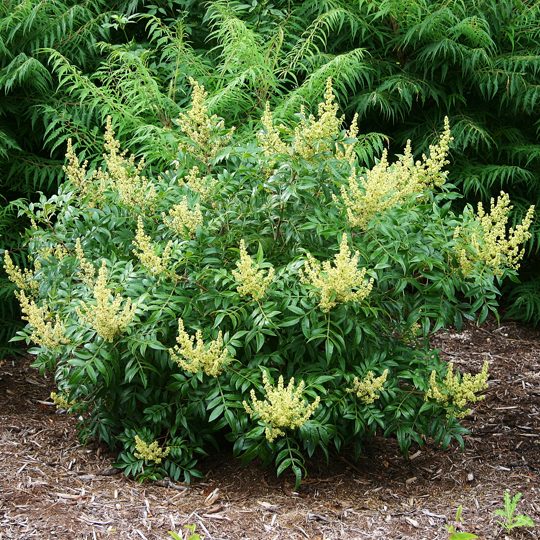
Rhus Sumac: A Structural Native Shrub for Dynamic Seasonal Interest
Rhus sumac, specifically the cultivar Rhus copallinum 'Prairie Flame' (also known as Shining Sumac), is a durable deciduous shrub available at our Mundelein nursery. For homeowners in Lake Forest or Libertyville looking to add a hardy, native plant with exceptional autumn color and a colonizing growth habit to their properties, this species is a functional choice. Its ability to grow in poor soils and its resilience in the face of Midwest temperature fluctuations make it a steady performer in any North Suburb garden where naturalized screening and structural variety are the primary goals.
Performance in Northern Illinois Soil
This genus is hardy in our Zone 5b climate and is a representative selection for Midwest embankments, large-scale borders, and restoration projects. While many ornamental shrubs struggle with the heavy, unyielding clay found throughout the region, the rhus sumac grows well in it, provided the site is well-drained. It is successful in the open, often wind-exposed landscapes of Libertyville, where its vigorous root system can anchor firmly in diverse soil textures. In Lake Forest, these plants act as a durable architectural staple, emerging with glossy, dark green pinnate leaves in the late spring that provide a lush, textured presence throughout the summer months.
Size, Spacing, and Growth Habit
Planning for the mounded and spreading nature of this shrub ensures it provides the intended visual mass without encroaching on formal garden areas or requiring excessive management to stay within its designated bounds:
-
Average Height: The 'Prairie Flame' cultivar is a more compact selection than the straight species, typically reaching 5 to 7 feet tall.
-
Average Width: Most mature specimens develop a footprint spanning 6 to 10 feet wide, often featuring an upright-spreading, multi-stemmed silhouette.
-
Growth Habit: This plant naturally produces suckers from the roots, allowing it to form colonies or "thickets" over time. This is a mechanical necessity for stabilizing soil on slopes.
-
Spacing Requirements: To create a solid naturalized screen or a continuous mass planting, space plants 5 to 8 feet apart from center to center. This allows for the natural expansion of the colony while ensuring individual plants have enough light to maintain dense foliage.
Characteristics of Rhus Sumac
In the North Suburbs, this group of shrubs serves as a source of seasonal transitions and functional landscape support, addressing several specific gardening requirements:
-
High-Gloss Summer Foliage: The 'Prairie Flame' variety is noted for its "shining" leaves, which have a lustrous, waxy finish. This characteristic is commonly utilized to provide a reflective, bright element in full-sun garden beds.
-
Exceptional Autumn Color: As the name implies, the plant is famous for its fall transition. The leaves turn a brilliant, fiery scarlet to orange-red. This color is commonly recognized as some of the most intense in the Midwest landscape.
-
Inconspicuous Summer Flowers: In July and August, the plant produces greenish-yellow flower panicles. While not as showy as other flowering shrubs, they provide a source of nectar for bees and butterflies during the height of summer.
-
Persistent Fruit Clusters: Following the flowers, female plants produce clusters of small red berries (drupes) that persist into the winter. These serve as a supplementary food source for local birds like robins and bluebirds when other food is scarce.
-
Durable Root Systems: The suckering habit of the sumac makes it a practical choice for erosion control on steep banks or for filling in large, difficult-to-mow areas of a property.
Planting and Maintenance Advice
To ensure your shrub remains healthy and produces a prolific amount of autumn color each year, follow these straightforward care steps:
-
Full Sun Exposure: This is the most critical factor for both the glossy appearance of the leaves and the intensity of the fall color. While rhus can grow in partial shade, the growth habit will be much more open and the autumn transition will be less dramatic. Provide at least 6 to 8 hours of direct light.
-
Pruning for Control: Because the plant spreads via underground runners, a practical maintenance strategy is to mow or prune away unwanted suckers at the base of the colony once a year. This keeps the plant within its intended boundaries in a residential setting.
-
Soil and Drainage: While it is adaptable to clay, the plant will not tolerate stagnant, standing water. In our heavy clay soil, ensure the planting site is well-drained. Proper drainage is a mechanical necessity to prevent root issues.
-
Drought Tolerance: Once the root system is established, typically by the second or third growing season, this shrub is remarkably drought-tolerant. It maintains its foliage well during the dry weeks of August with minimal supplemental irrigation.
-
Minimal Fertilization: It grows best in average-to-poor soil and does not require heavy feeding. In fact, overly rich soil can lead to excessive, weak growth that is prone to breakage.
Frequently Asked Questions (Lake County Edition)
Is this the same as Poison Sumac?
No. Poison Sumac (Toxicodendron vernix) has white berries and typically grows only in very wet, swampy areas. Rhus copallinum and other ornamental sumacs have red berries and are safe to handle and plant in residential landscapes.
Why is my sumac spreading into the lawn?
This is the natural colonizing habit of the plant. A practical solution is to simply mow over the small suckers that emerge in the turf area, which effectively stops the spread into the lawn while allowing the main shrub to thrive in the garden bed.
Visit The Country Bumpkin Garden Center
We are located at the corner of Gilmer Rd & Hawley St in Mundelein. Stop by to see the unique glossy texture and experience the structural presence of rhus sumac in person and find the right fit for your landscape. We are a local resource for gardeners across Mundelein, Lake Forest, Libertyville, and the surrounding communities.
Call (847) 566-2176 or Send a Message to check current availability.
Varieties: Prairie Flame
See: Shrubs and Roses
Category: Sun Perennials - Sun Plants - Sunny Plants - Shrubs - Deciduous Shrubs - Sumac near me - Rhus