red cedar juniper
Juniperus Virginiana 'Taylor'
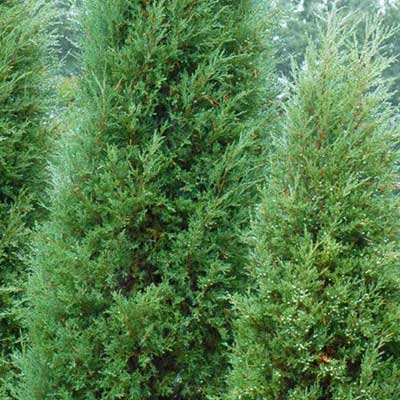
Red Cedar Juniper: The Refined Columnar Standard for Illinois Landscapes
Red cedar juniper (Juniperus virginiana 'Taylor'), a needle-bearing evergreen tree in the Cupressaceae family, is a centerpiece for Midwest landscapes available at our Mundelein nursery. Discovered in Taylor, Nebraska, this cultivar is a selection of the native Eastern Red Cedar, specifically chosen for its remarkably narrow, columnar form that mimics the appearance of the Italian Cypress. For homeowners in Mundelein or Libertyville looking to add a reliable year-round vertical element and a sturdy architectural presence to their properties, this tree is a practical choice. Its ability to maintain a tight, upright habit and its natural resilience to the fluctuating temperatures of the North Suburb climate make it a steady performer in any garden where functional screening and sophisticated design are the primary goals.
Performance in Northern Illinois Soil
This cultivar is exceptionally hardy in our Zone 5b climate and is a representative selection for residential landscapes throughout the region. While many upright evergreens struggle with the heavy, unyielding clay and variable moisture levels found throughout Lake County, the red cedar juniper grows well in them, provided the site is well-drained. It is successful in the managed landscapes of Libertyville, where its root system can anchor firmly in amended, mulched soil. In Mundelein, these trees act as a durable architectural staple, providing a lush, silvery-green backdrop that remains consistent even when surrounding deciduous plants have entered dormancy for the winter.
Size, Spacing, and Growth Habit
Planning for the mature dimensions and vertical nature of this tree ensures it provides the intended visual impact without requiring excessive maintenance or encroaching on structures.
-
Mature Height: Under typical Illinois garden conditions, the red cedar juniper typically reaches 15 to 20 feet tall. Its height makes it a functional tool for blocking second-story sightlines or framing entryways.
-
Mature Width: Remarkably narrow, the canopy spread typically spans only 3 to 4 feet wide, maintaining a dense, formal, and strictly upright silhouette.
-
Growth Rate: This tree is commonly known for a moderate growth rate, often adding 6 to 12 inches of new height per year once established. This allows it to reach a functional screening size within a few growing seasons.
-
Foliage Habit: The needles are fine and scale-like, appearing in a soft, silvery-green hue during the spring and summer. This creates a high-impact texture that is far more refined than the coarser needles of larger spruce or pine species.
-
Spacing Requirements: To ensure proper light penetration and airflow—which is essential for maintaining foliage density near the ground—space individual trees 3 to 5 feet apart from center to center. This distance is commonly utilized to create a productive and seamless living wall or privacy screen.
Environmental Requirements
Understanding the site-specific needs of the red cedar juniper is a key step for ensuring its health and longevity in a residential setting.
-
Sun Exposure: Full sun is a primary requirement for this cultivar. While it can survive in very light shade, maximum sun exposure is essential for maintaining the tight, columnar form and preventing the branches from becoming sparse or "leggy."
-
Moisture Needs: Once established, this tree is commonly noted for its excellent drought tolerance. It does not thrive in soggy, poorly drained soils. Providing well-drained soil is a standard requirement for success.
-
Wind Resistance: Due to its narrow profile and flexible branches, it is a sturdy selection that handles the wind well, making it a functional choice for exposed sites or windbreaks.
-
Soil Chemistry: This tree is commonly adaptable to a wide range of soil pH levels and is notably tolerant of the alkaline conditions often found in Lake County.
Landscape Characteristics
In the North Suburbs, this evergreen serves as a source of year-round interest and functional landscape support, addressing several specific gardening requirements:
-
Year-Round Color: The foliage maintains a consistent green hue through the growing season. In the winter, the red cedar juniper may take on a bronze or purple tint, which is a natural physiological response to the cold and provides a unique seasonal visual element.
-
Privacy and Screening: Because of its verticality and narrow width, it is a primary choice for creating living fences in tight spaces, such as between houses or along property lines.
-
Architectural Symmetry: The tree naturally maintains a very straight, formal shape with almost no pruning. This characteristic is commonly utilized to frame doorways, line driveways, or add a Mediterranean aesthetic to the Midwest garden.
-
Texture: The fine-textured foliage provides a sophisticated visual element that contrasts well with the broader leaves of shade trees or the coarse texture of brick and stone.
-
Low Maintenance: This tree is a low-maintenance selection. Its natural habit requires very little manual intervention to remain organized and productive.
Planting and Maintenance Advice
To ensure your tree remains healthy and maintains its dense foliage each year, follow these straightforward care steps:
-
Site Preparation: Dig a hole twice as wide as the root ball. Ensuring the top of the root ball is level with or slightly above the surrounding soil grade is a practical step to ensure healthy root respiration in clay-heavy soil.
-
Soil Amendments: Mixing compost or aged pine bark into the backfill soil is a practical strategy to improve drainage and encourage root expansion in our local clay.
-
Watering Routine: During the first two years of establishment, providing regular, deep watering—especially during dry spells in July and August—is a functional necessity. Once established, the red cedar juniper is remarkably water-efficient.
-
Mulching: Maintain a 3-inch layer of organic mulch around the root zone, keeping it several inches away from the trunk. This is a practical step to retain moisture and regulate soil temperature.
-
Sanitation: Removing any dead interior twigs in early spring is a practical strategy to improve airflow and keep the plant looking tidy.
Reliable Companion Plants for our Area
To create a functional, multi-layered environment, consider pairing your trees with other durable varieties from The Country Bumpkin:
-
Purple Coneflower or Black-eyed Susans provide a high-contrast color palette when planted in front of the green juniper columns.
-
The fine texture of Fountain Grass or Switchgrass complements the vertical structure of the juniper.
-
Planting Hydrangeas nearby provides a soft, rounded contrast to the sharp vertical lines of the red cedar juniper.
-
Red Tulips or yellow Daffodils provide an early pop of color against the consistent green backdrop.
Frequently Asked Questions (Lake County Edition)
Is the red cedar juniper deer resistant?
This cultivar is commonly cited for having good deer resistance. While no plant is entirely immune, the aromatic oils and texture of junipers are generally avoided by local deer populations.
How wide will it eventually get?
It is a practical step to plan for a mature width of about 3 to 4 feet. Because it stays so narrow, it is commonly used in areas where a traditional spruce or arborvitae would become too wide for the space.
Does it need to be pruned to keep its shape?
One of the functional benefits of the red cedar juniper is its natural habit. Pruning is commonly unnecessary, though light tipping can be done if a perfectly manicured look is desired.
Visit The Country Bumpkin Garden Center
We are located at the corner of Gilmer Rd & Hawley St in Mundelein. Stop by to see the sturdy structure and experience the potential of a red cedar juniper for your own garden and find the right fit for your landscape. We are a local resource for gardeners across Mundelein, Libertyville, and the surrounding communities.
Call (847) 566-2176 or Send a Message to check current availability.
Category: Evergreens - Red Cedar Juniper - Juniperus Virginiana Taylor