paperbark maple
Acer Griseum - Paperbark Maple
The Paperbark Maple: A Four-Season Specimen for the Illinois Landscape
The paperbark maple (Acer griseum) is a distinguished choice for homeowners in the Mundelein area who appreciate multi-season interest in a compact form. Native to central China but fully adapted to the Midwest climate, this slow-growing deciduous tree is prized for its ornamental bark and vibrant autumn display. For those in Lake County looking to add a focal point to a smaller yard or a sophisticated garden bed, the paperbark maple offers a unique texture and color that stands out even in the middle of winter.
Identifying Characteristics and Growth Habit
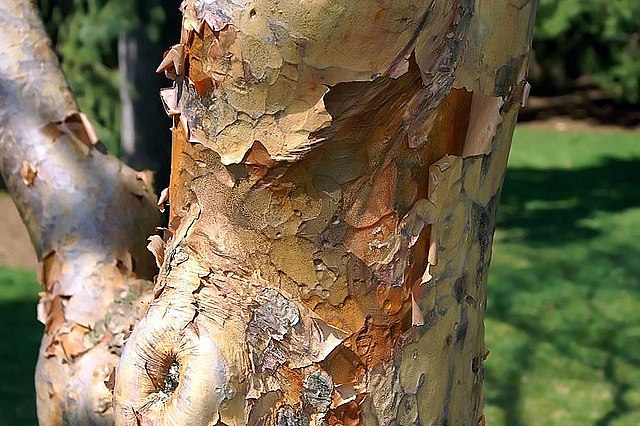
The defining feature of the paperbark maple is its exfoliating cinnamon-brown bark. As the tree matures, the outer bark peels away in thin, papery layers to reveal a smooth, reddish-orange surface underneath. This creates a striking visual effect that is especially prominent when the tree is dormant and its structure is highlighted against the winter snow. In towns like Libertyville and Vernon Hills, where winter interest is a key component of high-end landscape design, this maple is a top recommendation.
Throughout the spring and summer, the tree maintains a clean, upright habit. Its leaves are trifoliate (divided into three leaflets), with a dark green upper surface and a fuzzy, silvery-green underside. Because of its slow growth rate and relatively small stature, it is an excellent option for planting near patios, walkways, or in smaller residential lots where a massive shade tree might be overwhelming.
The Autumn Color Transition
The paperbark maple is one of the last maples to change color in the fall, often holding its green foliage well into October before beginning its transition. This late-season performance is ideal for extending the color palette in your garden after other species have already dropped their leaves.
-
Early Phase: The dark green leaflets begin to develop a muted bronze or copper hue along the margins.
-
Peak Phase: The canopy shifts into a mix of brilliant orange and scarlet red. Because the undersides of the leaves are slightly pubescent (fuzzy), the colors have a soft, matte quality that differs from the glossy red of an Autumn Blaze.
-
Late Phase: As the season concludes, the foliage often deepens into a rich burgundy or wine-red. Even after the leaves fall, the vibrant orange-red of the newly revealed bark ensures the tree remains a color contributor throughout the winter months in Grayslake.
Species Details
If you are planning to add one to your property, keep in mind that these trees require room to grow. They are best suited for areas where the canopy has plenty of space to branch out.
-
Size: They often reach 20 to 30 feet tall, with a canopy that spreads 15 to 25 feet wide.
-
Light Exposure: These trees perform best in full sun to partial shade.
-
Fruit & Flower: The flowers are small and inconspicuous, appearing in spring. They are followed by relatively large, winged samaras that provide a food source for local wildlife.
-
Fall Color: The foliage undergoes a transition in late autumn, turning brilliant shades of orange, red, and burgundy.
-
Watering: While the paperbark maple is resilient, it appreciates consistent moisture. During dry stretches in July, supplemental watering is recommended.
-
Fertilizer: Apply a balanced, slow-release fertilizer in the spring to assist with its development.
-
Pruning: Minimal pruning is required. It is best to remove dead or crossing branches in the winter while the tree is dormant.
Site Selection and Planting in Northern Illinois
Successful establishment depends on providing well-drained soil. While it is adaptable, it does not tolerate "wet feet" or standing water. In communities like Round Lake, where clay soil can impede drainage, planting the tree in a slightly elevated bed or ensuring the soil is amended with organic matter is beneficial.
Because it reaches a modest height, it is an ideal candidate for an "understory" tree or as a specimen in a mixed border. When planting in Hawthorn Woods, consider a location where the afternoon sun can hit the trunk, as this will highlight the peeling bark and make the cinnamon tones appear to glow.
Companion Plants for a Cohesive Design
To highlight the unique textures and colors of the paperbark maple, consider these additions:
-
Coral Bells (Heuchera): The colorful foliage of various Heuchera varieties adds texture and interest at the base of the tree.
-
Hellebores (Lenten Rose): These early bloomers provide interest in late winter, timing their flowers with the visibility of the maple's bark.
-
Japanese Forest Grass: The soft, arching blades of this grass contrast with the upright, peeling trunk of the maple.
The paperbark maple is a consistent performer for the unique Illinois climate. Whether you are enhancing a patio in Wauconda or adding a focal point to a front yard, this species provides the texture and reliability required for a long-lasting landscape.
Image: David J. Stang licensed under CC BY-SA 4.0
Category: Trees - Paperbark Maple near me - Acer Griseum - Maple trees
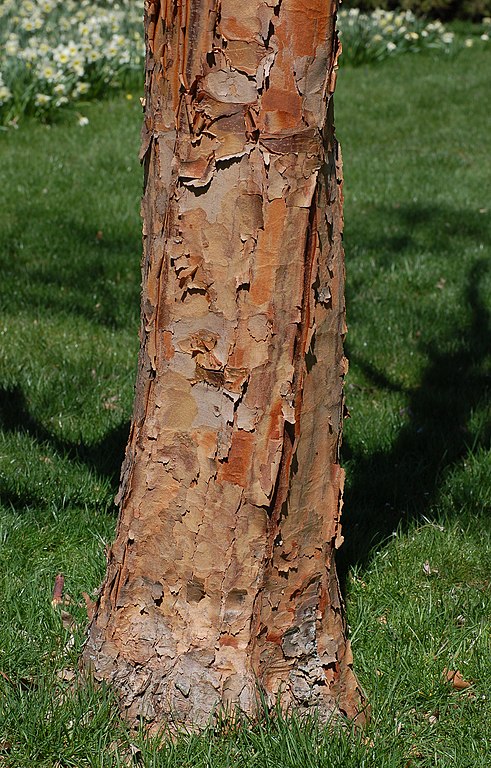
Photo by and (c)2007 Derek Ramsey (Ram-Man). Location credit to the Chanticleer Garden., CC BY-SA 3.0 <http://creativecommons.org/licenses/by-sa/3.0/>, via Wikimedia Commons