obedient plant
Physostegia Virginiana
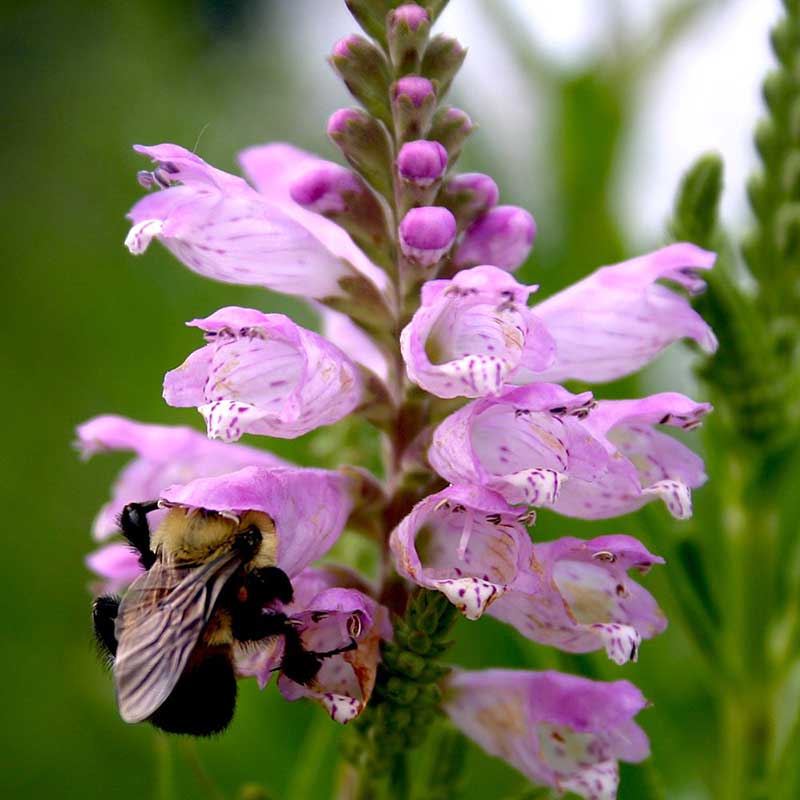
Obedient Plant: The Architectural Late-Summer Marvel of Lake County
Physostegia virginiana, commonly known as the obedient plant, is a unique and structurally fascinating native perennial that we offer at our Mundelein nursery. For homeowners in Mettawa or Volo looking to add a vertical explosion of snapdragon-like flowers in shades of pink, lavender, or crisp white, this plant is an essential choice. Its common name comes from the curious ability of individual flowers to stay in whatever position you push them, making it a premier performer in any North Suburb garden where botanical intrigue and late-season color are required.
Performance in Northern Illinois Soil
This perennial is exceptionally hardy in our Zone 5b climate and is a stalwart of the original Illinois prairie and stream banks. While many ornamental flowers struggle with the heavy, saturated clay typical of the region, the obedient plant thrives in it, provided the soil remains consistently moist. It is particularly successful in the low-lying or naturally damp properties of Volo, where its vigorous root system can spread through the soil and stabilize the earth. In Mettawa, these plants act as a reliable "summer-to-fall transition" focal point, emerging with sharp, serrated green foliage that remains attractive long before the flower spikes begin to open in August.
Size, Spacing, and Growth Habit
Planning for the upright and colonizing nature of this plant is key to successful garden management and preventing it from overwhelming smaller neighbors:
-
Average Height: Depending on the cultivar, the flower spikes typically reach 3 to 4 feet tall. Compact varieties like 'Miss Manners' stay much shorter at 18 to 24 inches.
-
Average Width: Each individual plant forms a clump that spans 18 to 24 inches wide, though the colony will continue to expand via underground rhizomes.
-
Spacing Requirements: To allow room for the spikes to develop without crowding, space plants 18 to 24 inches apart.
Why Obedient Plant is a Practical Local Choice
In the North Suburbs, this group of perennials serves as a reliable source of late-season drama and wildlife support, solving several specific gardening challenges:
-
Superior Late-Season Bloom: It provides a massive flush of color in August and September, bridging the gap between the fading summer flowers and the emergence of fall asters.
-
The Ultimate Hummingbird Magnet: The tubular flower shape is perfectly evolved for hummingbirds and long-tongued bees, making your garden a hub of activity.
-
Excellent Cut Flower: The rigid, square stems are incredibly durable in water, and the unique "obedient" nature of the blossoms allows you to custom-style your floral arrangements.
-
Deer and Rabbit Resistance: Because of the slightly bitter quality of the foliage, it is rarely targeted by local wildlife, making it a safe choice for properties near forest preserves.
Planting and Maintenance Advice
To ensure your plant remains a vibrant focal point and does not become overly enthusiastic in its spreading, follow these straightforward care steps:
-
Prioritize Full Sun: This is the most critical factor for stem strength. While it can handle light shade, the tall spikes will "flop" or lean toward the light if they do not receive 6 to 8 hours of direct sun.
-
Manage the Spread: Like many native mint relatives, it spreads via rhizomes. If you are planting in a small space, choose a well-behaved cultivar like 'Miss Manners' or plant it in a bottomless container sunk into the ground to contain the roots.
-
Consistent Moisture: It thrives in soil that stays damp. If the soil in your garden dries out completely during a July drought, the plant may wilt or lose its lower leaves.
-
Deadheading for Neatness: Once the flower spikes begin to fade, cut them back to the basal foliage. This prevents excessive self-seeding and keeps the plant looking tidy through the fall.
-
Division Frequency: Every 2 to 3 years, dig up the clump in early spring to remove the center and replant the outer, more vigorous shoots. This keeps the colony healthy and contained.
Frequently Asked Questions (Lake County Edition)
Is it actually "obedient"?
Yes! If you push an individual flower to the left or right, the temporary "locking" mechanism in the stem holds it in that position. It is a fantastic plant for children to interact with in the garden.
Will it take over my garden?
The native species can be aggressive in wet, rich soil. If you have a smaller urban garden, we highly recommend the 'Miss Manners' cultivar, which was specifically bred to stay in a neat, non-spreading clump.
Visit The Country Bumpkin Garden Center
We are located at the corner of Gilmer Rd & Hawley St in Mundelein. Stop by to see the incredible architecture of the obedient plant in person and find the right fit for your late-summer landscape. We are proud to be a local resource for gardeners across Mundelein, Volo, and the surrounding communities.
Call (847) 566-2176 or Send a Message to check current availability.
Varieties: Flower Pink, Flower White.
Image: Obedient Plant.
See: Perennials
Category: Sun Perennials - Sun Plants - Sunny Plants - Obedient plant near me - Physostegia virginiana