nemesia
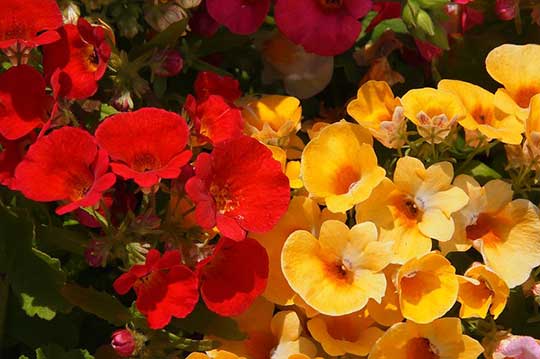
Enhancing Your Garden with Nemesia
Nemesia, a charming and prolific bloomer, is becoming an essential favorite for those looking to add vibrant color and delicate texture to their seasonal displays. Whether you are aiming to fill a decorative patio container or seeking a reliable border plant that offers a honey-like fragrance, incorporating Nemesia into your garden plan ensures a continuous blanket of blooms. These plants are celebrated for their unique, two-lipped flowers that resemble miniature orchids or snapdragons, providing a sophisticated look that remains approachable for gardeners of all skill levels.
Performance in Northern Illinois Soil
Local gardeners understand that the native soil in Lake County often consists of heavy, moisture-retentive clay. While this can be difficult for some species, Nemesia performs exceptionally well when provided with a bit of extra care in the preparation stage. In neighborhoods throughout Libertyville and Vernon Hills, where backyard gardens often feature these rich clay bases, amending your planting site with compost or high-quality potting soil is recommended to improve drainage. Because these plants prefer a slightly acidic to neutral pH, the nutrient-dense profile of our local soil supports their vigorous flowering habit as long as they aren't sitting in stagnant water.
Size, Spacing, and Growth Habit
Nemesia generally exhibits a compact, mounded growth habit that makes it incredibly tidy for structured landscapes. Most modern cultivars will reach a height of 10 to 14 inches with a similar spread.
-
Spacing: To maintain healthy airflow and prevent the foliage from becoming too dense, space individual plants approximately 8 to 10 inches apart.
-
Habit: These plants are known for their "filler" qualities. They branch out early in the season, creating a lush, green base that quickly becomes obscured by hundreds of small, jewel-toned blossoms.
Environmental Requirements
To achieve the best results in the Midwest, position your plants in an area that receives full sun to partial shade. In our specific climate, providing some afternoon relief from the intense summer sun can help prevent the plants from "stalling" during particularly hot spells. They require consistent moisture and do not like to dry out completely. If the soil surface feels dry to the touch, it is time for a deep watering. Mulching around the base can also help keep the root systems cool during the transition into the warmer months of June and July.
Landscape Characteristics
The visual versatility of Nemesia is one of its strongest attributes. The color range is extensive, featuring bicolor combinations of soft lavender, sunny yellow, bright orange, and pure white. Beyond the aesthetics, many varieties are prized for their scent, which becomes more pronounced in the early evening. In the landscape, they serve as excellent "scouts" for the season, often being among the first plants to show significant color in the spring and remaining resilient as the temperatures begin to dip in the early autumn.
Planting and Maintenance Advice
It is best to wait until the final frost has passed—typically after Mother’s Day in Mundelein—before putting these in the ground.
-
Fertilization: Apply a balanced, liquid fertilizer every two weeks to encourage the plant to produce new buds.
-
Trimming: If the plant begins to look a bit leggy or sparse after the initial flush of spring blooms, a light shearing (removing about one-third of the growth) will stimulate a fresh round of foliage and flowers for the late summer.
Reliable Companion Plants for our Area
Pairing Nemesia with other cool-weather and heat-tolerant staples creates a dynamic and professional-looking display. They coordinate beautifully with:
-
Osteospermum: The daisy-like flowers provide a sturdy structural contrast to the delicate nemesia blossoms.
-
Alyssum: For a cascading effect in containers that doubles down on sweet fragrances.
-
Heuchera: The bold, colorful foliage of Coral Bells provides a dramatic backdrop for the lighter texture of the flowering stalks.
Frequently Asked Questions
Is Nemesia a perennial?
In our Zone 5b/6a region, Nemesia is treated as a cool-weather annual. It provides incredible value through its long blooming season but will not survive a hard Illinois winter.
Why did my plant stop blooming in July?
Extreme heat can sometimes cause the plant to go dormant. If this happens, move containers to a shadier spot, keep the soil moist, and provide a light trim to encourage a second wind as the weather cools.
Visit The Country Bumpkin Garden Center
Are you ready to brighten your porch or garden beds with these versatile bloomers? We proudly serve the gardening communities of Wauconda and Lake Zurich, providing high-quality nursery stock and expert seasonal advice. Our team is always on hand to help you find the perfect color palette for your home.
Call (847) 566-2176 or Send a Message to check current availability.
See: Annuals
Category: Sun Annuals - Sun Plants - Sunny Plants - Nemesia near me