lupine
Lupinus - Lupine
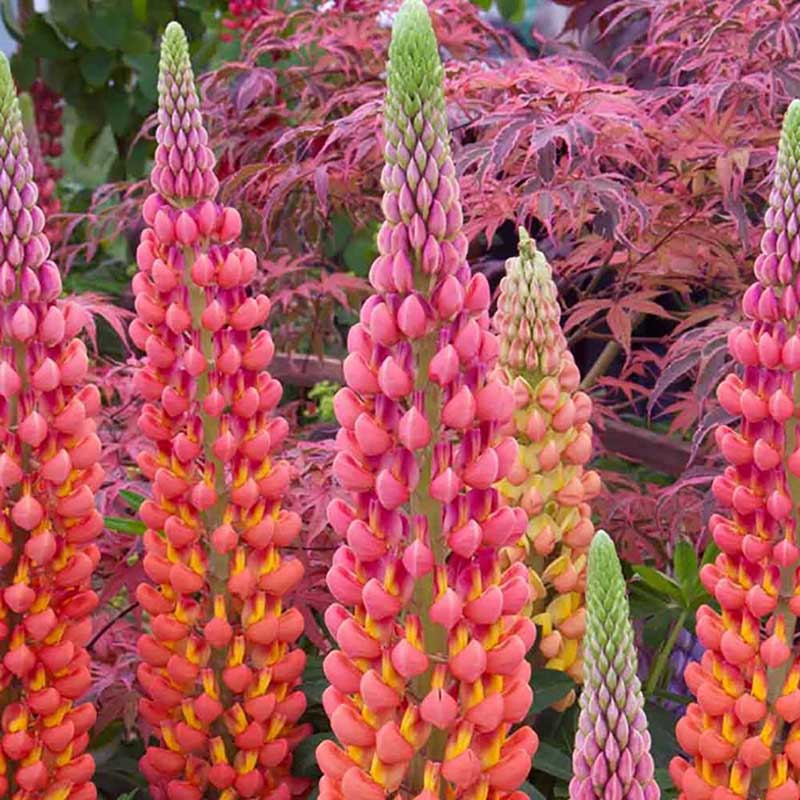
Lupine: The Majestic Spire of the Early Summer Garden
Lupinus, universally known as lupine, is the most architecturally striking early-summer perennial we offer at our Mundelein nursery. For homeowners in Grayslake or Green Oaks looking to add vertical drama and a vast palette of bicolor blooms to their landscapes, this plant is an essential choice. Its distinctive palmate foliage and towering spikes of pea-like flowers make it a premier performer in any North Suburb garden where high-impact color and a classic cottage-garden aesthetic are required.
Performance in Northern Illinois Soil
This perennial is remarkably hardy in our Zone 5b climate, though it has specific requirements for long-term success. While many ornamental flowers struggle with the heavy, alkaline clay found throughout the region, lupine prefers soil that is slightly acidic to neutral and exceptionally well-drained. It is particularly successful in the established garden beds of Green Oaks, where the soil has been enriched with organic matter over time. In Grayslake, these plants act as a spectacular "spring-to-summer transition" focal point, emerging with lush, fan-shaped leaves that thrive in the cool, bright days of a typical Illinois May.
Size, Spacing, and Growth Habit
Planning for the vertical and mounded habit of this plant ensures it maintains its structural integrity without being crowded out:
-
Average Height: Depending on the variety, the flower spikes typically reach 2 to 3 feet tall. Compact "Gallery" series varieties stay shorter at 14 to 18 inches.
-
Average Width: Each individual plant forms a sturdy, leafy mound spanning 12 to 18 inches wide.
-
Spacing Requirements: To ensure vital air circulation and prevent crown rot, space plants at least 18 inches apart.
Why Lupine is a Practical Local Choice
In the North Suburbs, this group of perennials serves as a reliable source of early-season verticality and nitrogen-fixing capability, solving several specific challenges:
-
Unmatched Color Depth: From deep blues and purples to vibrant bicolors like yellow-and-pink, the flower spikes provide a level of color saturation that is rare in the early garden.
-
Soil Improvement: As a member of the legume family, the plant naturally "fixes" nitrogen in the soil, improving the nutrient profile of your garden beds for neighboring plants.
-
Pollinator Powerhouse: The unique flower structure is a favorite for bumblebees, which are strong enough to trip the "keel" of the blossom to reach the nectar.
-
Distinctive Foliage: Even when not in bloom, the hand-shaped leaves provide a unique textural contrast to the spear-shaped or rounded leaves of other garden staples.
Planting and Maintenance Advice
To ensure your plant remains a vibrant focal point and survives our variable spring weather, follow these straightforward care steps:
-
Prioritize Drainage: This is the most critical factor. The plant features a long taproot that can rot easily if it sits in the heavy, saturated clay common in our area. Amending your planting hole with compost or grit is highly recommended.
-
Cool Roots are Happy Roots: These plants do not enjoy the sweltering heat of a late Illinois July. Applying a layer of mulch helps keep the root zone cool and moist.
-
Deadheading for Longevity: Once the main flower spike begins to fade, cut it back to the base. This often encourages the plant to produce smaller secondary spikes and prevents it from exhausting itself by producing seeds.
-
Avoid Transplanting: Because of the deep taproot, it is best to choose a permanent location. They do not move well once they have become established in your garden.
-
Watch for Aphids: In early June, keep an eye out for large grey aphids that can congregate on the flower stalks. A strong blast of water from the hose is usually enough to manage them.
Frequently Asked Questions (Lake County Edition)
Is it a long-lived perennial?
In our area, they are often considered "short-lived" perennials, typically lasting 3 to 5 years. However, they often self-seed, providing you with a fresh generation of plants to keep the display going.
Why did mine disappear in August?
If the summer is exceptionally hot and dry, the plant may go into a semi-dormancy. Keep the area mulched and watered, and it will likely return with fresh foliage when the temperatures cool in the fall.
Visit The Country Bumpkin Garden Center
We are located at the corner of Gilmer Rd & Hawley St in Mundelein. Stop by to see the incredible variety of lupine colors we carry and find the right fit for your early-summer landscape. We are proud to be a local resource for gardeners across Mundelein, Grayslake, and the surrounding communities.
Call (847) 566-2176 or Send a Message to check current availability.
Varieties: Persian Slipper, Red Rum, Terra Cota.
Image: Lupinus polyphyllus ‘Terracotta’
See: Perennials
Category: Sun Perennials - Sun Plants - Sunny Plants - Lupine near me - Lupinus