itea virginica
Itea Sweetspire - Virginia Sweetspire - Virginia Sweet Spire
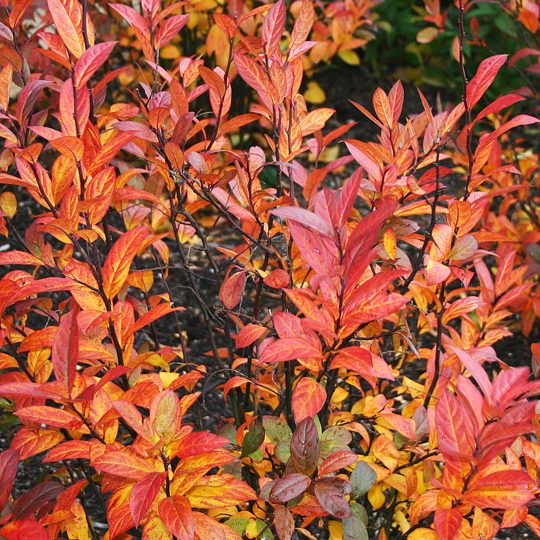
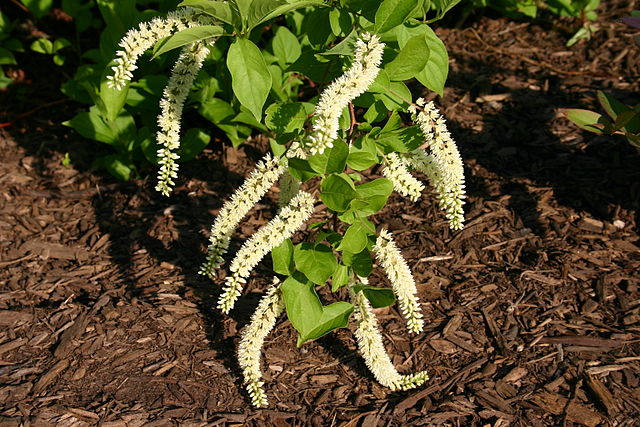
Image: I, SB Johnny, CC BY-SA 3.0
Itea Sweetspire: A Fragrant Native Shrub for Sun or Shade
Itea sweetspire (Itea virginica), a deciduous native shrub in the Iteaceae family, is a durable woody plant available at our Mundelein nursery. For homeowners in Mundelein or Mettawa looking to add a versatile, pollinator-friendly presence to their landscapes, this species is a functional choice. Its ability to grow in both saturated soils and dry shade, combined with its dramatic seasonal color transitions, makes it a steady performer in any North Suburb garden where reliability and multi-seasonal interest are the primary goals.
Performance in Northern Illinois Soil
This species is hardy in our Zone 5b climate and is a representative selection for Midwest rain gardens, woodland edges, and mixed shrub borders. While many ornamental shrubs struggle with the heavy, unyielding clay found throughout the region, the Itea sweetspire grows well in it, demonstrating a particular tolerance for moisture-retentive soils that might discourage other species. It is successful in the low-lying, water-receptive landscapes of Mettawa, where its root system can anchor firmly in damp earth. In Mundelein, these plants act as a durable architectural staple, emerging with glossy, dark green elliptical leaves in late spring that provide a lush, clean backdrop for the garden throughout the summer months.
Size, Spacing, and Growth Habit
Planning for the mounded and arching nature of this shrub ensures it provides the intended visual mass without requiring excessive maintenance or encroaching on neighboring perennials:
-
Average Height: Depending on the cultivar, the height typically ranges from 3 to 5 feet tall. Compact varieties like 'Little Henry' often stay near the lower end of this range.
-
Average Width: Most mature specimens develop a footprint spanning 4 to 6 feet wide, often featuring a multi-stemmed, suckering habit that allows the plant to spread slowly over time.
-
Spacing Requirements: To create a solid flowering hedge or a continuous erosion-control mass, space plants 3 to 4 feet apart. This allows the arching branches to mingle while maintaining enough airflow to keep the interior foliage healthy.
Characteristics of Itea Sweetspire
In the North Suburbs, this group of shrubs serves as a source of seasonal interest and functional landscape support, addressing several specific gardening requirements:
-
Fragrant Summer Blooms: In June and July, the plant produces drooping, cylindrical spikes of tiny white flowers. This characteristic is commonly utilized to provide a soft, cascading texture and a pleasant fragrance during the mid-summer months.
-
Intense Autumn Foliage: Perhaps the most notable trait is its fall color. The leaves transition from green to brilliant shades of scarlet, garnet, and deep purple. These colors often persist late into the season, sometimes lasting until early December in Lake County.
-
Tolerance for Variable Light: It is one of the few shrubs that can bloom and provide vibrant fall color in both full sun and partial shade. While the autumn color is more intense in sunnier spots, the plant remains functional and healthy in woodland settings.
-
Pollinator and Wildlife Value: The nectar-rich flowers are highly attractive to bees and butterflies. Because it is a native species, it is a functional choice for the homeowner looking to support local ecology.
-
Erosion Control: The plant’s tendency to produce underground suckers makes it a practical choice for stabilizing banks or filling in large areas where soil movement is a concern.
Planting and Maintenance Advice
To ensure your shrub remains healthy and produces a prolific amount of flowers each year, follow these straightforward care steps:
-
Light Adaptability: Itea sweetspire can be grown in full sun to heavy shade. In our region, if planted in a very sun-drenched spot, it requires consistent moisture to prevent leaf scorch during the dry weeks of August.
-
Prioritize Soil Moisture: While established plants can handle some drought, this shrub thrives in moist to wet soils. It is a functional choice for low spots in the yard or near downspouts where water naturally collects.
-
Pruning Timing: This shrub blooms on "old wood" (growth from the previous season). To avoid cutting off the flower buds, any significant pruning or thinning should be done immediately after the flowers fade in the summer.
-
Managing Suckers: If you prefer a tidy, single specimen in a formal border, simply prune away any unwanted suckers at the base of the plant once a year in early spring. In naturalized areas, these suckers can be left to allow the plant to colonize the space.
-
Soil pH and Organic Matter: While adaptable to our Illinois clay, it prefers slightly acidic to neutral soils. Amending the planting site with compost or leaf mold is a practical way to manage soil texture and acidity.
Frequently Asked Questions (Lake County Edition)
Why isn't my plant turning red in the fall?
Fall color is most intense when the plant receives at least a few hours of direct sunlight. If your Itea is in deep, heavy shade, the leaves may turn a more muted yellow or orange rather than the characteristic deep scarlet.
Is it deer resistant?
While no plant is completely deer-proof, Itea is commonly passed over by deer in favor of other species. It is a practical choice for properties that experience moderate wildlife pressure.
Visit The Country Bumpkin Garden Center
We are located at the corner of Gilmer Rd & Hawley St in Mundelein. Stop by to see the various cultivars of Itea sweetspire in person—from the classic 'Henry's Garnet' to the compact 'Little Henry'—and find the right fit for your sun or shade landscape. We are a local resource for gardeners across Mundelein, Mettawa, and the surrounding communities.
Call (847) 566-2176 or Send a Message to check current availability.
See: Shrubs and Roses
Category: Sun Perennials - Sun Plants - Sunny Plants - Shrubs - Deciduous Shrubs - Sweetspire near me - Itea