hardy kiwi
Actinidia Arguta - Cocktail Kiwi - Hardy Kiwi - Dessert Kiwi
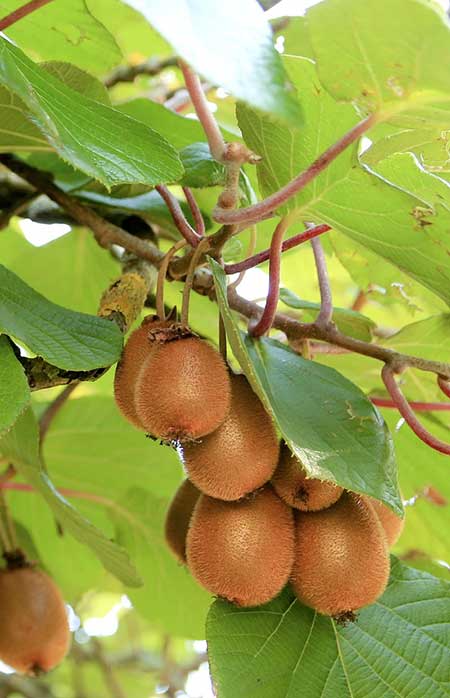
Hardy Kiwi: A Vigorous Fruiting Vine for the Illinois Landscape
Hardy Kiwi (Actinidia arguta), a deciduous perennial vine in the Actinidiaceae family, is a versatile landscape element available at our Mundelein nursery. For homeowners in Wauconda or Wildwood looking to add vertical interest and a reliable source of homegrown fruit to their properties, this species is a functional choice. Its ability to withstand the cold temperatures of the Midwest and its rapid growth habit make it a steady performer in any North Suburb garden where functional screening and edible landscaping are the primary goals.
Performance in Northern Illinois Soil
This species is hardy in our Zone 5b climate and is a representative selection for Midwest backyard orchards, pergolas, and structural fences. While many exotic fruiting plants struggle with the heavy, unyielding clay and intense winter freezes found throughout the region, the hardy kiwi grows well in it, provided the site is well-drained and the soil is enriched with organic matter. It is successful in the open, sun-drenched landscapes of Wildwood, where its vigorous root system can anchor firmly to support its heavy, twining vines. In Wauconda, these plants act as a durable architectural staple, emerging with heart-shaped, dark green leaves in the spring that provide a lush, opaque screen throughout the summer months.
Size, Spacing, and Growth Habit
Planning for the vigorous and sprawling nature of this vine ensures it provides the intended visual coverage and fruit production without overwhelming neighboring structures or requiring excessive corrective pruning:
-
Average Height/Length: Under optimal conditions, the vines typically reach 20 to 30 feet long. They require a sturdy support system to manage this vertical or horizontal reach.
-
Average Width: The spread of the foliage can span 5 to 10 feet wide depending on the pruning method and the strength of the trellis or fence.
-
Growth Rate: This vine is recognized for its rapid growth, often putting on 5 to 10 feet of new wood in a single growing season once established.
-
Spacing Requirements: For a continuous screen along a fence, space plants 8 to 12 feet apart. This allows each plant enough room to develop a productive lateral framework without excessive crowding.
Pollination and Compatibility
Understanding the reproductive biology of the hardy kiwi is a mechanical necessity for successful fruit production. This species is commonly dioecious, meaning that individual plants are either male or female.
-
The Pollination Process: To obtain a harvest, pollen from a male plant must be transferred to the flowers of a female plant by wind or, more effectively, by bees and other pollinators. A single male plant is commonly sufficient to pollinate up to six or eight female plants, provided they are planted within roughly 50 feet of one another.
-
Compatible Pollinators: Female cultivars such as 'Issai' (which is partially self-fertile but produces better with a partner), 'Anna' (Ananasnaya), or 'Geneva' must be paired with a compatible male Actinidia arguta pollinator. The male plant does not produce fruit but provides the essential pollen required for the female vines to develop their grape-sized, smooth-skinned berries.
-
Self-Fertile Exceptions: While most varieties require a pair, some cultivars like 'Issai' are commonly utilized in smaller gardens because they can produce fruit without a separate male, though the fruit size and yield are generally higher when cross-pollination occurs.
Characteristics of Hardy Kiwi
In the North Suburbs, this vine serves as a source of seasonal interest and functional landscape support, addressing several specific gardening requirements:
-
Edible Fruit Production: Unlike the fuzzy kiwi found in grocery stores, the fruit of the hardy kiwi is the size of a large grape and has a smooth, edible skin. This characteristic is commonly utilized by home gardeners who want a high-yield fruit crop that does not require peeling.
-
Dense Summer Privacy: The large, overlapping leaves create a solid wall of green. This is a functional benefit for homeowners looking to block views from neighbors or hide unsightly utility structures.
-
Fragrant Spring Flowers: In late May or June, the vine produces small, white-to-cream flowers. While they are often tucked behind the foliage, they release a light fragrance that adds a sensory element to the garden.
-
Lustrous Foliage: The leaves are often a deep, glossy green with red petioles (leaf stems), providing a clean and professional appearance throughout the growing season.
-
Winter Structural Interest: The thick, woody trunks of mature vines develop a rugged, twisted appearance that provides a structural element against the winter sky once the leaves drop.
Planting and Maintenance Advice
To ensure your vine remains healthy and produces a prolific amount of fruit each year, follow these straightforward care steps:
-
Full Sun Exposure: This is the most critical factor for fruit ripening and sugar content. Hardy kiwi requires at least 6 to 8 hours of direct light daily. In partial shade, the vine will still grow vigorously but will produce significantly fewer fruits.
-
Sturdy Support System: Because of the weight of the vines and the potential fruit load, a heavy-duty trellis, pergola, or chain-link fence is a mechanical necessity. Flimsy structures will eventually buckle under the weight of a mature vine.
-
Pruning for Fruit: Pruning is a functional necessity to keep the vine manageable and productive. Perform heavy pruning in late winter while the plant is dormant, removing old wood and thinning the lateral branches to allow light into the center of the vine.
-
Soil and Drainage: While adaptable to clay, the plant will not tolerate stagnant, standing water. In our heavy clay soil, ensure the planting site is well-drained. Elevating the planting area slightly is a practical strategy to prevent root rot.
-
Consistent Moisture: During the dry weeks of August, regular supplemental irrigation is a functional necessity. Drought stress can cause the fruit to drop prematurely or the leaves to scorch at the edges.
Frequently Asked Questions (Lake County Edition)
How long until I get fruit?
Hardy kiwi vines are long-lived but take time to establish. You can commonly expect your first harvest three to five years after planting, depending on the age of the plant at purchase and the quality of the site.
Will the winter kill my vine?
While the roots and wood are hardy to Zone 4 or 5, a late spring frost can sometimes damage the emerging flower buds. Planting the vine in a slightly sheltered location can help protect the early blossoms from sudden temperature drops in May.
Visit The Country Bumpkin Garden Center
We are located at the corner of Gilmer Rd & Hawley St in Mundelein. Stop by to see the vigorous growth and experience the structural presence of hardy kiwi in person and find the right fit for your landscape. We are a local resource for gardeners across Mundelein, Wauconda, Wildwood, and the surrounding communities.
Call (847) 566-2176 or Send a Message to check current availability.
Category: Fruit Plants - Hardy Kiwi near me - Actinidia Arguta Prolific