hamamelis
Witch Hazel - Hybrid Witch Hazel - Hamamelis
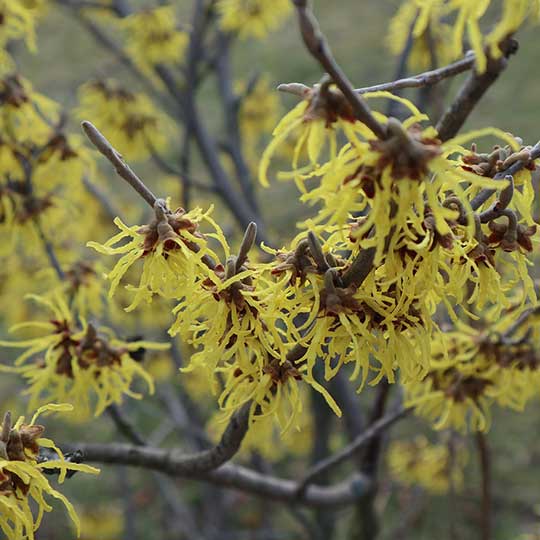
Hamamelis Witch Hazel: A Multi-Seasonal Shrub for the Illinois Landscape
Hamamelis witch hazel, a genus of deciduous shrubs and small trees in the Hamamelidaceae family, is a durable woody plant available at our Mundelein nursery. For homeowners in Lake Bluff or Lake Villa looking to add late-winter or late-autumn interest and a sturdy, structural presence to their landscapes, this genus is a functional choice. Its ability to bloom during the coldest months of the year and its resilience in various soil moisture levels make it a steady performer in any North Suburb garden where seasonal transitions and architectural variety are the primary goals.
Performance in Northern Illinois Soil
This genus is hardy in our Zone 5b climate and is a representative selection for Midwest woodland edges, mixed borders, and large residential properties. While many ornamental shrubs struggle with the heavy, unyielding clay found throughout the region, the hamamelis witch hazel grows well in it, provided the site is rich in organic matter and maintains consistent moisture. It is successful in the sheltered, partially shaded landscapes of Lake Villa, where its root system can anchor firmly in cool soil. In Lake Bluff, these plants act as a durable architectural staple, emerging with distinctive, strap-like flowers that provide a rare source of color and fragrance when the rest of the landscape is largely dormant.
Size, Spacing, and Growth Habit
Planning for the expansive and often vase-shaped nature of this shrub ensures it provides the intended visual mass without requiring excessive pruning to stay within its designated bounds:
-
Average Height: Depending on the species and cultivar, height can vary from 10 to 20 feet tall. The native Common Witch Hazel (Hamamelis virginiana) tends to reach the upper end of that range.
-
Average Width: Most mature specimens develop a footprint spanning 10 to 20 feet wide, often with a wide-spreading, multi-stemmed habit.
-
Spacing Requirements: To create a solid naturalized screen or a continuous woodland border, space plants 12 to 15 feet apart. For individual specimen planting, leave a gap of at least 10 feet from the mature width of neighboring structures to allow the horizontal branching room to expand naturally.
Characteristics of Witch Hazel
In the North Suburbs, this group of shrubs serves as a source of seasonal transitions and functional landscape support, addressing several specific gardening requirements:
-
Unique Winter or Autumn Blooms: Depending on the species, witch hazel produces clusters of crinkled, ribbon-like petals in shades of yellow, orange, or copper-red. H. virginiana blooms in October and November, while H. vernalis and hybrid varieties (H. x intermedia) bloom in late winter, often through the snow.
-
Aromatic Presence: The flowers release a spicy, citrus-like fragrance. This characteristic is commonly utilized to add a sensory element to the garden near entryways or walkways where the scent can be appreciated during the winter months.
-
Exceptional Autumn Foliage: One of the plant's strongest attributes is its fall color. The large, wavy-edged leaves transition from a deep green to brilliant shades of gold and orange, often remaining on the branches for several weeks.
-
Wildlife Support: As a native or naturalized species, it provides cover for birds and is a host plant for several species of moths. The late-winter blooming varieties provide an early nectar source for emerging insects during the first warm days of the year.
-
Architectural Form: The plants develop a strong, woody framework that provides a structural silhouette in the winter landscape, even after the leaves and flowers have dropped.
Planting and Maintenance Advice
To ensure your shrub remains healthy and produces a prolific amount of flowers each year, follow these straightforward care steps:
-
Light Exposure: Witch hazel is adaptable to light. While it grows well in full sun, it is particularly valued for its ability to thrive and bloom in partial shade. In our region, protection from the intense afternoon sun can help prevent leaf scorch during a dry August.
-
Prioritize Soil Moisture: These plants do not tolerate drought well. They are a functional choice for moist woodland edges or near water features. If planted in a standard border, regular supplemental irrigation is necessary during the summer months to keep the root zone cool.
-
Pruning for Shape: Pruning is rarely necessary except to remove dead or crossing branches. If you must prune to manage size, do so immediately after the flowers fade. For winter-blooming types, this means pruning in early spring; for autumn-blooming types, prune in late autumn or winter.
-
Managing Suckers: Many grafted varieties of witch hazel may produce suckers—vigorous shoots growing from the rootstock. It is a practical maintenance step to prune these away at ground level to ensure the desired cultivar remains the dominant part of the plant.
-
Soil pH and Organic Matter: While adaptable to clay, they prefer slightly acidic to neutral soils. Amending the planting site with compost or leaf mold is a practical way to manage the soil texture and nutrient levels in our Illinois landscape.
Frequently Asked Questions (Lake County Edition)
Why aren't my flowers opening?
Witch hazel petals have a unique defense mechanism: they curl up during extreme cold to protect themselves and unfurl on warmer, sunny days. This allowing them to survive fluctuating temperatures and bloom for several weeks.
Is it the source of the medicinal witch hazel?
Yes. An extract is distilled from the bark and twigs of Hamamelis virginiana. While gardeners value it for its ornamental beauty, it remains a staple in the production of astringents and skin care products.
Visit The Country Bumpkin Garden Center
We are located at the corner of Gilmer Rd & Hawley St in Mundelein. Stop by to see the various species and flower colors of hamamelis witch hazel in person—from the autumn-blooming native to the winter-blooming 'Arnold Promise'—and find the right fit for your landscape. We are a local resource for gardeners across Mundelein, Lake Bluff, and the surrounding communities.
Call (847) 566-2176 or Send a Message to check current availability.
Varieties: Red
See: Shrubs and Roses
Category: Sun Perennials - Sun Plants - Sunny Plants - Shrubs - Deciduous Shrubs - Witch Hazel near me - Hamamelis